Mizoram
Mizoram is one of eight sister states in northeast India. Discover all the charm of this destination.
Mizoram is one of eight sister states in northeast India. Discover all the charm of this destination.
Endless chains of hills, the emerald waters of Palak Dil lake, the tribal village of Reiek, the wild jungle of Phawngpui National Park… The state of Mizoram openly showcases its tourism calling, with two major offerings: green tourism and cultural tourism. Home to just 1.3 million inhabitants, this deeply rural territory is the smallest of India's northeast sister states. Pure mountain air, journeys through dense bamboo forests, and encounters with tribal civilizations are compelling reasons to visit. Don't wait another moment to book your flight to Mizoram, "the abode of the hill people".
History
To our knowledge, no manuscript reliably documents the founding history of Mizoram. In their travel journals, British authors referred to the Mizo people as "Cucis" or "Kukis." The most credible hypothesis suggests that the Mizo originated from neighboring lands and arrived in the territory through waves of immigration beginning in the sixteenth century.
Before the advent of the British colonial regime, Mizoram was governed by customary chiefdoms. Tribal leaders were chosen for their age, wisdom, and prowess in war. To assert their power, men engaged in brutal practices: they raided neighboring tribes, seized livestock, captured women and children, and beheaded defeated warriors, displaying their heads at the village entrance as a sign of pride.
The Mizo hills entered British Indian territory from 1895 onward. English occupation prompted sustained evangelization campaigns, with most tribal leaders embracing Christianity.
Today
Until 1972, Mizoram was administratively attached to Assam. It then became a Union Territory of India. Only in 1987 was it granted the status of a full-fledged Indian state.
Mizoram's capital and largest city is Aizawl, which had approximately 1.116 million inhabitants in 2011. The proportion of literate adults is the highest in India after Kerala. Subsistence agriculture remains the cornerstone of the economy. Slash-and-burn farming practices have gradually been abandoned in favor of horticulture and bamboo cultivation. As you travel through the region, you'll delight in crossing verdant fields along valleys interspersed with lakes and rivers. Ecotourism, farmstays, and adventure trekking are the flagship tourism products of this small state.
Points of Interest
Just one day in Mizoram, and you'll agree the state boasts multiple attractions: natural, religious, and cultural treasures.
Cultural and Religious Heritage
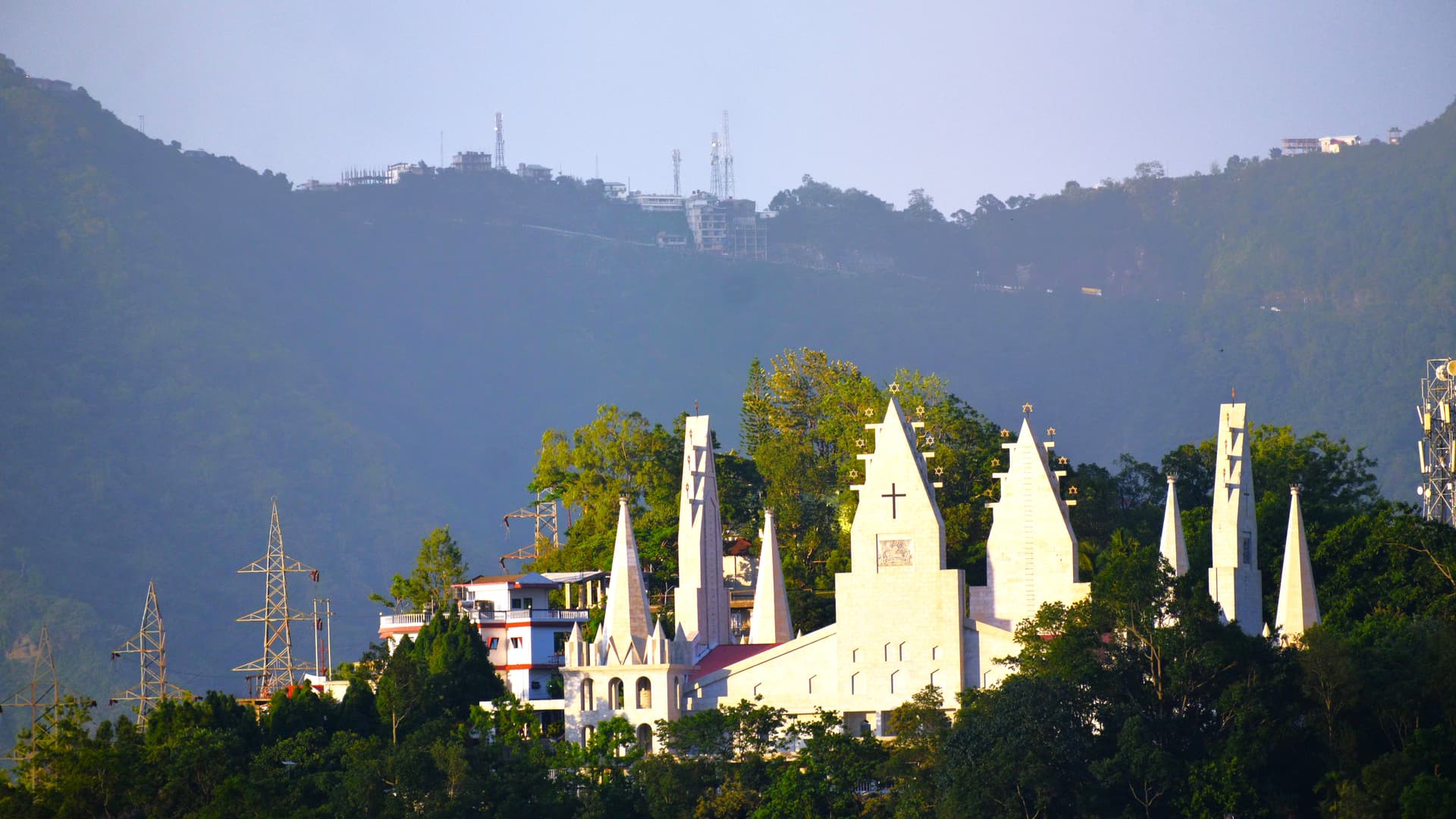
- Solomon Temple: Completed toward the end of the twentieth century, Solomon Temple is the state's principal Catholic place of worship. The faithful here celebrate baptisms, weddings, and births. Built in white marble, this church is an essential Mizoram icon.
- Mizo Hlakungpui Mual: A square housing the tombs of renowned figures in Mizo literature.
- Mizoram State Museum: Opened in 1977, this museum preserves and exhibits to the public the invaluable cultural heritage of Mizoram's tribes. It is managed by the Institute of Tribal Research. A visit is essential for a captivating glimpse into the ancestral way of life and customs of the tribes. The collection comprises approximately 2,500 artifacts and period objects divided into five sections: textiles, archaeology, zoology, ethnology, history, and anthropology. The ethnology section is most popular with tourists: here you'll find items used by residents, such as hunting equipment, bamboo fishing nets, and knives for beheading defeated enemies.
Natural Heritage
Trekking is the number one tourist activity in Mizoram, thanks to the abundance of lakes, rivers, waterfalls, endless valleys, mountain stations, and forest reserves. Safari is also a sport to enjoy without restraint if you're passionate about nature.
Don't miss these essential sites:
- Vantawng Falls: In the rolling and verdant village of Thenzawl, 137 km from Aizawl, lies one of India's most spectacular waterfalls: Vantawng Falls (the cascade that touches the firmament). Plunging 230 meters through lush vegetation, it tumbles impetuously into the Vanva River.
Unfortunately, the falls can only be viewed from a distance, but this doesn't prevent you from hiking around the site. Picnic spots are nearby. Don't miss the Chhingpui Thlang, a rock memorial framed by small waterfalls.
- Palak Dil: Nestled in the embrace of the hills, Palak Dil is Mizoram's largest lake. It's a beloved destination for its natural setting of palm trees, rattan, and bamboo thickets. Visiting Palak Dil means picnicking, angling, romantic getaways, or boat rides to observe diverse birdlife. Studies indicate the lake hosts approximately 136 bird species. Coots and anhingas or darters (an endangered species) are occasional visitors, while the pied hornbill, crested serpent eagle, white-throated bulbul, and Brooks's flycatcher are permanent residents. Birdwatchers will have a field day!
- Tamdil Lake: Situated 64 km east of the capital, in the village of Satual, Tamdil Lake is an essential stop for picnickers and panorama collectors. Though difficult to access, it's a must if you want boating or bird-watching. Tourist facilities have been established lakeside.
- Phawngpui Mountain: Rising to 2,157 meters, Phawngpui Peak is Mizoram's highest point. It forms an integral part of the national park of the same name. The blue mountain, as locals call it, is deeply revered, considered a refuge of local deities. Intrepid climbers will tackle the peak between ravines and jagged cliffs, while leisurely hikers can wander among giant bamboos and photograph rare butterfly species, clouded leopards, and tree-dwelling birds. Botanists will delight in the profusion of wild orchids present throughout the park.
- Reiek Mountain: Standing at 1,548 meters, Reiek is another celebrated mountain station in Mizoram after Phawngpui. The village is charmingly rustic, with traditional wooden huts and thatched roofs. If you visit Mizoram in April, you'll enjoy the annual anthurium festival held in Reiek. The program features dancing, cultural performances, flower pot sales, and an anthurium-themed fashion parade. An unforgettable mountain excursion just 29 km from the capital.
- Murlen National Park: Murlen's floral beauty makes it a true natural paradise. A unique range of orchids and lichens grow in the reserve, forming a colorful carpet among rows of oaks, birches, chestnuts, and rhododendrons. Trekking reveals 350-year-old trees as you traverse steep slopes and verdant valleys. Safari is also a flagship activity in Murlen Park, which shelters populations of tigers, leopards, Himalayan black bears, serrows, sambars, barking deer, and numerous other animals. A nature escape in the heart of Champhai district, 245 km from capital Aizawl.
- Lengteng Wildlife Sanctuary: Hidden within its modest 60 km² surface is breathtaking wildlife. Access requires traversing 198 km of road, then walking 2 km on foot from Ngopa. A magnificent forested region unfolds before you, alternating between evergreen primary forests, subtropical forests, and alpine forests. Seeking wildlife photography? You'll find plenty of opportunities capturing the pied hornbill with thick beak, Hume's pheasant, a gallinaceous bird common in grassy clearings, and mountain caprines like the goral and serow.
- Dampa Tiger Reserve: Nestled in the Lushai hills, the reserve is the state's largest protected area, encompassing over 500 km². Ornithology enthusiasts will love it—it's an ideal observation point for spotting the great hornbill, the wreathed hornbill, the red-headed trogon, or Hume's pheasant inhabiting the undergrowth. If you seek a memorable trekking circuit, a detour to Dampa will prove entirely satisfying. Walking through evergreen conifer forests, clouded leopards will likely make appearances. Steep ridges, sinuous and deep gorges, rivers, and salt licks compose a splendid wild tableau. Note that access is challenging and better suited to adventure enthusiasts than families! Although declared a tiger reserve in 1994, tigers appear to have disappeared by 2019.
Best Time to Visit
Leisure tourism in Mizoram thrives between October and February. Three seasons are worth distinguishing: summer, beginning in March and ending mid-May, is a dead season for tourism. Temperatures are very high, averaging 25°C and reaching up to 32°C. The monsoon, bringing torrential rains from May through late September, is an intermediate season. Winter, with cooler temperatures (minimum 11°C, maximum 21°C) and moderate rainfall, represents the high season.
To plan a family or couple's trip to Mizoram, favor the period from October to March.
Since Mizoram is hardly a renowned tourist destination, transport networks connect the state to the rest of the country without opening it to the wider world.
- By air: Lengpui Airport in Aizawl has several domestic flights to Guwahati, Kolkata, Imphal, Dimapur, and Agartala, but doesn't accommodate international passengers. To reach Mizoram, European tourists must fly to Guwahati. The plane departs from Paris, London, or elsewhere and lands at Guwahati Airport, also called Lokpriya Gopinath Bordoloi Airport, honoring the Assamese Chief Minister. From there, you change planes and fly to Aizawl. The Paris-Aizawl flight duration, including stopovers, is estimated at 21 or 22 hours.
To optimize travel costs, the best approach is to visit Assam, Mizoram, and Manipur together in a single circuit.
- By rail: Train is an excellent transport option to see the countryside and connect with locals. Mizoram is linked by rail to other Indian cities via Bairabi Station, which is 114 km from the capital.
- By road: Mizoram is also connected by road to Delhi, Guwahati, or Kolkata via public and private buses.
You'll Love…
- Taking a dream safari in one of Mizoram's national parks,
- Photographing local wildlife stars: tigers, Hume's pheasant, hornbills, clouded leopards, and more;
- Camping in Dampa National Park and waking to the calls of langurs and gibbons;
- Trying ziplining over the magnificent Vantawng Falls;
- Taking a pleasure cruise on Palak Dil Lake;
- Climbing Phawngpui Mountain or "Blue Mountain", Mizoram's highest peak;
- Paying homage to the unique architecture of Ujjayanta Palace, Aizawl district;
- Admiring traditional Mizo ethnic costumes in the State Museum's textile gallery;
- Savoring the richness and variety of local gastronomy;
- Exploring souvenir shops.