Rinchenpong
Rinchenpong
A perched village in western Sikkim, Rinchenpong combines a Nyingma Buddhist monastery, views of Kangchenjunga and trails through cardamom plantations.
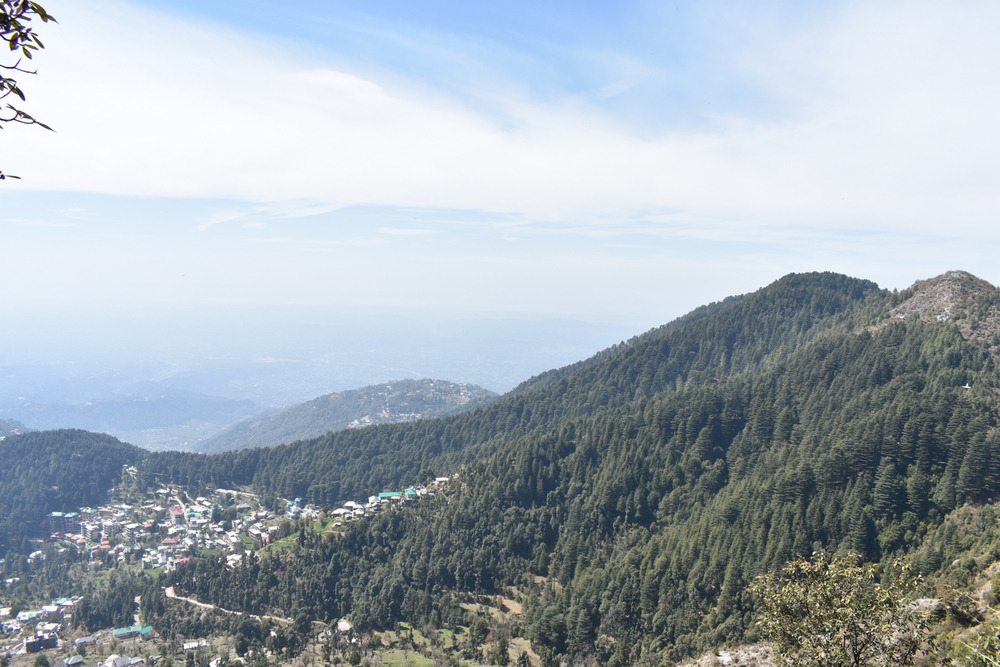
Rinchenpong is a perched village at roughly 1,400 meters altitude in western Sikkim, near the border with West Bengal. Surrounded by cardamom forests and terraced rice paddies, it offers sweeping views of snow-capped Himalayan peaks, including Kangchenjunga on clear days. The village remains largely untouched by mass tourism, making it a favored stop for those seeking an authentic, rural Sikkim.
Quick Practical Info
- Access: Rinchenpong is reached from Jorethang or Legship by road; Siliguri city in West Bengal serves as the main gateway via New Jalpaiguri (NJP) railway station.
- Permit: Foreign nationals must obtain an Inner Line Permit (ILP) or Restricted Area Permit (RAP) for Sikkim before arrival.
- Suggested duration: One to two nights allow time to visit the monastery and explore the surroundings on foot.
- Best season: October–November (clear skies, mountain views) and March–April (rhododendron blooms).
What to See
Rinchenpong's Buddhist monastery—affiliated with the Nyingma school—overlooks the village from a forested hill. Its golden-roofed buildings stand in striking contrast to the dense vegetation. Throughout the village, cardamom plantations perfume the trails, and terraced rice paddies shape the landscape down into the valleys below. On clear days, the panorama of Kangchenjunga (8,586 m) is breathtaking.
History and Context
Rinchenpong belongs to the historic region of western Sikkim, long influenced by Sikkimese chogyal kingdoms before Sikkim's integration into India in 1975. The local monastery perpetuates an ancient Nyingma Buddhist tradition present in this part of the Himalayas for centuries. The village has maintained an agricultural economy centered on cardamom, Sikkim's principal cash crop.
Highlights of Your Visit
The Nyingma Monastery
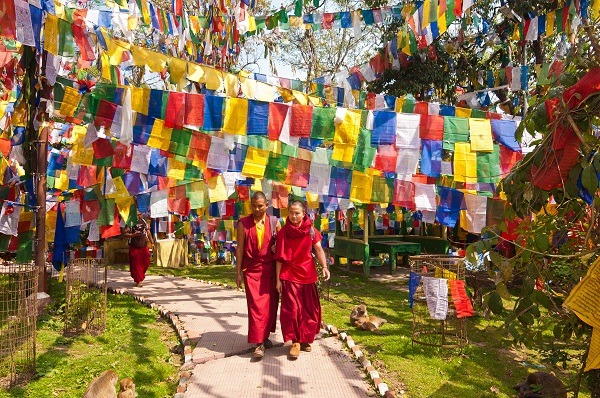
The monastery is the spiritual heart of the village. Its prayer halls house thangkas and statues of Padmasambhava. Monks conduct daily rituals; attending a morning prayer session is possible within the bounds of respectful visitation.
The Kangchenjunga Panorama
From the village heights or near the monastery, the view of the world's third-highest peak ranks among the most accessible in western Sikkim. Dawn offers the finest visibility.
The Cardamom Trails
Marked paths wind through cardamom plantations and mixed forests around the village. These two-to-four-hour walks allow you to meet locals and observe the local wildlife, notably Himalayan birds.
Etiquette and Visiting Rules
- Remove your shoes before entering the monastery's prayer hall.
- Dress modestly (shoulders and knees covered).
- Circumambulate stupas and prayer wheels clockwise.
- Always ask permission before photographing monks or ceremonies.
Photography Tips
Dawn is the ideal time to photograph Kangchenjunga: low-angle light turns the snow orange. The monastery photographs well in late morning. Cardamom plantations offer striking compositions in diffuse light, especially after rain.
Location and Access
Rinchenpong sits in Kalimpong district (formerly classified under West Sikkim depending on administrative divisions). The most common entry point is Siliguri / New Jalpaiguri, several hours' drive away. From Jorethang or Legship, shared vehicles serve the village. The road is winding and conditions vary with the monsoon season (June–September). No direct rail or air service exists in the immediate vicinity.
Nearby Attractions
- Pelling — the main town of western Sikkim, launching point for Pemayangtse Monastery and Kangchenjunga views.
- Pemayangtse Monastery — one of Sikkim's oldest and most important Nyingma monasteries.
- Jorethang — bustling market town at the Rangit confluence, gateway to western Sikkim.
- Yuksom — Sikkim's first historical capital, departure point for treks to Kangchenjunga.
Frequently asked questions
Yes. Foreign nationals must obtain an Inner Line Permit (ILP) to enter Sikkim. This document is issued at official entry points or online before departure. Indian citizens do not require a specific permit.
October and November offer the clearest skies following the monsoon. March–April is also favorable, with the added bonus of rhododendron blooms in surrounding forests.
The two villages are connected by road and the distance is manageable. A day suffices to visit both, though a night in Rinchenpong lets you savor the village's quiet atmosphere away from tour groups passing through Pelling.
Rinchenpong has a few homestays and small hotels run by local families. Supply is limited; advance booking is recommended, especially during high season (October–November).
Photography is generally tolerated in outdoor courtyards. Inside prayer halls, always ask the monks' permission. Avoid photographing ceremonies unless invited to do so.
Photos
Want to discover this destination?
Our local advisors design your tailor-made trip.