Narkanda
Narkanda
Perched at 2,700 m on the Shimla-Kinnaur road, Narkanda captivates with its deodar forests, apple orchards, and hiking to Hatu Peak offering views over the Great Himalayas.
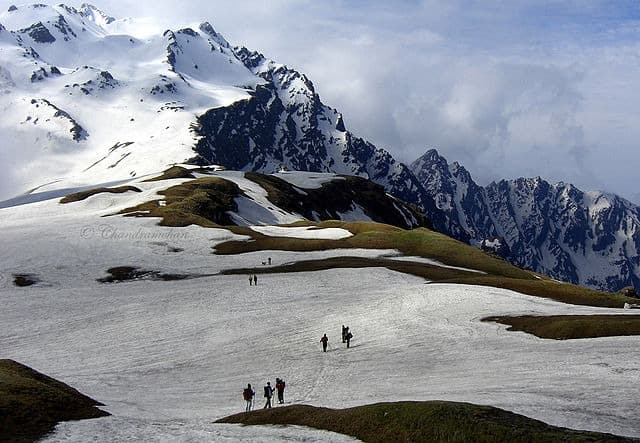
Narkanda is a small mountain town in Himachal Pradesh, perched at roughly 2,700 meters altitude on the Shimla-Rampur national highway. Surrounded by pine and deodar forests, it offers clear views over snow-capped peaks of the Great Himalayas. Known for its apple orchards and as a starting point for Hatu Lake and Hatu Peak, it draws hikers, winter skiers, and travelers seeking a quiet stop between Shimla and Kinnaur.
Practical information at a glance
- Altitude: approximately 2,700 m — pack warm clothing even in summer.
- Access: on NH-5 (Shimla–Rampur), about 65 km from Shimla by car or bus.
- Recommended duration: 1 to 2 nights to combine hiking, orchards, and Hatu Peak.
- Best time: April–June (wildflowers, apple blossoms) and October–November (apple harvest); December–February for skiing.
- Skiing: slope managed by Himachal Pradesh Tourism (HPTDC) — equipment rental on-site, conditions variable depending on snowfall.
What to see there
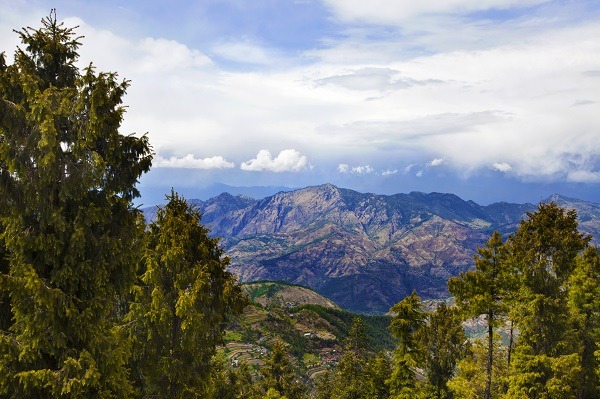
The landscape is dominated by dense forests of Himalayan cedar (deodar) and pines, dotted with vast apple orchards. In season, trees laden with red fruit contrast with snow-capped ridges in the background. The modest main bazaar reflects the daily life of a Himalayan town.
History and context
Narkanda developed as a trading post on the ancient route connecting the Indian plains to Tibet via Shipki La pass. Trade in wool, salt, and spices flowed through here. The introduction of apple cultivation in the 19th century by British missionaries transformed the local economy, making the region one of Himachal Pradesh's main apple-growing basins.
Highlights of your visit
Hatu Peak and temple
Hatu Peak rises to about 3,400 meters. A motorable road (passable by 4×4) or hiking trail leads from Narkanda to the summit. At the top sits Hatu Mata temple, dedicated to a local deity. The panoramic view over the Kinnaur and Spiti ranges on clear days is the main draw of the climb.
Apple orchards
Between July and October, the orchards surrounding the town are in full production. Some owners welcome visitors. It's a concrete way to understand the mountain agricultural economy that structures life throughout the valley.
HPTDC ski slope
In winter, Narkanda is one of the few accessible ski stations from Shimla. The slope, managed by state tourism, suits beginners and intermediate skiers. Snowfall depends on annual precipitation and remains unpredictable.
Photography tips
Morning light from Hatu Peak is ideal for photographing the peaks before mist rises. In autumn, the contrast between red apples and deodar forests offers rich compositions. Avoid midday in summer: the light is harsh and peaks often veiled.
Location and access
Narkanda sits on NH-5, approximately 65 km northeast of Shimla. Regular buses connect the two towns. By car, the journey takes about two hours depending on traffic and road conditions. The town is also a natural stopover toward Rampur Bushahar and Kinnaur valley.
Nearby
- Shimla — former British summer capital, about 65 km away, with its famous Mall Road and colonial buildings.
- Rampur Bushahar — historic market town on the Sutlej, gateway to Kinnaur.
- Sarahan — village housing Bhimakali temple, a remarkable example of Himalayan timber and stone architecture.
Frequently asked questions
April to June for hiking and apple blossoms; October-November for apple harvest and autumn colors. December to February suits ski enthusiasts, provided good snowfall.
Regular buses depart from Shimla bus station toward Rampur and stop at Narkanda. By taxi or rental car, expect about two hours on NH-5.
The trail is relatively marked and busy in season. A local guide remains useful off-season or in poor weather, as mist can roll in quickly at this altitude.
Yes. A night in Narkanda fits easily into a Shimla–Kinnaur circuit. It lets you break the journey and explore wilder mountain scenery than Shimla.
As in most Hindu temples in the region, it is customary to remove your shoes before entering and wear appropriate attire. Check on-site for any photography restrictions inside the sanctuary.
Photos
Want to discover this destination?
Our local advisors design your tailor-made trip.