Hemis Monastery
Located 45 km from Leh, Hemis Monastery is Ladakh's largest Buddhist complex. Founded in the 17th century, it houses a sacred art museum and hosts the celebrated annual festival of masked dances, the cham.
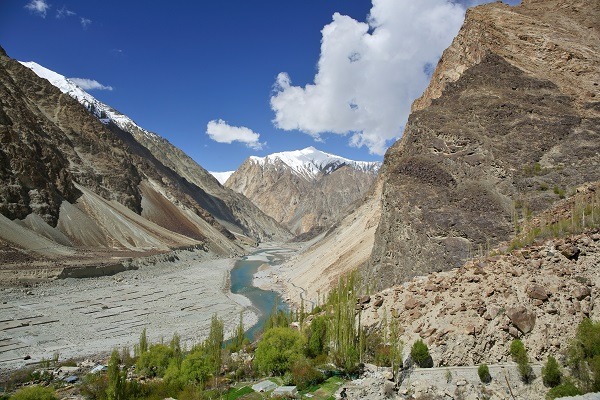
Hemis Monastery rises from a deep gorge roughly forty kilometers southeast of Leh, in Ladakh. Founded in the 17th century, it stands as the largest and most affluent of Ladakh's Tibetan Buddhist monasteries. It belongs to the Drukpa Kagyu order and houses an active community of monks. Its reputation extends far beyond the region thanks to its annual festival and remarkable collections of sacred art.
Quick Facts
- Admission: paid (ticket required for monastery and museum)
- Dress code: shoulders and knees covered; shoes removed before entering temples
- Recommended duration: 1.5 to 2 hours for the monastery alone; allow half a day during the festival
- Access: paved road from Leh; taxis and local buses available
- Altitude: approximately 3,600 m — allow time for acclimatization before visiting
What to See
The complex centers around a courtyard surrounded by buildings with red and white facades. Two main temples (dukhang) preserve giant thangkas, Buddha statues, and murals dating back centuries. The monastery museum displays ritual masks, ancient weapons, manuscripts, and objects crafted in silver and copper. A towering embroidered thangka is unfurled during the Hemis festival.
History and Context
The monastery was founded in 1672 under the patronage of Ladakhi king Sengge Namgyal, who financed its construction for the Drukpa Kagyu order. It quickly became Ladakh's most influential spiritual and economic center. Unlike other regional monasteries, Hemis was never destroyed during the 18th and 19th century invasions, which explains the exceptional richness of its collections.
Highlights
The Hemis Festival
Each year in June or July (according to the Tibetan lunar calendar), the festival celebrates the birth of Padmasambhava. Masked monks perform the cham dances in the central courtyard. It's among the few Buddhist festivals in Ladakh open to the public. Every twelve years, the great embroidered thangka is unfurled across the monastery's facade.
The Monastery Museum
Located on the upper floors, the museum holds pieces rarely displayed elsewhere: ritual dance masks in papier-mâché and metal, ancient thangkas, and weapons gifted by Ladakhi kings. The visit is guided by a monk or custodian.
Temples and Murals
The two main temples preserve wall frescoes rendered in natural pigments, depicting tantric deities and scenes from the Buddha's life. The atmosphere is that of a living place of worship: yak butter burning, chanted prayers, monks in maroon robes.
Etiquette and Visiting Rules
- Remove your shoes before entering each temple.
- Dress modestly: cover shoulders and knees.
- Circumambulate stupas and prayer wheels clockwise.
- Ask permission before photographing monks or ceremonies.
- Speak softly inside temples; do not disturb ceremonies.
Photography Tips
Morning light illuminates the main facade head-on — arrive early to avoid harsh shadows. The inner courtyard receives good exposure by mid-morning. Photography is generally permitted in the courtyard and outside; inside the temples, check with the monks. During the festival, position yourself on the galleries for a high vantage point capturing the masked dancers with the crowd below.
Location and Access
Hemis lies approximately 45 km southeast of Leh, on the left bank of the Indus. The road is paved and accessible by car or shared taxi from Leh. Local buses connect Leh to Hemis on certain weekdays. Thiksey Monastery sits on the same route, about twenty kilometers before Hemis. Wheelchair access is limited due to interior stairs.
Nearby Attractions
- Thiksey Monastery — an imposing tiered complex overlooking the Indus Valley, often compared to Lhassa's Potala Palace.
- Shey Palace and Monastery — the former summer residence of Ladakhi rulers, featuring a large gilt-copper Buddha statue.
- Stakna Monastery — a small monastery perched on a rocky outcrop above the Indus, less frequented.
- Leh — Ladakh's capital, the logistical starting point, with its bazaar, royal palace, and numerous urban monasteries.
Frequently asked questions
May through September offers clear roads and pleasant weather. June–July coincides with the Hemis Festival, the busiest period. Outside festival season, May and September provide fewer crowds and agreeable light.
Yes. Covered shoulders and knees are mandatory. Bring a shawl or lightweight pants even in summer, as the altitude means mornings can be cool.
Yes. The Leh–Shey–Thiksey–Hemis route is a classic day trip by taxi. Depart early from Leh to allow time at each site.
In the courtyard and outside, yes. Inside the temples, rules vary by room. Always ask a present monk for permission before using your camera.
Hemis sits at approximately 3,600 m. If arriving from low altitude, allow at least two days to acclimatize in Leh before undertaking excursions. Stay well hydrated and avoid sudden exertion.
Yes, annually according to the Tibetan lunar calendar, typically in June or July. The great embroidered thangka, however, is unfurled only every twelve years during a special edition.
Want to discover this destination?
Our local advisors design your tailor-made trip.