Lonavala
Lonavala
Nestled between Mumbai and Pune, Lonavala blends ancient Buddhist caves, perched Maratha forts and spectacular monsoon landscapes within the Western Ghats of Maharashtra.
Lonavala is a hill station in the Western Ghats, perched at approximately 625 metres altitude between Mumbai and Pune. Known for its forested gorges, seasonal waterfalls and Buddhist caves carved into basalt, it attracts both weekend families and trekkers alike. The monsoon transforms it radically: hillsides turn lush green, waterfalls come alive and clouds cling to the cliffs.
Practical Information at a Glance
- Access: Train from Mumbai CST or Pune (Mumbai–Pune line, Lonavala stop); road via the Mumbai–Pune expressway (NH48).
- Suggested duration: weekend (2 days) to cover the main sites.
- Best time to visit: monsoon (June–September) for waterfalls; October–February for drier weather and comfortable trekking.
- What to wear: walking shoes recommended; waterproof clothing essential during monsoon.
What You'll See
The landscape alternates between basalt cliffs, reservoirs and dense forests. The most visited sites include the Karla and Bhaja caves, the viewpoints at Tiger's Leap and Rajmachi, as well as Lonavala Lake and Bhushi Dam, particularly busy during monsoon. The town itself is renowned for its local confectionery, notably chikki, a brittle made from peanuts and jaggery.
History and Context
The region was developed as a hill station by the British in the 19th century, seeking refuge from the heat of Mumbai and Pune. The Karla and Bhaja caves, carved between the 2nd century BCE and 2nd century CE, bear witness to ancient Buddhist presence on these heights. The forts of Rajmachi and Lohagad, built under Maratha dynasties, controlled trade routes between the Deccan and the Konkan coast.
Highlights of a Visit
Karla Caves
The chaitya (prayer hall) at Karla is one of India's largest and best-preserved Buddhist monuments. Its sculpted façade, columns adorned with mithuna couples and great interior stupa make it a major archaeological site. A Hindu temple dedicated to Ekvira Devi coexists on the same grounds.
Bhaja Caves
Less crowded than Karla, the Bhaja caves offer an ensemble of 22 caverns, including an open chaitya and viharas (monasteries). The bas-reliefs depicting Indra and Surya rank among India's earliest examples of Buddhist narrative sculpture.
Tiger's Leap (Vāghjai)
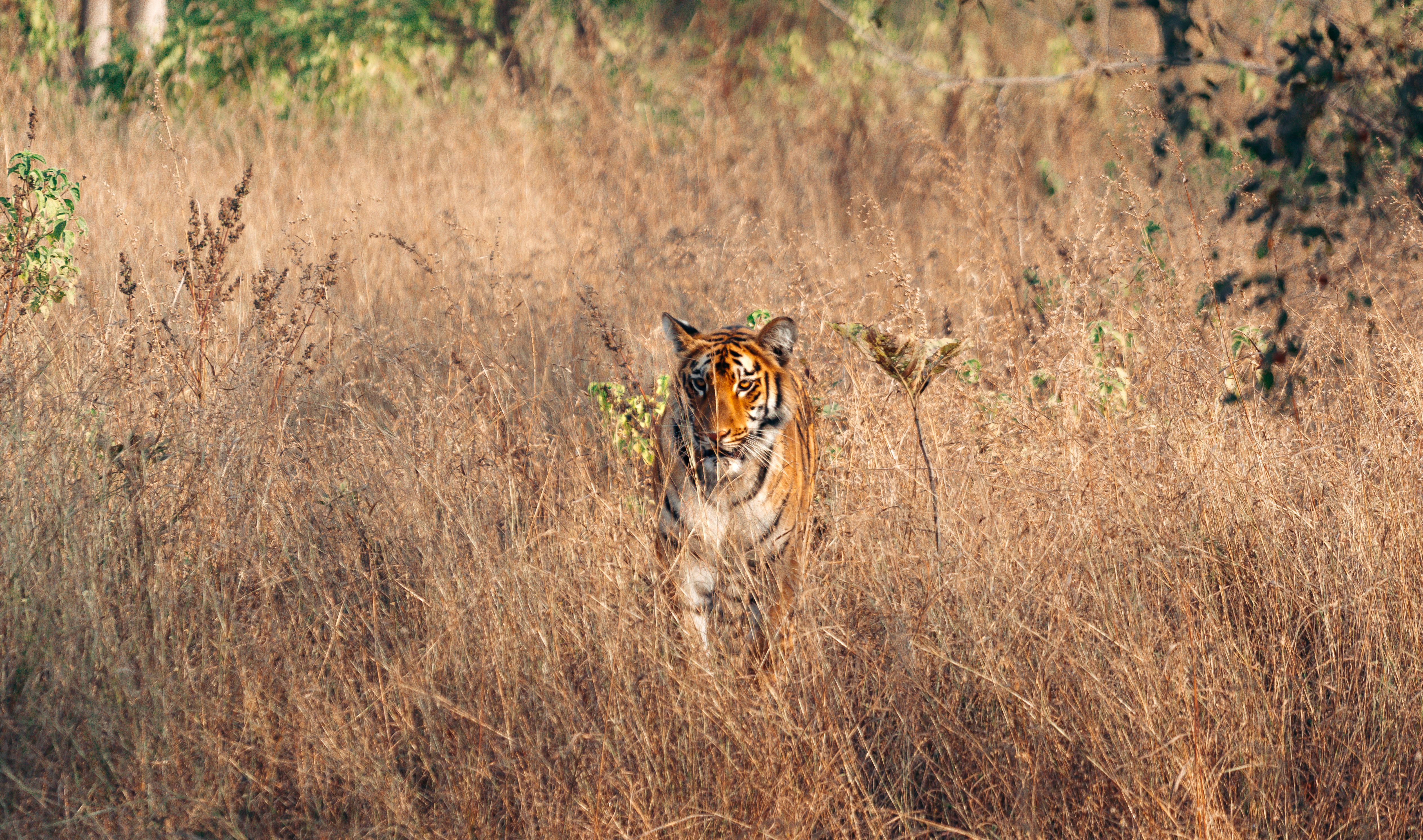
This tiger-head-shaped promontory overlooks a deep gorge. On clear days, views extend across the Deccan plain. During monsoon, clouds swirl below, making the panorama particularly striking.
Bhushi Dam and Lonavala Lake
Bhushi Dam's spillway becomes a popular bathing spot during monsoon, when water cascades down the stone steps. Lonavala Lake, more serene, is suited to early morning walks.
Lohagad Fort
This 17th-century Maratha fort, a protected monument, is reached on foot from Malavli village. The climb passes well-preserved ramparts and offers views over the Pawna valley.
Photography Tips
Golden morning light is ideal at Tiger's Leap before crowds arrive. During monsoon, ephemeral waterfalls along the road are photogenic but require a humidity-protected lens. Inside Karla caves, natural light filters through the façade: capture images when sunlight faces the entrance (morning). No known photography restrictions in the caves, but avoid flashes on sculptures.
Location and Access
Lonavala lies in Pune district (Maharashtra), approximately 65 km from Pune and 83 km from Mumbai. The railway station is central and well-served. Local tuk-tuks and taxis connect the station to sites. Lohagad fort and Bhaja caves are accessible from Malavli station, one stop before Lonavala on the Mumbai–Pune line.
Nearby
- Karla Caves — 2nd-century BCE Buddhist ensemble, a few kilometres from town.
- Bhaja Caves — 22 less-visited caverns with rare narrative sculptures.
- Lohagad Fort — classified Maratha fort, accessible on foot from Malavli.
- Khandala — nearby hill station a few kilometres away, quieter, with Duke's Nose viewpoint.
- Rajmachi — isolated fort and village, starting point for forest treks.
- Pune — major cultural and university city of Maharashtra, approximately 65 km away.
Frequently asked questions
Monsoon (June–September) activates waterfalls and greens hillsides, though trails can be slippery. October to February offers dry weather, ideal for trekking and fort visits.
Yes, rail connections are fast from both cities. A day suffices for main sites, though a weekend allows combining caves, forts and treks without rushing.
No strict religious dress is enforced in the Buddhist caves. However, the Hindu Ekvira Devi temple on the same site may require shoe removal at the entrance.
The trail is moderate, manageable for fit walkers. Rock-cut steps become slippery during monsoon: shoes with good grip are essential.
Chikki (peanut-and-jaggery brittle) is the local specialty sold in many bazaar shops. Several historic brands are found in the town centre.
Karla caves require climbing steps; wheelchair access is limited. Tiger's Leap and Lonavala Lake are more car-accessible, with short walks from parking.
Photos
Want to discover this destination?
Our local advisors design your tailor-made trip.