Kumbhalgarh
Kumbhalgarh
Perched in the Aravalli Hills, Kumbhalgarh Fort holds the world's second-longest wall, over 360 temples, and the birthplace of the legendary Maharana Pratap. A UNESCO World Heritage site 80 km from Udaipur.
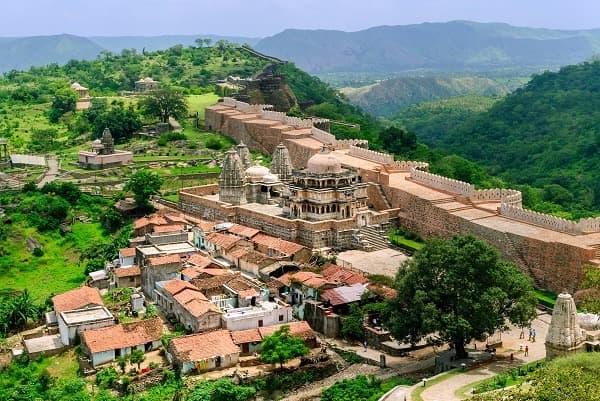
Kumbhalgarh is a medieval fortress in Rajasthan, perched in the Aravalli Hills approximately 80 km north of Udaipur. Built in the 15th century by Maharana Kumbha, it houses the world's second-longest wall after the Great Wall of China. Within its fortifications lies a protected natural park, temples, and the birthplace of the legendary Maharana Pratap. The site has been a UNESCO World Heritage property since 2013.
Quick Facts
- Entry: Paid admission (different rates for Indian residents and foreign visitors)
- Recommended duration: 3 to 4 hours for the fort and its main temples
- Access: By car or taxi from Udaipur (approximately 2 hours) or Ranakpur; no direct train service
- Dress code: Covered clothing recommended for interior temples
- Sound and light show: Evening performance held on site (verify availability with local tourism office)
What to See
Kumbhalgarh's wall stretches approximately 36 km, in places several meters wide — wide enough for eight horses to walk abreast. Inside the fortifications stand over 360 temples, both Hindu and Jain. Badal Mahal (the "Palace of Clouds"), at the summit, offers sweeping views of the Aravalli Hills and, on clear days, all the way to the Thar Desert.
History and Context
The fort was built between 1443 and 1458 under Maharana Kumbha of the Sisodia dynasty. Considered impregnable, it fell only once — in 1576, when Mughal, Gujarati, and Marwari armies cut off its water supply. It was here that Maharana Pratap was born in 1540, a figure of Rajput resistance against the Mughal empire and venerated throughout Rajasthan.
Highlights of Your Visit
The Great Wall
Walking a section of the crenellated wall helps you grasp the scale of this engineering feat. Guard towers succeed one another at regular intervals. The ascent to the upper palace follows a paved path through several successive fortified gates.
Badal Mahal
This two-story palace, with facades decorated in blue and white motifs, crowns the fort. The women's quarters (zenana) and audience chambers retain period décor. The terrace offers the most expansive panorama of the site.
Interior Temples
The Neelkanth Mahadev temple (dedicated to Shiva) and several Jain sanctuaries are among the best preserved. Some predate the construction of the current fort, bearing witness to occupation of the site before the 15th century.
Kumbhalgarh Wildlife Sanctuary
The nature reserve surrounding the fort is home to Indian wolves, leopards, hyenas, and nilgai antelope. Jeep safaris are organized from nearby villages, particularly at dawn and dusk.
Etiquette and Visiting Rules
- Remove shoes before entering active temples.
- Wear covered clothing (shoulders and knees) in places of worship.
- Do not touch statues and idols.
- Avoid visiting during ceremonies unless invited.
Photography Tips
Golden morning light illuminates the wall from the east and reveals the relief of the Aravalli Hills. In late afternoon, Badal Mahal stands out against often colorful skies. Drones require prior authorization — check with the Archaeological Survey of India before your visit.
Location and Access
Kumbhalgarh is located in Rajsamand district, approximately 80 km north of Udaipur and about 90 km southeast of Jodhpur. The road from Udaipur crosses the Aravalli Hills and follows Badi Lake. Most visitors arrive by taxi or rental car. No railway station nearby; the nearest airport is Udaipur. Accessibility for people with reduced mobility is limited due to slopes and historic paving.
Nearby Attractions
- Ranakpur Temples — a 15th-century Jain temple complex with 1,444 sculpted columns, approximately 50 km away.
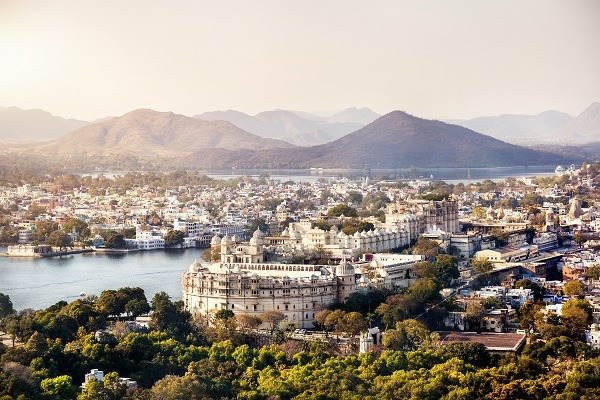
- Udaipur — the "City of Lakes," featuring the City Palace and Lake Pichola, approximately 80 km to the south.
- Chittorgarh — Rajasthan's largest fort and a major landmark in Rajput history, approximately 115 km away.
Frequently asked questions
October to March offers cool, pleasant weather. Summer (April-June) is very hot; monsoon (July-September) turns the hills green but roads may become slippery.
Yes, this is a classic itinerary by taxi. Plan a full day starting early: Kumbhalgarh in the morning, Ranakpur in the afternoon, return to Udaipur in the evening.
For interior temples, covered shoulders and knees are required. Comfortable, sturdy shoes are essential: the paths are paved and steep.
Photography is generally permitted in outdoor areas and most temples. Some active sanctuaries may prohibit it — respect signage on site.
The sanctuary is home to Indian wolves, leopards, and antelope. Organized jeep safaris at dawn or dusk offer the best chances of spotting wildlife.
Allow 3 to 4 hours to explore the main highlights: the wall, Badal Mahal, and major temples. An additional half-day is needed if you include a safari in the wildlife sanctuary.
Photos
Want to discover this destination?
Our local advisors design your tailor-made trip.