Kota
Kota
Kota, a Rajasthan town on the Chambal's banks, blends royal heritage, miniatures from a locally celebrated school, and wildlife observation—far removed from the crowds of major Rajasthani destinations.
Kota is a town in Rajasthan, nestled on the banks of the Chambal. Less frequented than Jaipur or Udaipur, it preserves a dense architectural heritage—palaces, forts, temples—and a miniature painting school uniquely its own. The Chambal also draws wildlife enthusiasts: crocodiles, Ganges dolphins, and migratory birds populate its shores.
Practical Information at a Glance
- Best time to visit: October to March (pleasant temperatures, active wildlife along the Chambal)
- Recommended duration: 1 to 2 days to cover the fort, museums, and ghats
- Access: well-connected railway station from Jaipur, Delhi, and Mumbai; nearest airport in Jaipur
- Dress code: covered clothing recommended for temples and the palace
What to See
The City Palace of Kota (Garh Palace) has dominated the Chambal since the 17th century. It houses the Rao Madho Singh Museum, rich in armour, miniatures from the Kota school, and royal objects. Nearby, Kishore Sagar is a 15th-century artificial lake with a small palace at its centre, the Jagmandir. The Chambal ghats offer a serene atmosphere, far from the hustle of major Rajasthani cities.
History and Context
Kota was initially a fief of the Bundi kingdom before becoming an independent princely state in the 17th century under Rao Madho Singh. Successive maharajas developed a refined court, patronising a distinctive miniature painting school: the Kota school, recognisable by its hunting and wildlife scenes, vibrant colours, and dynamic compositions. Today, Kota is also known as India's national hub for engineering and medical entrance examination coaching.
Highlights of Your Visit
Rao Madho Singh Museum
Set within the royal apartments of Garh Palace, this museum houses one of the finest collections of Kota school miniatures. The galleries also preserve weapons, palanquins, and intricately embroidered textiles from the Mughal and Rajput periods.
Kishore Sagar and Jagmandir
This lake, built in 1346 by Prince Dher Deh, offers a tranquil setting. The small palace Jagmandir, constructed on an islet, mirrors itself in the water at sunset. Boats allow visitors to approach it.
Chambal Garden and Chambal Sanctuary
The park runs along the river and provides access to boats for spotting gharials (slender-snouted crocodiles), marsh crocodiles, and occasionally Ganges dolphins. It is one of the few places in India where these species coexist in a semi-protected environment.
Kansua and Barodia Temples
On the outskirts of town, ancient Shaivite temples—some dating to the 8th century—testify to the region's historical depth, often overlooked by standard tours.
Etiquette and Visiting Rules
- Remove your shoes before entering temples.
- Dress modestly (shoulders and knees covered) in places of worship.
- Ask permission before photographing people at prayer.
Photography Tips
Kishore Sagar is most photogenic early morning or late afternoon, when raking light illuminates the Jagmandir. For wildlife on the Chambal, prioritise boat rides at dawn. Museum miniatures are often protected behind glass: avoid flash and move closer to minimise reflections.
Location and Access
Kota lies in south-eastern Rajasthan, approximately 250 km from Jaipur by road or train. Kota railway station is a major hub on the Delhi–Mumbai line. Within town, auto-rickshaws and local taxis easily serve the fort, lake, and ghats. Disabled accessibility remains limited in the older sections of the palace.
Kota integrates naturally into a circuit combining Bundi (40 km to the north) and Chittorgarh (120 km to the west).
Nearby Attractions
- Bundi — the blue city of ornate stepwells and a perched fort, roughly 40 km away.
- Chittorgarh — Rajasthan's largest fort, a symbol of Rajput resistance.
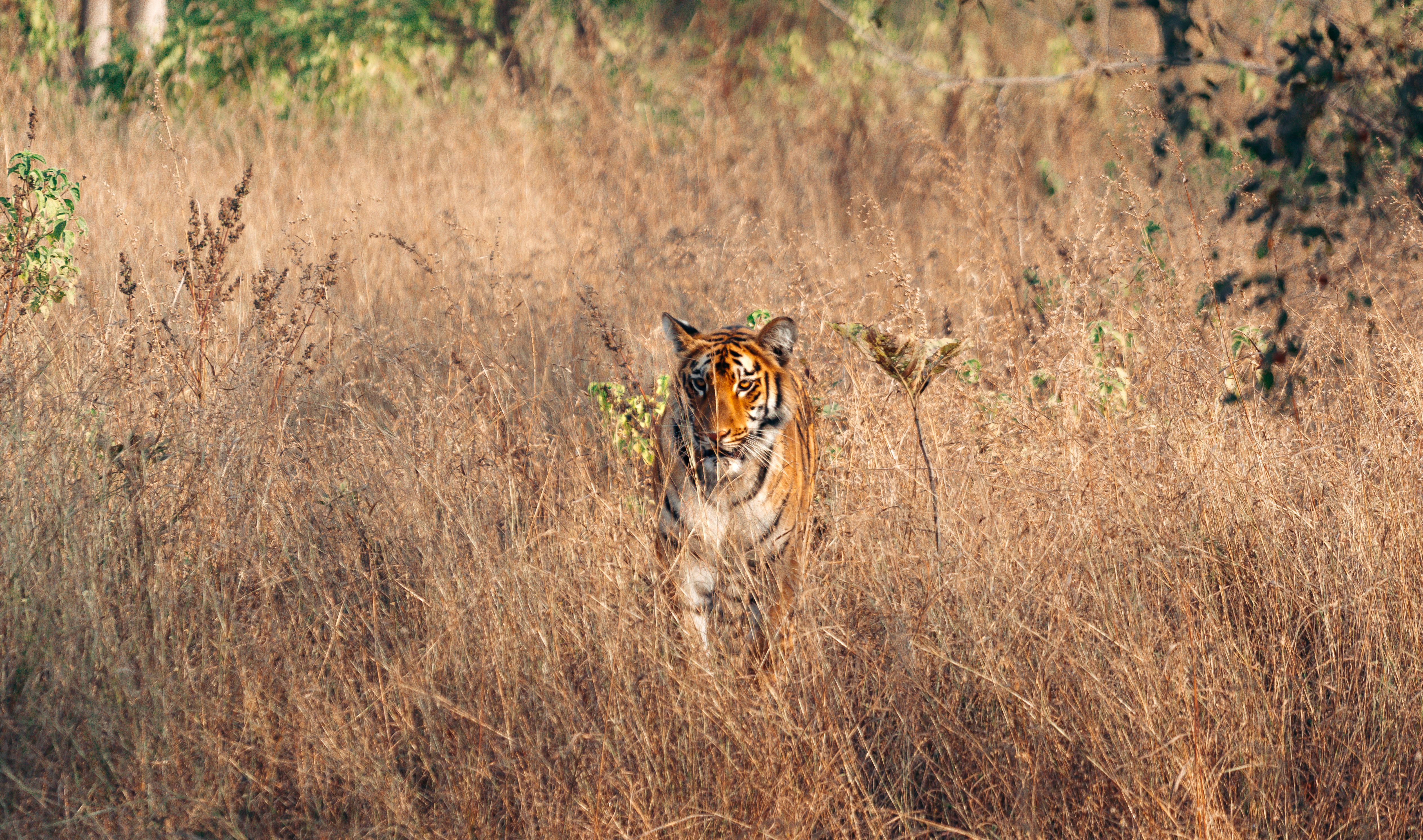
- Ranthambore — national park renowned for Bengal tiger spotting, accessible from Kota.
- Jhalawar — little-visited princely city with a fort and cave Buddhist temples at Kolvi.
Frequently asked questions
From October to March, temperatures are pleasant and Chambal wildlife is most active. Avoid summer months (April–June) when heat regularly exceeds 40 °C.
Yes, both towns are roughly 40 km apart. Two days in Kota and a day in Bundi form a coherent circuit through south-eastern Rajasthan.
Train is the most convenient option: several daily connections link Jaipur to Kota in approximately 2.5 to 3 hours. The road (NH 52) is also accessible by car or bus.
Restrictions apply to certain galleries. Enquire at the entrance; flash is generally prohibited to protect the miniatures.
Ganges dolphins are present in the Chambal, though sightings are not guaranteed. Boat trips at dawn increase the odds of spotting them, along with gharials and marsh crocodiles.
The modern sections of town are accessible, but Garh Palace and the ghats feature numerous stairs and uneven surfaces that make wheelchair visits challenging.
Photos
Want to discover this destination?
Our local advisors design your tailor-made trip.