Junagadh
Junagadh
At the foot of Mount Girnar, Junagadh layers Ashoka's edicts, a medieval citadel and Jain temples across 9,000 steps. The ideal starting point for Gir National Park and its Asiatic lions.
Junagadh sits at the foot of Mount Girnar, in western Gujarat. A millennial city with Buddhist, Hindu and Muslim layers, it houses Ashoka's edicts carved into rock, a medieval fortress and the starting point for the pilgrimage to Girnar's temples. Less frequented than major tourist circuits, it offers direct access to the wildlife of Gir National Park, the last refuge of the Asiatic lion.
Quick practical facts
- Getting there: well-connected railway station to Ahmedabad and Rajkot; regular buses from Gujarat towns.
- Recommended duration: 2 to 3 days to combine the city, Girnar and Gir Park.
- Dress code: covered clothing recommended for temples and mosques.
- Best time to visit: October to March, pleasant temperatures and Gir Park open for visits.
What to see
The Ashoka Edict Rock (3rd century BCE) gathers fourteen inscriptions in Prakrit, among the oldest on the subcontinent. The Uparkot fortress, perched on a plateau, contains stepwell cisterns and mosques converted from ancient temples. The Muhammad Begada mausoleum and the tombs of Junagadh's nawabs illustrate the Indo-Islamic architecture of Gujarat.
History and context
Junagadh — "old fortress" in Gujarati — was the capital of the Chudasama kingdom, then fell under Mughal control before becoming a princely state under the Babi nawabs. In 1947, the nawab declared accession to Pakistan; India organized a referendum and integrated the city. This composite past explains the coexistence of Hindu, Jain, Buddhist and Islamic monuments within a restricted perimeter.
Highlights of the visit
Ashoka's Edicts
Engraved on a granite rock at the city's entrance, these fourteen edicts proclaim Emperor Ashoka's policy of dhamma (virtue, non-violence). Later inscriptions by Rudradaman I and Skandagupta complete the panel, forming a unique historical document spanning more than seven centuries.
Uparkot Fortress
Founded, according to tradition, in the 4th century BCE, the citadel dominates the city. Inside: the Adi Kadi Vav and Navghan Kuvo stepwells, Buddhist galleries carved into rock, and the Jama Masjid mosque built on the foundations of a temple. The ramparts offer sweeping views over the plain and Girnar.
Mount Girnar and its temples
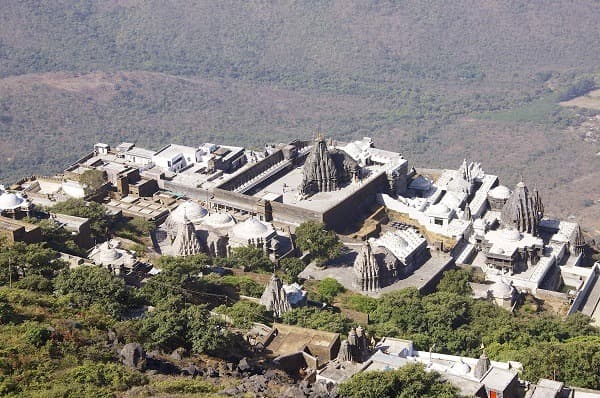
Girnar peaks at approximately 1,100 meters. The climb comprises more than 9,000 steps and leads to a complex of Jain (12th-13th centuries) and Hindu temples. The Neminath temple, dedicated to the 22nd tirthankara, is the most venerated. Departing before dawn allows you to avoid the heat and reach the summit at sunrise.
Nawabs' mausoleums
East of the city, the tombs of the Babi nawabs blend Islamic domes with Indo-European capital columns. The ensemble, slightly set back from usual circuits, is often deserted — which facilitates contemplation.
Etiquette and visiting rules
- Remove your shoes before entering temples and mosques.
- Covered clothing (shoulders and knees) is mandatory in active places of worship.
- Photography is forbidden inside certain Jain sanctuaries on Girnar — check signage on site.
- On Girnar, respect the porters (khawaas) and do not block the narrow steps.
Photography tips
- Ashoka's Edicts: early morning raking light to emphasize the recessed inscriptions.
- Uparkot: late afternoon, the golden stone of the ramparts contrasts with Gujarat's blue sky.
- Girnar: night departure to photograph the procession of headlamps on the steps before dawn.
- Nawabs' mausoleums: golden hour in the morning, few visitors, soft light on white domes.
Location and access
Junagadh is located on the Saurashtra peninsula, approximately 100 km southeast of Rajkot and about 320 km from Ahmedabad. The central railway station serves both cities several times daily. Buses also connect to Gir National Park, approximately 60 km east. The nearest airport is Rajkot. Most sites in the city center are accessible on foot or by rickshaw.
Nearby attractions
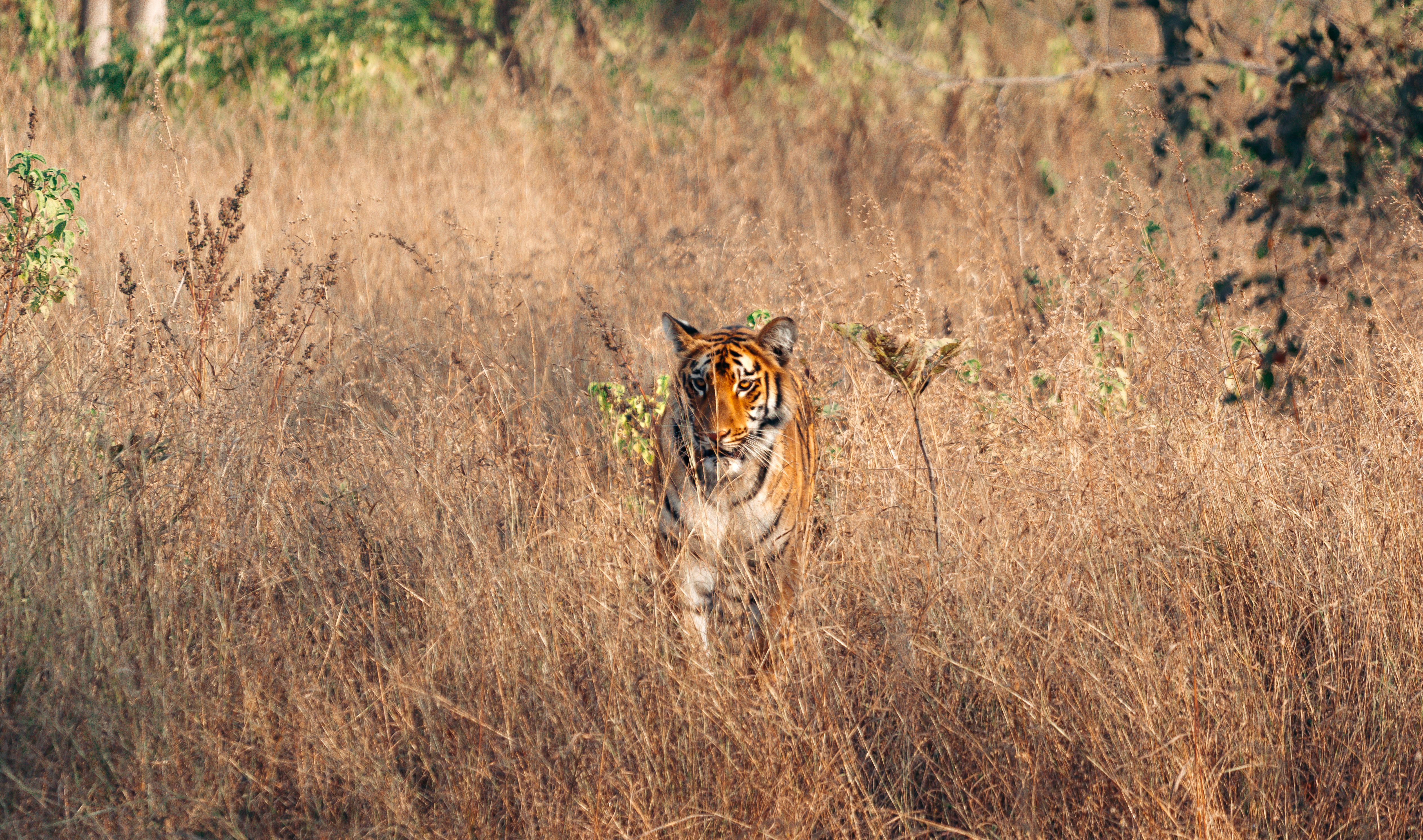
- Gir National Park — the only wild habitat of the Asiatic lion, approximately 60 km away; jeep safaris by reservation.
- Somnath Temple — one of Shiva's twelve jyotirlingas, on the coast, approximately 85 km to the southwest.
- Rajkot — Gandhi's birthplace, museums and lively market, approximately 100 km to the north.
- Porbandar — Gandhi's birthplace, waterfront and house-museum, approximately 120 km to the west.
Frequently asked questions
From October to March, temperatures are pleasant and Gir Park is open. Avoid June-September: monsoons and heat make climbing Girnar difficult.
More than 9,000 steps represent a real effort. Depart before 5 a.m. to avoid the heat. Sedan chair porters are available for those unable to climb alone.
Yes. Two nights in Junagadh (city + Girnar) and one night near Gir are enough for a morning safari. Buses and taxis easily connect the two sites.
Ashoka's Edicts and Uparkot are generally photographable outdoors. Inside Girnar's Jain temples, restrictions apply — respect signage on site.
Yes. Main sites are grouped and accessible by rickshaw. English signage remains scarce on certain monuments; a local agency can provide a guide to contextualize Ashoka's edicts and the fortress's history.
Photos
Want to discover this destination?
Our local advisors design your tailor-made trip.