Guwahati
Guwahati
Guwahati, gateway to India's Northeast, brings together the Kamakhya temple, the banks of the Brahmaputra and Assam's silk markets. The ideal starting point for Kaziranga and Meghalaya.
Guwahati is the largest city in Assam and the gateway to India's Northeast. Positioned on the south bank of the Brahmaputra, it blends ancient Hindu temples, bustling markets and direct access to the region's nature reserves. This is where roads converge toward Meghalaya, Arunachal Pradesh and Bhutan. The city is far more than a transit stop—it deserves a dedicated visit.
Quick Practical Information
- Access: Lokpriya Gopinath Bordoloi International Airport (LGBI), connected to major Indian cities; Guwahati railway station on the Kolkata–Dibrugarh line.
- Local transport: auto-rickshaws, taxis and public ferries on the Brahmaputra.
- Dress code: covered clothing recommended for temple visits.
- Recommended duration: 2 to 3 days to combine temples, market visits and river excursions.
- Best time: October to April, before the monsoon rains.
What to See
The Kamakhya temple, perched on Nilachal Hill, is the city's most visited site. Guwahati Zoo is home to one-horned rhinoceroses and snow leopards. The Assam State Museum preserves medieval sculptures and artifacts from the Ahom period. The Brahmaputra itself, one of Asia's great rivers, shapes the city and offers sunset cruises.
History and Context
Once called Pragjyotishpura, Guwahati is mentioned in the Mahabharata. It was the capital of the Kamarupa kingdom, then a strategic center under the Ahoms who ruled Assam for six centuries. The British made it an administrative and commercial hub after the 1826 annexation. Today, it remains the economic and cultural hub of India's Northeast.
Key Highlights
Kamakhya Temple
One of Hinduism's four great shakti pithas. The main shrine, dedicated to the goddess Kamakhya, draws pilgrims from across India. The architecture is characteristic of the Nilachal style: a beehive dome topped with a trident. The view of the Brahmaputra from the hill is remarkable. During the Ambubachi Mela festival (June), hundreds of thousands of devotees converge here.
Umananda Island
A small island in the middle of the Brahmaputra, accessible by ferry from Fancy Bazar. It houses a 17th-century Shiva temple and a colony of golden langurs, a rare species. The boat crossing offers a unique perspective of the city.
Fancy Bazar and Paltan Bazar
These two markets concentrate Muga silks (Assam's wild silk), local teas, spices and tribal crafts. It's the place to observe daily life and take home authentic regional products.
Brahmaputra River Cruise
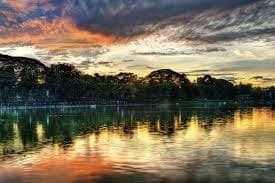
Public and private boats offer crossings to Umananda or sunset cruises. The river, several kilometers wide at this point, demonstrates the power of India's Northeast.
Etiquette and Visiting Rules
- Remove your shoes before entering temples.
- Wear clothing that covers shoulders and knees in places of worship.
- Photography is forbidden inside the main sanctuary of Kamakhya.
- During Ambubachi Mela, the temple closes for three days then reopens: plan accordingly.
Photography Tips
The golden morning light on the Brahmaputra, viewed from the ghats or ferry to Umananda, is ideal. Nilachal Hill offers a panoramic view of the river in late afternoon. At Kamakhya, photograph the temple's exterior early in the morning before the pilgrim crowds arrive. The markets are most photogenic in the morning when stalls are full.
Location and Access
Guwahati stretches along the south bank of the Brahmaputra in western Assam. The airport is about fifteen kilometers from the city center. The railway station is centrally located and well-connected. The city is the natural starting point for Kaziranga Reserve (approximately 4 hours by road) and for heading toward Shillong (approximately 2 hours). Auto-rickshaws and taxis are the most practical way to get around the city.
Nearby
- Kaziranga Reserve — UNESCO World Heritage site, sanctuary of India's one-horned rhinoceros.
- Shillong — Capital of Meghalaya, nicknamed the "Scotland of the East", a few hours' drive away.
- Cherrapunji (Sohra) — One of the world's wettest places, famous for its living root bridges.
- Pobitora Reserve — Small reserve near Guwahati with high rhino density.
Frequently asked questions
October to April: the monsoon is absent and temperatures remain pleasant. Avoid June-September when rains are intense and some roads to reserves may be impassable.
Two days are sufficient for Kamakhya, Umananda and the markets. Add a third day if you want an excursion to Pobitora or a longer cruise on the Brahmaputra.
Yes. Covered shoulders and knees are required. Keep a shawl or sarong in your bag if you wear light clothing. Shoes are removed at the entrance of each temple.
No. Photography is prohibited in the inner sanctuary. The temple's exterior and the view from Nilachal Hill can be photographed freely.
Yes. It's the region's main hub: roads and flights serve Assam, Meghalaya, Arunachal Pradesh and Nagaland from here. Most Northeast itineraries begin and end in Guwahati.
National Highway NH27 connects Guwahati to Kaziranga in approximately 4 hours depending on traffic. Buses, shared taxis and cars with drivers are available. Leave early in the morning to arrive in time for the afternoon safari.
Photos
Want to discover this destination?
Our local advisors design your tailor-made trip.