Govindghat
Govindghat
Govindghat, in the Uttarakhand Himalayas, is the last motorable stage before trekking to the Valley of Flowers (UNESCO) and the Sikh sanctuary of Hemkund Sahib. Its gurdwara, langar, and suspension bridge over the Alaknanda River make it a worthwhile stop in its own right.
Govindghat is a pilgrimage town nestled in the Alaknanda valley in the Himalayan region of Uttarakhand. Serving as the gateway to the Valley of Flowers and the Sikh sanctuary of Hemkund Sahib, it marks the point where the motorable road ends and trekking begins. Every summer, thousands of pilgrims and hikers converge here before venturing into the Pushpawati gorges.
Quick Practical Information
- Access: Govindghat is accessible from Joshimath (approximately 19 km) by road. Joshimath is connected to Rishikesh via National Highway NH-7.
- Opening season: The town is active from May to October; outside this period, the region closes due to snow.
- Recommended duration: One night's stopover before trekking to Ghangaria (the starting point for the Valley of Flowers and Hemkund Sahib).
- Dress code: Covered clothing recommended for entering the local gurdwara.
- Altitude: Approximately 1,800 m — plan gradual acclimatisation before ascending higher.
What to See
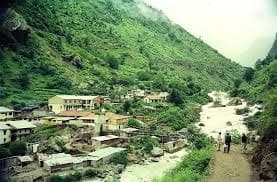
Govindghat stretches along the confluence of the Alaknanda and Pushpawati rivers. A suspension bridge spans the river and marks the beginning of the trail to Ghangaria. The Sikh gurdwara at Govindghat, managed by the Shiromani Gurdwara Parbandhak Committee, offers free accommodation and meals (langar) to pilgrims. The riverbanks are lined with dharmashalas and small hotels.
History and Context
The place takes its name from the tenth Sikh Guru, Guru Gobind Singh, who is believed to have passed through this region. Hemkund Sahib, approximately 19 km of trekking further on, is one of the five most sacred pilgrimage sites in Sikhism. Over the decades, Govindghat has become an essential logistical hub for Sikh yatris (pilgrims) and hikers drawn to the Valley of Flowers, inscribed on the UNESCO World Heritage list.
Highlights of the Visit
The Gurdwara and Langar
The Govindghat gurdwara welcomes pilgrims and travellers regardless of religion. The langar—a communal free meal—is served continuously during the season. It's a rare experience of communal solidarity in the heart of the mountains.
The Alaknanda-Pushpawati Confluence
The meeting point of the two rivers, visible from the suspension bridge, offers a striking spectacle: turquoise glacial waters against a darker current. Early in the morning, before the crowds arrive, the place is particularly serene.
The Start of the Trek to Ghangaria
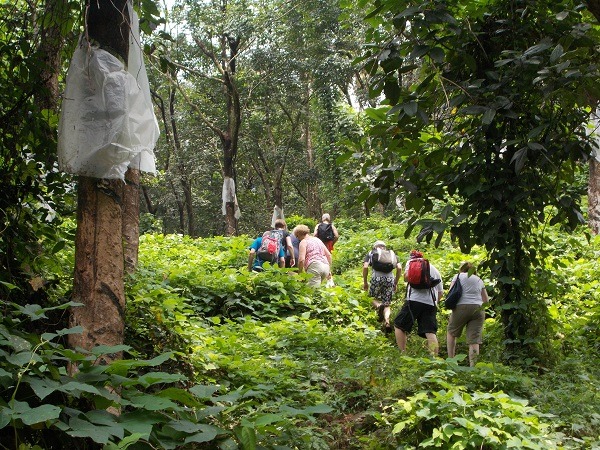
The trail climbing from the bridge to Ghangaria (approximately 13 km with significant elevation gain) follows the Pushpawati through rhododendron forests and cliffs. Ponies and porters are available for those who prefer not to walk.
Etiquette and Visiting Rules
- Cover your head before entering the gurdwara; scarves are typically available at the entrance.
- Remove your shoes before entering the prayer area.
- The langar is open to all; respect the silence and queue.
- Avoid alcohol and tobacco within the gurdwara premises.
Photography Tips
Morning light, before 8 a.m., is ideal on the suspension bridge and at the confluence. Reflections on the Alaknanda are sharp at this hour. Inside the gurdwara, ask for permission before photographing worshippers at prayer.
Location and Access
Govindghat is located in Chamoli district, Uttarakhand. The nearest town with banking facilities and hospitals is Joshimath, approximately 19 km to the south. Rishikesh, the usual starting point for travellers, is several hours away by road. No road extends beyond Govindghat towards Ghangaria: from here, travel is exclusively on foot, by horse, or by helicopter (seasonal service available in certain years).
Nearby Attractions
- Valley of Flowers — UNESCO-listed national park, accessible from Ghangaria; peak blooming occurs in July-August.
- Hemkund Sahib — High-altitude Sikh sanctuary on the shore of a glacial lake; major pilgrimage from June to September.
- Joshimath — Staging town with temples, markets, and access to the Auli ski slopes.
- Badrinath — Vishnuite temple of the Char Dham, approximately 24 km north of Govindghat.
Frequently asked questions
June to September for the Valley of Flowers (peak bloom in July-August) and May to October for Hemkund Sahib. The region closes in winter due to snowfall.
Yes. The gurdwara offers free accommodation (donations welcome) and meals. Private hotels and dharmashalas supplement the options, especially useful during peak season.
Yes, a national park entry permit is required. It is obtained at Ghangaria, not at Govindghat. Contact park authorities for current rates.
A helicopter service to Ghangaria has operated in certain seasons, particularly for pilgrims with mobility restrictions. Availability varies year to year; check before your departure.
The trail is approximately 13 km with significant elevation gain. Allow 5 to 7 hours depending on your pace and acclimatisation. Ponies are available for part of the journey.
Absolutely. The gurdwara and langar are open to all, regardless of religion. Simply cover your head and remove your shoes at the entrance.
Photos
Want to discover this destination?
Our local advisors design your tailor-made trip.