Coonoor
Coonoor
A hill station in the Nilgiris of Tamil Nadu, Coonoor combines lush tea plantations, a UNESCO train, and breathtaking viewpoints. Our guide to visiting well.
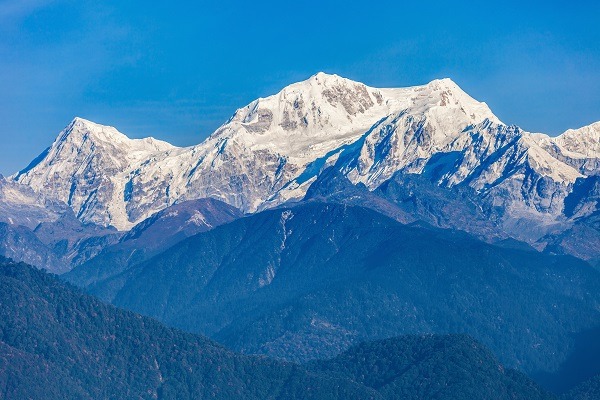
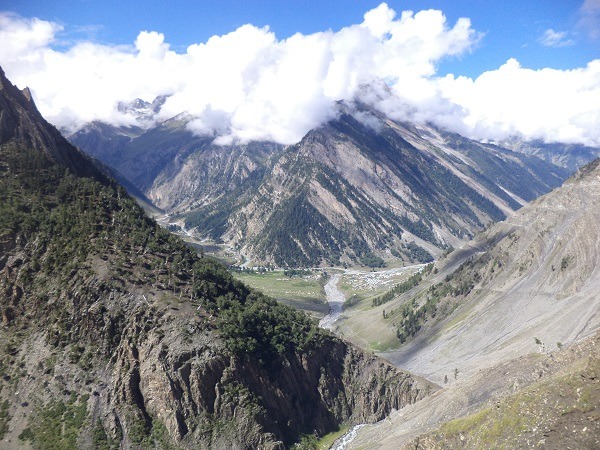
The city of Coonoor sits at an elevation of 1,550 metres in the heart of the verdant Nilgiris mountains in Tamil Nadu State. With breathtaking landscapes and tea plantations, this destination will fully satisfy your desires for escape and relaxation in nature, a journey punctuated by delightful interludes in the town's tea rooms. Welcome to the Blue Mountains!
History
Coonoor enjoys a privileged position in the heart of the Nilgiris, the "Blue Mountains." It was British governor John Sullivan who first fell in love with the region's charm after experiencing the benefits of its lush nature during an expedition to the eastern plateau in May 1819. Alongside French naturalist Jean-Baptiste Louis Claude Théodore Leschenault de la Tour, he played a crucial role in promoting the region.
Sullivan was not spared the ailments that afflicted Europeans exploring India's plains. Legend has it that once he reached the heights of the Nilgiris near Coonoor, the English administrator miraculously regained his strength. Between 1820 and 1827, with the support of East India Company directors, the general championed the development of this part of the Blue Mountains. He proposed establishing a sanatorium to treat sick European units in India. Noticing the declining health of troops subjected to heat and dust in the plains, the British accepted Sullivan's project. The region was equipped with its first railway lines, including the Blue Mountain, to facilitate the transport of the sick.
While Europeans receive credit for the region's development, its original inhabitants were the Danayakas and the Todas. The old traditional houses on the outskirts bear witness to these tribes' presence in the region.
Today
Perched at 1,850 metres elevation in the Nilgiris, Coonoor stands as the second-largest city in the Blue Mountains, after Ooty. Its privileged location and natural landscapes make the city an exceptional tourist destination in Tamil Nadu. Here, relaxation and escape are guaranteed amidst vast tea plantations, the region's primary economic activity.
The journey to Coonoor is made via railway, aboard a century-old train. Along the route marked by winding mountain roads, let yourself be seduced by the diverse landscapes unfolding before you. Listed as a UNESCO World Heritage Site, the Nilgiris Mountain Railway connecting Kallar to Ooty crosses 16 picturesque tunnels and offers stunning panoramas of the natural environment. Between cascading waterfalls, tea plantations, and mountain peaks, wonder is guaranteed. With its rustic hand-operated steam locomotive, the little train offers an enchanting interlude until your arrival in Coonoor.
Once you've set down your luggage at your guesthouse, don your explorer's outfit and set out to discover the station. Head towards the tea plantations that have made the Nilgiris famous. Tea arrived in the region around 1830, with the opening of the first tea factory in 1854, and this activity has continued through generations. The teas of this region, alongside products from Assam and Darjeeling, rank among the world's finest teas and are a source of pride for the Subcontinent. Grown at altitudes between 1,000 and 1,500 metres, Nilgiris teas are distinguished by their delicate, fruity character. To discover the secrets of production, arrange a visit to the historic Brook Lands factory, for a modest fee of 10 rupees.
As the Tea Capital, Coonoor boasts several tea rooms where you can savour these brews in convivial surroundings. During a flavourful interlude, treat yourself to a cup of black tea, a true delight that will delight both your palate and your senses. Also try the chocolate tea, a special blend promising an explosion of flavours and tastes.
Climate
From March to June, summer at Coonoor is characterized by temperatures ranging from 22°C to 37°C. Beginning in July, the monsoon season brings humid conditions with moderate rainfall. The winter season starts in December and runs through February, with temperatures oscillating between 10°C and 20°C.
The nearest airport to Coonoor is Coimbatore, approximately 70 km away, with connections to Mumbai, Chennai, New Delhi, Hyderabad, Bangalore, and Singapore. A road network links the two cities. Coonoor is also connected to Mysore and Bangalore by road. As for the railway line, the station sits on the Ooty-Mettupalayam route.
Train is the best way to explore the Coonoor area. However, dedicated walkers can enjoy trekking. As throughout India, you'll also find rickshaws, taxis, and various car rental services with drivers.
What to Do in Coonoor?
- Enjoy a train journey
- Wander through tea plantations
- Trek in the Blue Mountains
- Taste the finest teas of the Nilgiris, and more
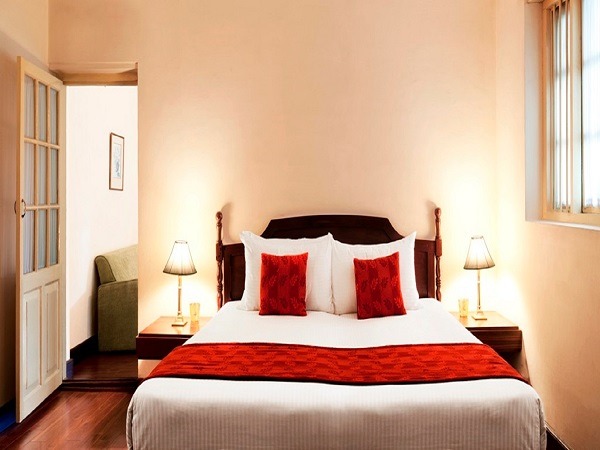
Accommodation in Coonoor
Want to discover this destination?
Our local advisors design your tailor-made trip.