Chennai (Madras)
Chennai (Madras)
Chennai, formerly Madras, gateway to Tamil Nadu: Dravidian temples, colonial heritage, Marina Beach and the spiced cuisine of South India.
Warm, vibrant, and deeply rooted in its traditions, Chennai, formerly known as Madras, is a fascinating gateway to South India. Capital of Tamil Nadu, this dynamic metropolis captivates with its cultural wealth, traditional spiced cuisine, and exceptional architectural heritage. Between majestic temples, lively beaches, and historic quarters, Chennai offers a striking contrast between modernity and spirituality. Whether you're an art lover, passionate about Carnatic music and classical dance like Bharata natyam, or simply a curious traveler, this city will cast its spell on you.
The city's history
Christians in the region associate Madras's history with the Apostle Thomas. The evangelist is said to have undertaken a journey to India to preach the good word to the Jewish colony residing in the region since the 7th century BCE. The saint died in the city in 72 CE. The city's suburbs, Santhome and St. Thomas Mount, echo this event.
In 1639, the British East India Company established itself in the small fishing village of Madraspattinam and made Madras one of its first outposts. At the time, the local population numbered approximately 7,000 inhabitants. Built by the English, Fort St. George today houses the administrative and legislative seat of the Tamil Nadu State Government. It is also a fine example of British colonial architecture.
During the 18th century, particularly during the War of Austrian Succession and the Seven Years' War, the port became a strategic point, fueling Franco-English rivalry eager to assert their authority over India. In 1746, the Count of La Bourdonnais, governor of Isle de France, easily seized the site after a brief naval battle.
The city of Madras was then razed on the orders of the governor of Pondicherry, Dupleix, before being returned to the British in 1748. In 1758, a new attack was launched by the French army, led by the Count of Lally, known as Lally-Tollendal, but the city resisted the assault.
The year 1761 marked the decline of French rule in India, including the destruction of the city of Pondicherry. George Town district began its expansion and subsequently became the modern city of Madras. By 1901, the local population had risen to 540,000 inhabitants. Madras was India's principal settlement in the South of the subcontinent.
From Madras to Chennai, a return to roots
Madras became Chennai in 1996, as part of a broad movement of cultural and identity reclamation launched by several Indian states after independence. The name "Madras" had been popularized during the British colonial period, but it did not reflect the city's Tamil local roots. The Tamil Nadu government therefore decided to return to a more traditional and indigenous name: "Chennai", which is believed to be derived from "Chennapattinam", an ancient village near Fort St. George, or from a local chief named Damarla Chennappa Nayakudu.
What to see and do in Chennai?
Chennai ranks fourth among the largest urban agglomerations in the subcontinent, with approximately 8 million inhabitants. Blending tradition and modernity, it presents itself as an eclectic city. Culture and artistic tradition are perpetuated here, while leaving room for various forms of economic and technological development.
During your visit to Chennai, you will have the privilege of discovering not only a host of architectural monuments such as temples, mosques, and churches, but also pleasantly developed beaches and parks.
1. The Kapaleeshwarar Temple
Located in the heart of the historic Mylapore district, the Kapaleeshwarar Temple is one of the finest examples of Dravidian architecture in Chennai. This religious building dedicated to Shiva is distinguished by its richly sculpted and colorful entrance tower (gopuram), standing over 35 meters tall.
As soon as you cross its threshold, the scent of incense and the tinkling of bells envelop you. You can observe daily ceremonies here, admire finely crafted statues, and, if you wish, attend a puja, a spiritually powerful moment in Hindu culture.
2. St. Thomas Basilica
Rare in Asia, this basilica is one of only three major buildings constructed over the tomb of an apostle of Christ, in this case St. Thomas. Built in the late 19th century in Neo-Gothic style, it houses the saint's relics in a modest yet moving crypt.
While visiting the interior, you will discover beautiful stained glass and a peaceful atmosphere that contrasts with the city's hustle and bustle. This site is an important pilgrimage destination for India's Christian community.
3. Marina Beach
Extending nearly 13 kilometers, Marina Beach is one of the world's longest urban beaches. You can stroll here at sunset, enjoy roasted corn, or watch families taking in the sea breeze. Swimming is discouraged due to strong currents, but the location is perfect for experiencing Chennai's energy and admiring its commemorative statues. In the morning, it's also a popular spot for jogging and yoga.
4. Government Museum Egmore
The Government Museum Egmore is a must-visit for history and art lovers. Housed in an elegant 19th-century building, this museum contains a remarkable collection of artifacts, bronze sculptures from the Chola era, paintings, and archaeological objects. It also features a section dedicated to natural history and an art gallery for children.
5. T Nagar and Pondy Market
If you enjoy lively shopping, be sure to visit T Nagar. This Chennai commercial district is famous for its gold jewelry, silk textiles, and traditional clothing. Shops follow one another in joyful chaos, displaying everything from luxury pieces to more affordable items. Nearby, Pondy Bazaar offers a colorful mix of textiles, spices, and artisanal products. You'll certainly find an authentic souvenir here.
6. The Mylapore District
Mylapore is the spiritual soul of Chennai. In addition to the Kapaleeshwarar Temple, you'll discover streets full of life, old houses, and small cafés where you can savor local filter coffee. It frequently hosts festivals featuring Carnatic music and Bharata natyam dance.
7. VGP Universal Kingdom
If you're traveling with children, this beachfront amusement park, hugely popular with local families, should be included in your itinerary. It combines thrilling rides, a water zone, and cultural shows. The little ones will find plenty to enjoy, while adults can relax on the adjacent beach.
8. Mahabalipuram
About an hour's drive from Chennai lies Mahabalipuram. This UNESCO World Heritage Site is famous for its monolithic temples and rock carvings dating from the 7th century, notably the majestic Shore Temple. While exploring, you'll also discover sculpture workshops still in operation.
9. Dakshinachitra
Another attraction to discover near Chennai, about thirty kilometers to the south, is Dakshinachitra. This open-air museum showcases South Indian culture and traditions by presenting reconstructed traditional houses, handicraft demonstrations, and dance performances. The visit is immersive and gives you the impression of traveling through different states without leaving the site. A perfect place to better understand the region's cultural diversity.
10. Local cuisine
Finally, during your visit to Chennai, don't miss discovering its culinary richness. Here, Tamil Nadu's flavors blend with influences from elsewhere, offering a varied palette of dishes to explore. Try the biryani, available in local versions such as Dindigul or Ambur, both savory and fragrant. Be tempted by Mulligatawny soup, a legacy of the colonial era, or Mysore Pak, a melting dessert that divides enthusiasts. Seafood lovers? You'll appreciate Nethili, crispy fried anchovies spiced with masala.
Where is Chennai located?
Chennai is nestled on India's south-east coast, in the state of Tamil Nadu. It is situated approximately 345 km north of Pondicherry, the former French colony, and 700 km northeast of Bangalore. Bordered by the Bay of Bengal, the city is administered by the Greater Chennai Corporation, India's oldest municipal administration. Thanks to its historic port, it is a commercial hub in the country's South.
Chennai has an international airport served by several European and regional airlines. You can reach it from New Delhi, Mumbai, Singapore, Dubai, and other major Asian and European cities.
Transportation in Chennai comes in various forms. Among the preferred means of locomotion, you'll find the traditional rickshaws. These vehicles do not have meters, so take time to negotiate the fare well before departing. For trips between Chennai and Pondicherry, you can opt for public buses.
The city also has an extensive network of taxis. Tickets are available at relatively affordable rates at the city's airport. Chennai is also served by a modern metro system, which is handy for avoiding traffic congestion.
When to visit?
The best time to visit Chennai extends from November to February. The climate is then milder, with pleasant temperatures around 25°C and more bearable humidity levels. From March to May, the heat becomes stifling and can exceed 40°C. The monsoon period, from June to October, brings heavy rainfall and marked humidity, which can complicate some outdoor visits.
What language is spoken in Chennai?
Tamil is the official language and most widely spoken in the city. English is widely used in administration, tourism, and commerce, which facilitates communication for travelers. You'll also hear Hindi, but it remains less common than in North India.
Where to stay in Chennai?
Chennai's hotel offerings are varied and spread across several districts. T Nagar is convenient for shopping and local life, while Mylapore appeals with its traditional charm and proximity to historic sites. The waterfront, near Marina Beach, offers a more relaxing setting. The city center around Egmore, meanwhile, is ideal for quick access to museums and transportation.
Attractions in Chennai (Madras)
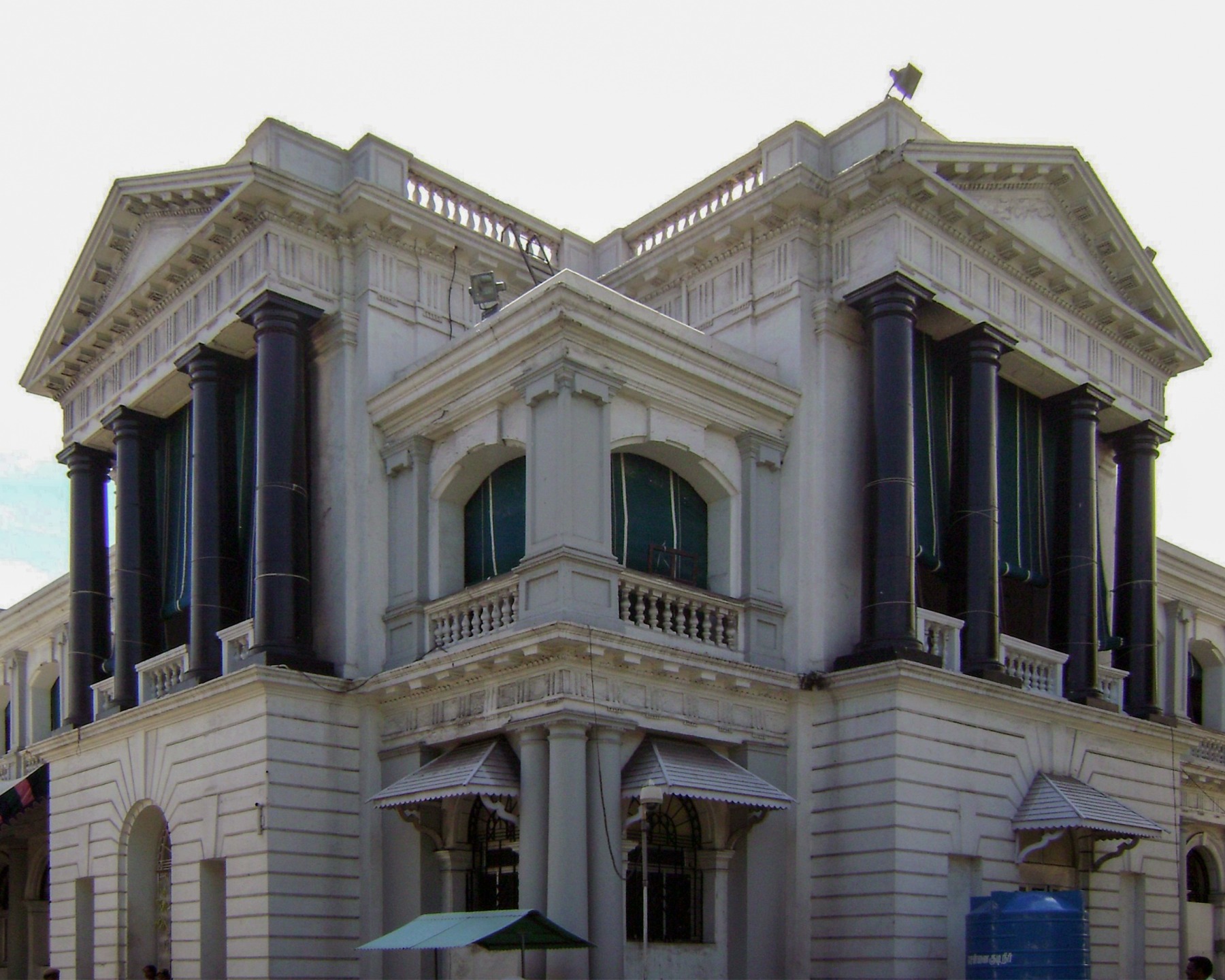
Fort Saint George
Premier bastion britannique en Inde, le Fort Saint George de Chennai abrite musée colonial, plus ancienne église anglicane du pays et siège du Tamil Nadu.
Kapaleeswarar Temple
Au cœur de Mylapore, le temple Kapaleeswarar est l'un des temples shivaïtes les plus actifs de Chennai. Son gopuram polychrome, son réservoir sacré et ses pujas quotidiennes en font un site majeur de la vie religieuse tamoule.
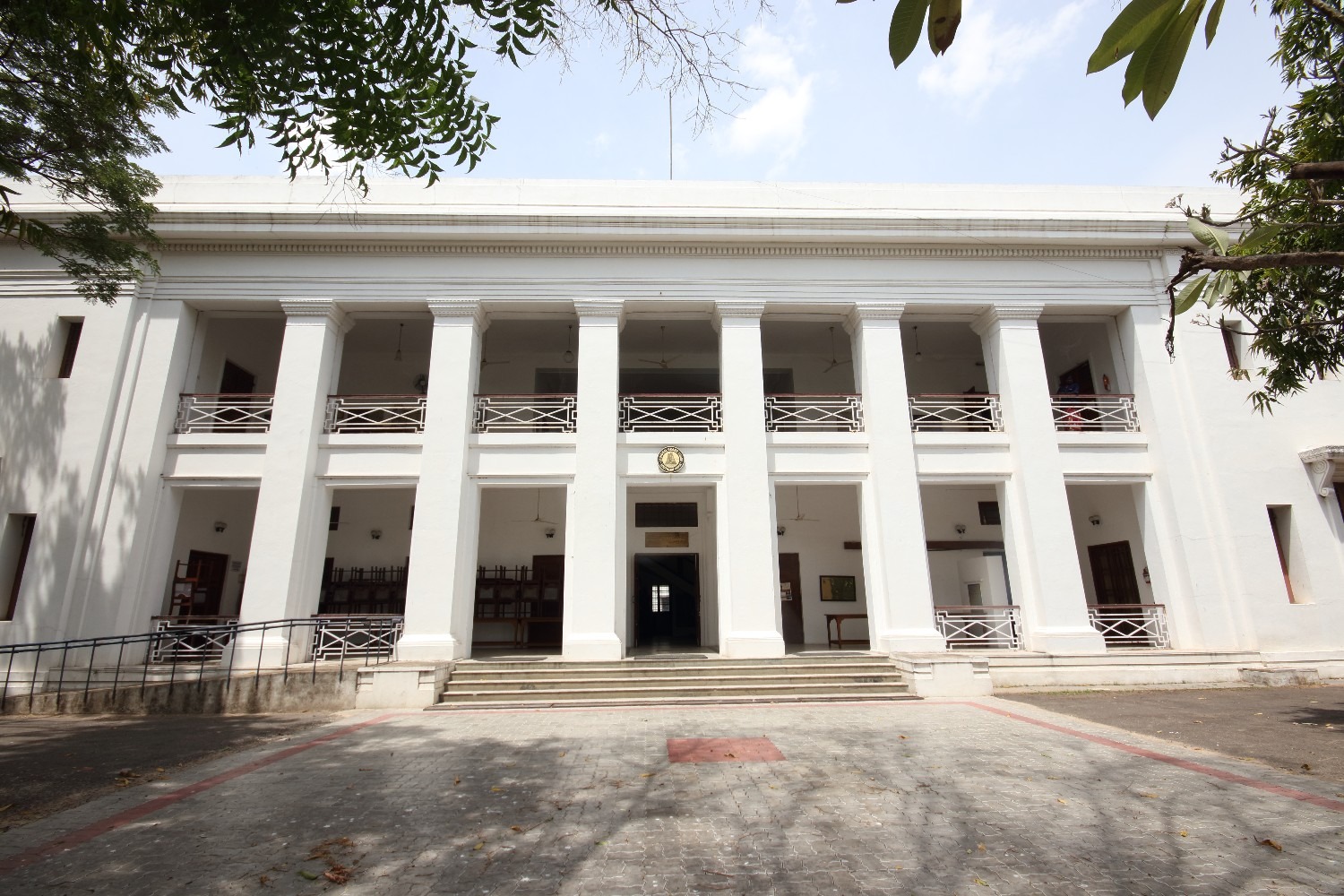
Le Hall des Francs
Édifice maçonnique néoclassique achevé en 1923 dans le quartier d'Egmore à Chennai, témoin discret de l'architecture coloniale britannique en Inde du Sud.
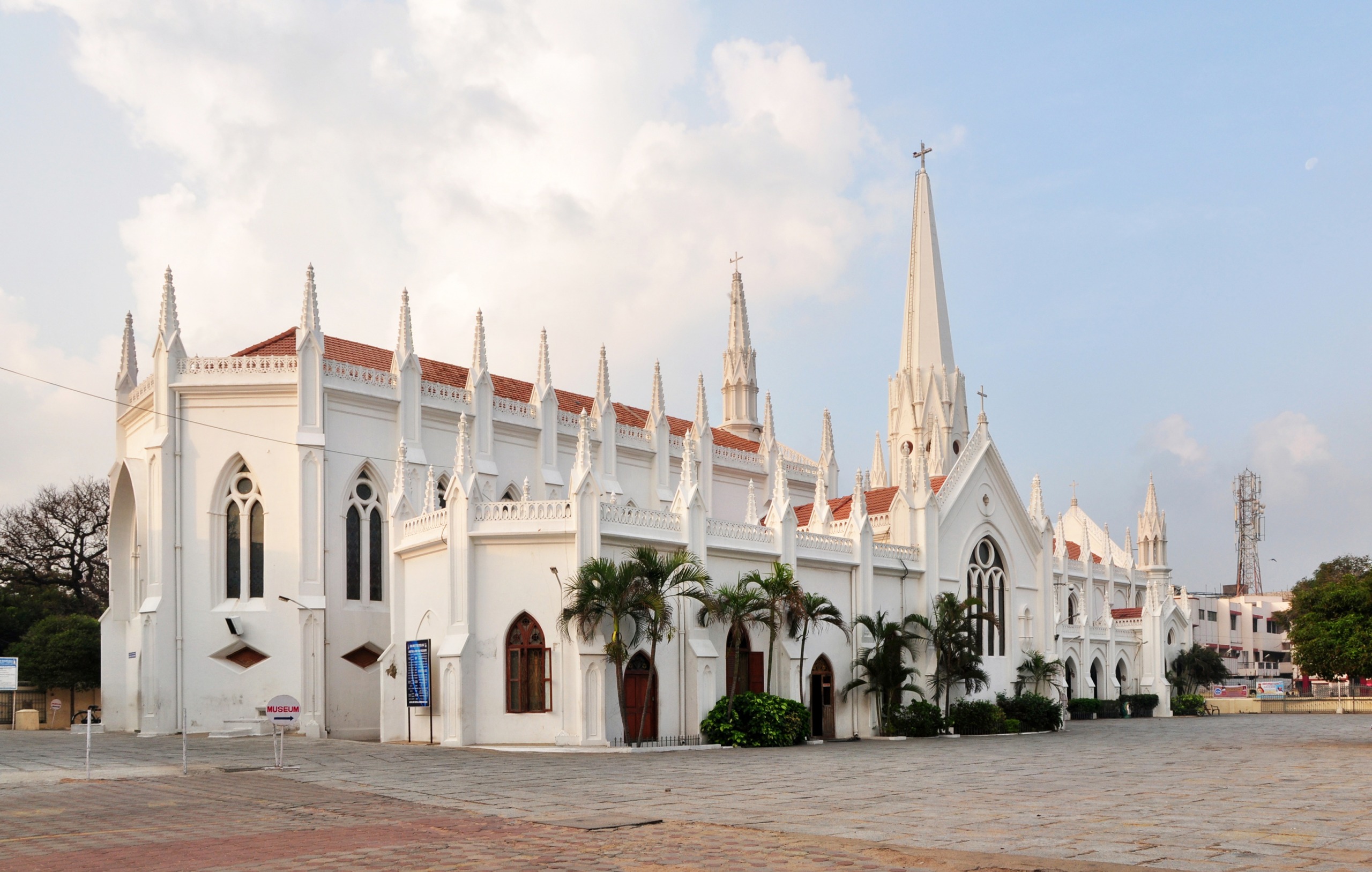
Basilique Saint Thomas
À Mylapore, au sud de Chennai, la Basilique Saint Thomas marque le lieu où l'apôtre aurait été enterré. Histoire, reliques et visite pratique.
Accommodation in Chennai (Madras)
See all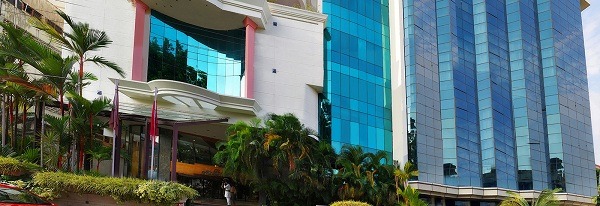
Residency Tower
Hôtel de confort urbain au cœur commercial de Chennai, le Residency Tower combine chambres insonorisées et restaurant rooftop The Crown.
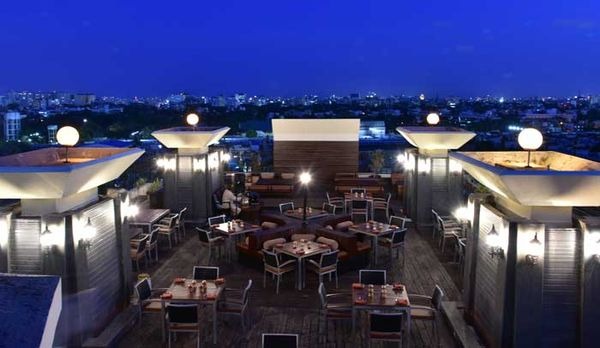
The Pride Hotel Chennai
Hôtel 3 étoiles à Chennai orienté confort urbain : spa, gymnase, infrastructure d'affaires complète et restaurant nord-indien Angare.
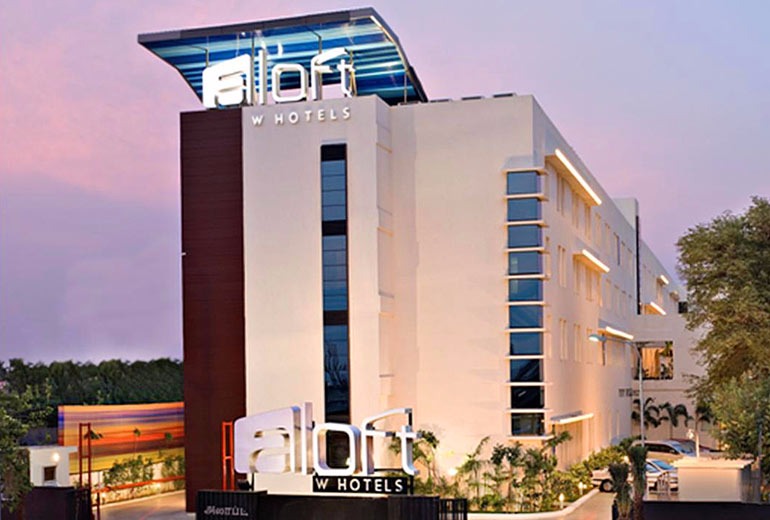
Aloft Chennai
Want to discover this destination?
Our local advisors design your tailor-made trip.