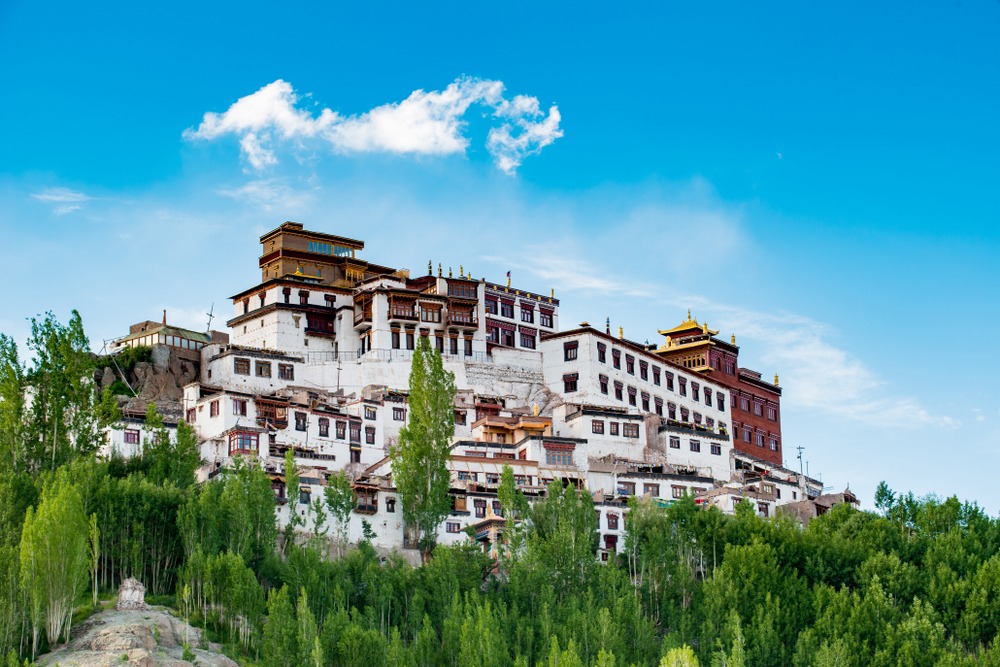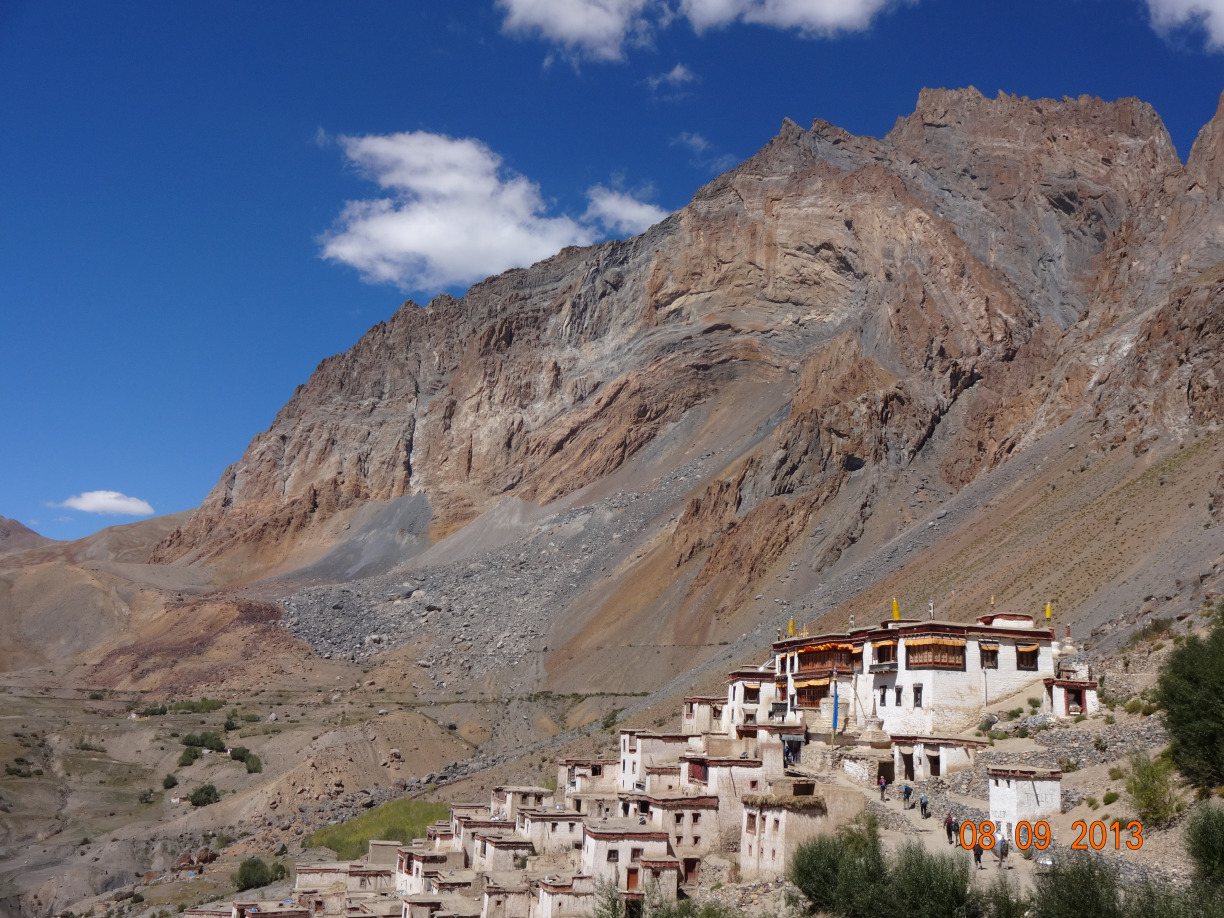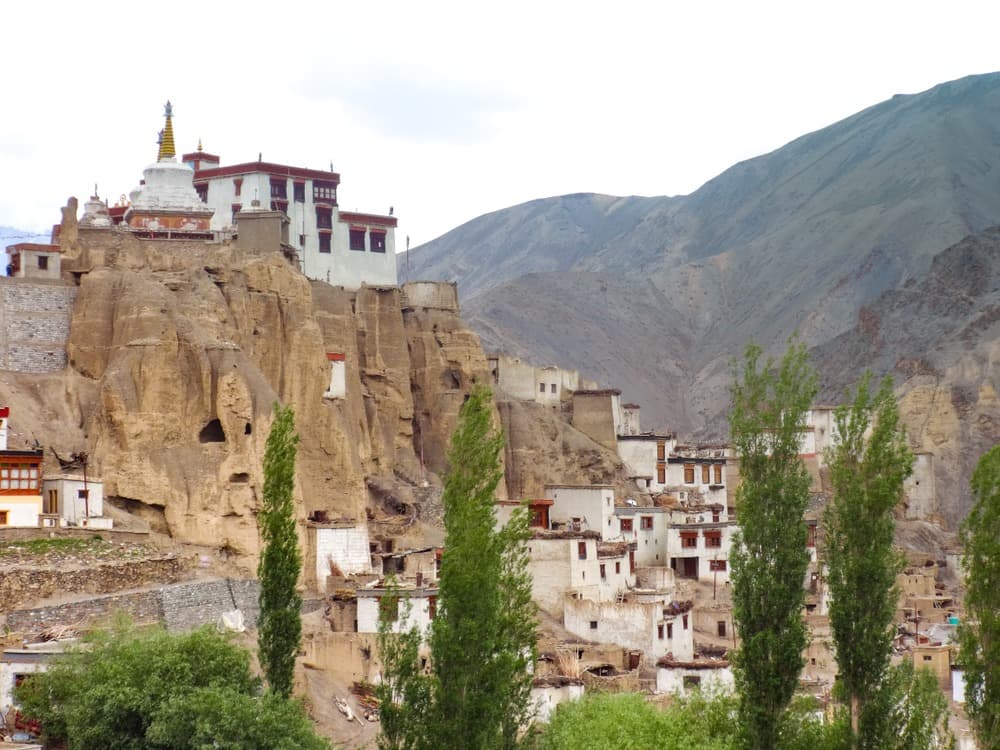
Alchi Monastery
Alchi Monastery
Located 67 km from Leh, Alchi Monastery preserves Buddhist frescoes of Kashmiri origin dating to the 11th century, among the oldest in Ladakh.
Approximately 67 km from Leh, on the banks of the Indus River, the Alchi Monastery (or Alchi Gompa) ranks among Ladakh's oldest Buddhist complexes. Its reputation stems less from its modest exterior than from its 11th-century murals, considered one of the major testaments to Buddhist art in the western Himalaya.
Why visit Alchi Monastery
Unlike most Ladakhi gompas perched on rocky outcrops, Alchi sits in a valley floor beside the river. The site stands out primarily for the quality of its original frescoes, which have remained in place for nearly a millennium, and for the distinctly Kashmiri influence in their style — a rare occurrence in Tibetan art. It represents a major cultural stop on the Leh – Lamayuru – Kargil route.
History of the Monastery
Alchi's foundation is traditionally attributed to the translator Rinchen Zangpo (958-1055), a major figure in the second spread of Buddhism through the western Himalaya, who was active primarily in Ladakh and western Tibet. The complex belongs to the Vajrayana tradition, later integrated into Tibetan Buddhism.
Under Rinchen Zangpo's direction, Kashmiri artists executed most of the paintings and sculptures that define the site's reputation today. Monastic activity declined over the centuries, and the complex fell under the administration of neighboring monasteries until the 15th century. It is now managed by monks from the Likir Monastery, who maintain it and oversee access for visitors.
What to See on Site
The complex comprises several buildings, three of which concentrate the principal artistic interest.
The Dukhang (Assembly Hall)
This is the central building, used for ceremonies. The walls bear murals depicting Buddha, accompanied by a large sculpture of Avalokiteshvara with Eleven Heads and elaborate mandalas. On either side of the entrance, painted panels depict scenes of secular life, valuable for understanding the iconography of the period.
The Sumtseg
A three-story building constructed in stone and wood, the Sumtseg exemplifies ancient Tibetan architecture in Ladakh. Inside stand three monumental bodhisattva statues whose robes are covered with miniature paintings depicting palaces, deities, and narrative scenes — a distinctive feature of Alchi's artistic tradition.
The Manjushri Temple
Smaller in scale, this temple is dedicated to the bodhisattva of wisdom. It houses frescoes and a central statue of Manjushri, completing the site's iconographic program.
Practical Information
- Admission: nominal entrance fee, with differentiation between foreign and Indian visitors.
- Hours: daytime opening, generally from morning through late afternoon.
- Photography prohibited inside: flash and moisture from visitors accelerate the deterioration of the paintings.
- Dress code: shoulders and knees covered, as in all Buddhist places of worship.
- Duration of visit: allow 1 to 1.5 hours to tour the three main temples.
When to Go
Ladakh is highly seasonal. The accessible period generally runs from late May to early October, when the Srinagar – Leh road and routes from Manali are open. In winter, mountain passes close due to snow and overland access from the rest of India becomes impossible, though Leh remains connected by air. July and August offer the most stable conditions but also attract the most visitors; June and September are excellent compromises.
How to Get There
Alchi lies approximately 67 km west of Leh, on the road to Kargil. The route follows the Indus and passes near the confluence of the Zanskar and Indus, one of the region's most photographed viewpoints.
- By taxi: the simplest solution from Leh, on a day trip or combined with other monasteries in the valley.
- By bus: local Leh – Kargil buses serve the bridge below the village; you must then walk uphill (approximately 2 km).
- By two-wheeler: motorcycling is a very common option, provided you're accustomed to the altitude.
Nearby Attractions
- Zanskar / Indus Confluence at Nimmu, on the route from Leh.
- Likir Monastery, manager of the site, about thirty kilometers away.
- Lamayuru Monastery, further west, in a spectacular lunar landscape.
Frequently Asked Questions
Frequently asked questions
Allow approximately 1 to 1.5 hours for the three main temples. If incorporating it into an excursion from Leh with a stop at the Zanskar/Indus confluence, plan for a half-day to a full day.
No. Photography is strictly prohibited inside the temples to preserve the original murals, which are particularly sensitive to light and humidity.
The monastery remains open, but access from the rest of India is severely limited in winter, as overland roads are cut off by snow. The best period extends from late May to early October.
Plan Your Journey
To integrate Alchi into a circuit through the Indus Valley and beyond, explore our India travel ideas, customized and accompanied by our English-speaking local teams.
Interested in this visit?
We can include it in your personalised itinerary.