What do you eat when traveling to India?
Rich in colors and flavors, Indian cuisine is renowned as one of the world's most abundant and aromatic culinary traditions. One thing is certain: it leaves no one indifferent and promises an extraordinary gastronomic journey to all who experience it.
Rich in colors and flavors, Indian cuisine is renowned as one of the world's most abundant and aromatic culinary traditions. One thing is certain: it leaves no one indifferent and promises an extraordinary gastronomic journey to all who experience it... Discover the foundations of Indian gastronomy and the must-try recipes during a trip to India.
Indian cuisine in general
Indian cuisine is characterized by remarkable flavor diversity. Rich in spices, aromatic herbs, fruits and vegetables, it is built on a blend of warm and cold foods designed to maintain a healthy balance between body and spirit. It is also a cuisine deeply influenced by spiritual values, beliefs, and religions. This is why Indian dishes vary from region to region.
Given the various communities present in India, there are two types of cuisine:
Vegetarian cuisine
Many practitioners of Hinduism (notably Brahmins) are vegetarian, and some even vegan (consuming no meat, fish, eggs, dairy, or animal products). Jains and certain followers of Vishnu also practice strict vegetarianism.
Non-vegetarian cuisine
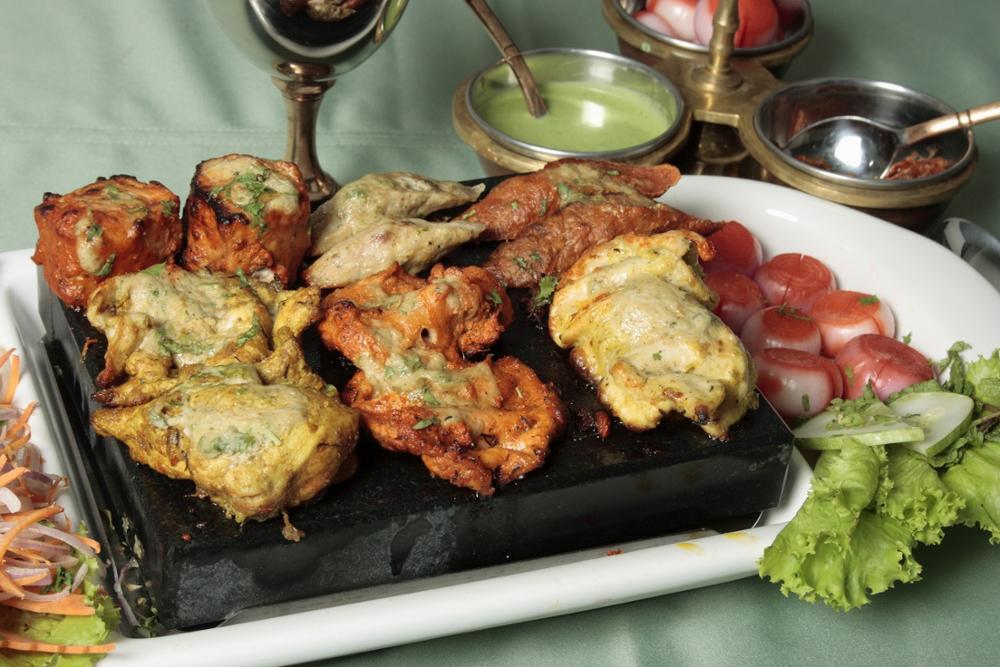
While the consumption of beef (a sacred animal in India) and pork is forbidden in Hindu, Jain, and Muslim communities, certain meats are nevertheless found in Indian cuisine. Non-vegetarian cooking typically includes chicken, lamb, mutton, and occasionally goat.
What are the differences between North Indian and South Indian cuisine?
As mentioned earlier, Indian cuisine is shaped by the country's geographic divisions. Each region offers its own culinary character with distinctive features and local products. To give you an idea, here are the main differences between North and South Indian cooking.
Northern Indian cuisine
Northern Indian cuisine is heavily inspired by Persian and Mughlai cooking. This region features the most meat-based dishes (such as tandoor preparations and Mughlai-style meat). Beyond meat, the staple ingredients of northern cuisine are basmati rice, legumes (lentils, chickpeas, red beans, etc.), and wheat flour, which locals use to make numerous breads that sometimes replace rice entirely.
Southern Indian cuisine
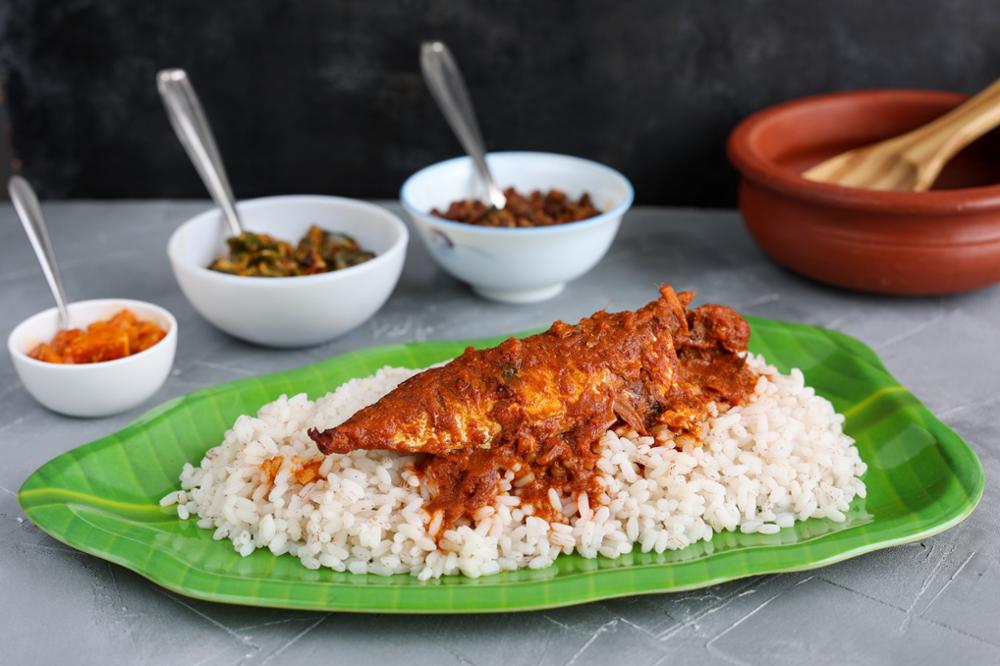
South Indian cuisine is essentially vegetarian. It consists primarily of rice, vegetables, and spicy sauces. That said, fish-based dishes are found in coastal regions. Worth noting: South Indian cuisine is known for being spicier than its Northern counterpart.
Must-try dishes on an India trip
Although there are significant differences between North and South Indian cuisine, it's common to find regional specialties throughout the country. Among the culinary delicacies you absolutely must try during a trip to India are:
-
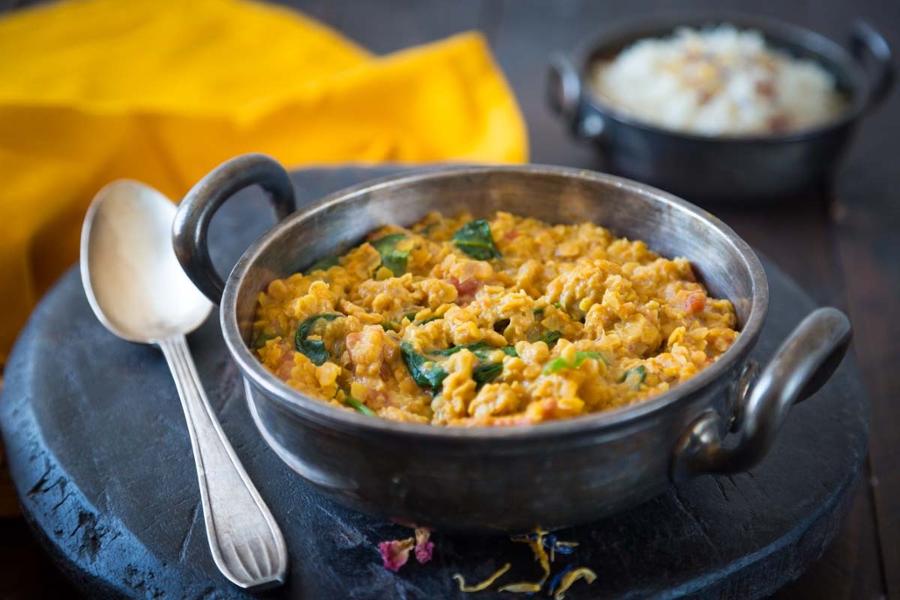
Dal (or dhal): this is THE staple dish found across the country. This lentil curry is typically served with rice, bread, or accompanied by meat or fish.
-
Tandooris: tandooris refer to all dishes cooked in a tandoor, a traditional clay oven from Northern India. Most consist of chunks of meat (the famous tandoori chicken) or fish that have been marinated in spiced yogurt before simmering in the tandoor.
-
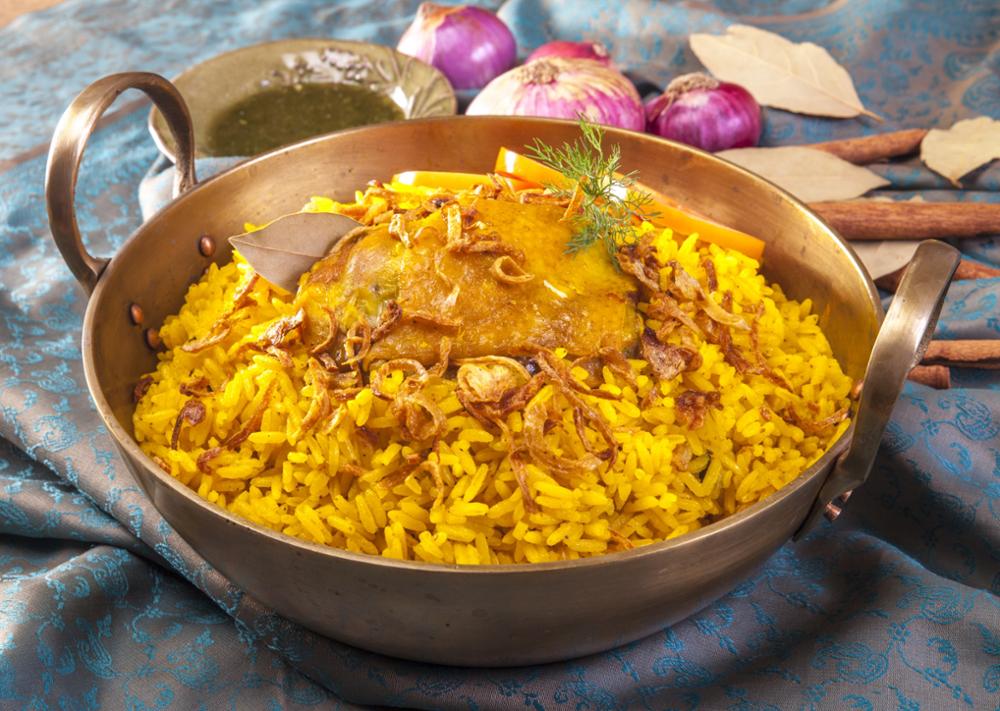
Biryani rice: Biryani rice is one of the most consumed dishes in India. It's basmati rice steamed and infused with saffron. It can be garnished with meat or prepared in a vegetarian version. This is the dish to choose if you prefer flavors that aren't too spicy or peppery.
-
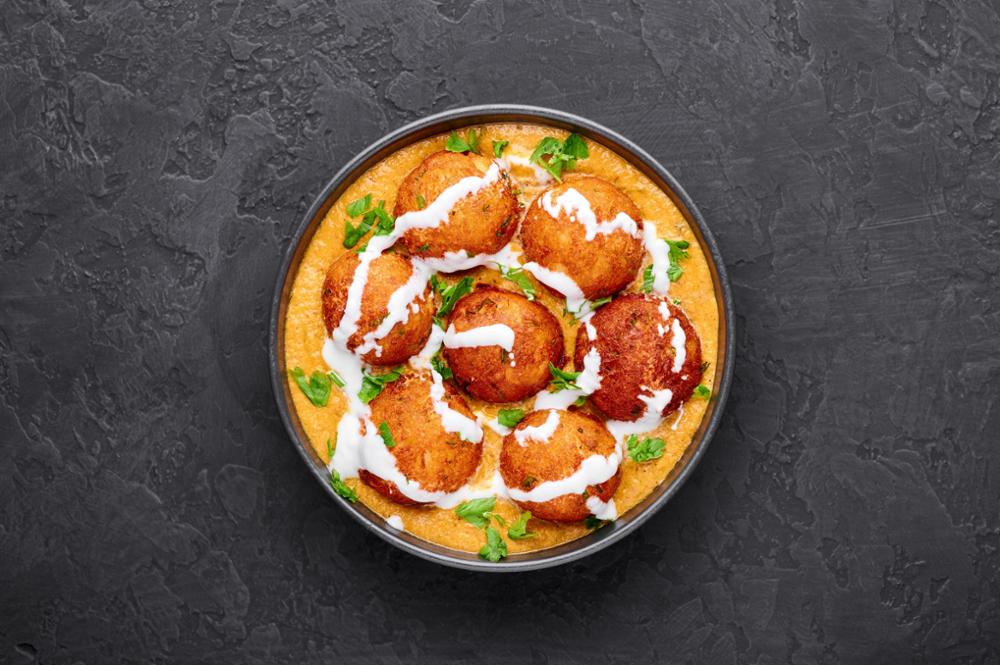
Kofta: these are meatballs or croquettes made from meat or vegetables, cooked in a spiced yogurt sauce.
-
Paneer: a fresh cheese often compared to English cottage cheese, used in many vegetarian recipes such as the famous Palak Paneer, made with spinach, tomato sauce, and spices.
-
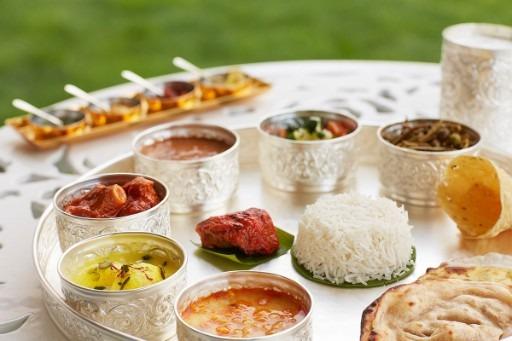
Thali: a traditional Indian dish enjoyed in all regions, thali isn't a single dish but rather a mix of several preparations: white rice, roti, curried vegetables, dal, sauces, etc.
-
Aloo Gobi: for those who love spicy dishes, Aloo Gobi is a traditional, highly peppery preparation. It consists of potatoes and cauliflower flavored with ginger, cumin, curry, and red chili.
-
Breads: varieties of Indian breads differ by region.
In the North, you'll mainly find roti (flatbread cooked in a tandoor), chapati (flatbread cooked on a cast-iron griddle called a tawa), and the famous Naan that everyone knows (leavened wheat bread mixed with milk and cooked in a tandoor).
In the South, popular breads include dosaï (or dosa), which take the form of thin crêpes made from rice or lentil flour. They're eaten plain or filled with potatoes and spices (masala dosai). There's also uttapam, a thicker bread paired with various ingredients that resembles pizza.
Florine Dergelet