3 Must-See Attractions in Jaipur
Jaipur is one of the newest cities on the subcontinent. Founded in 1727 in northwestern India, the city was built at a breathtaking pace. Just four years were enough to lay the foundations that define it today.
Jaipur is one of the newest cities on the subcontinent. Founded in 1727 in northwestern India, the city was built at a breathtaking pace. Just four years were enough to establish the foundations we know today. A safe and rewarding stop on any India journey.
Charming beyond measure, Jaipur is known as the "Pink City" ever since its entire structure was painted pink in 1876—a symbol of welcome for Prince Albert's visit. This city is young and dynamic. Its appeal continues to grow, notably thanks to its rather original infrastructure and monuments.
The Palace of Winds
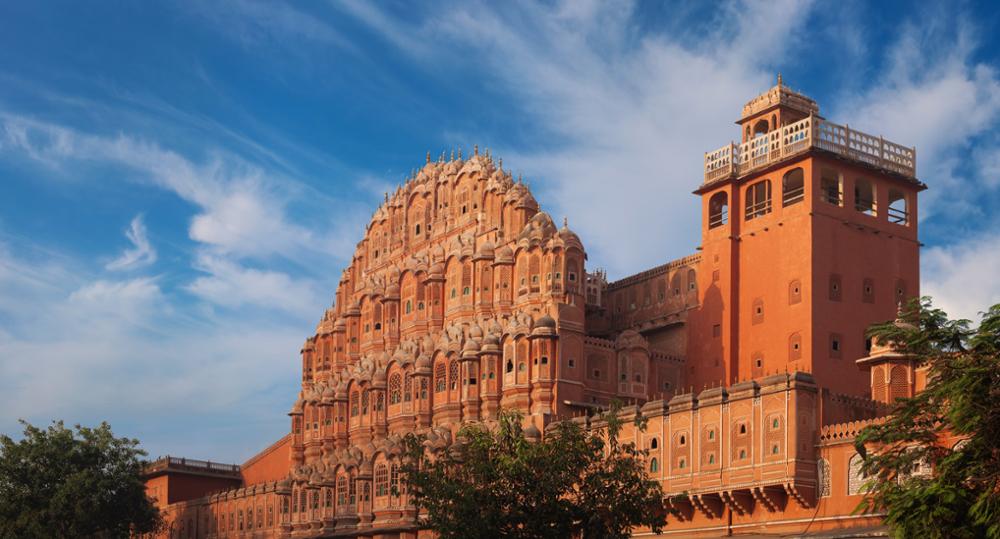
The Hawa Mahal and its 953 windows. This delicate yet majestic architecture captivates all who pass by. Its reddish-pink sandstone walls perfectly complement the architectural style of Rajasthan's capital. Its pyramidal form rises more than 15 metres high and is easily accessible for visitors. The interior harmonizes beautifully with the façade, offering a splendid view over the Futta Khurra bazaar. When built in 1799, the building's multiple windows allowed the ladies of the court, known as the harem, to observe the adjacent street without being seen, in keeping with purdah customs.
The Yantra Mandir Astronomy Observatory
Better known as Jantar Mantar, this observatory has been inscribed on the UNESCO World Heritage List since 2010. This freely accessible site houses numerous large-scale astrological instruments designed to observe celestial bodies.
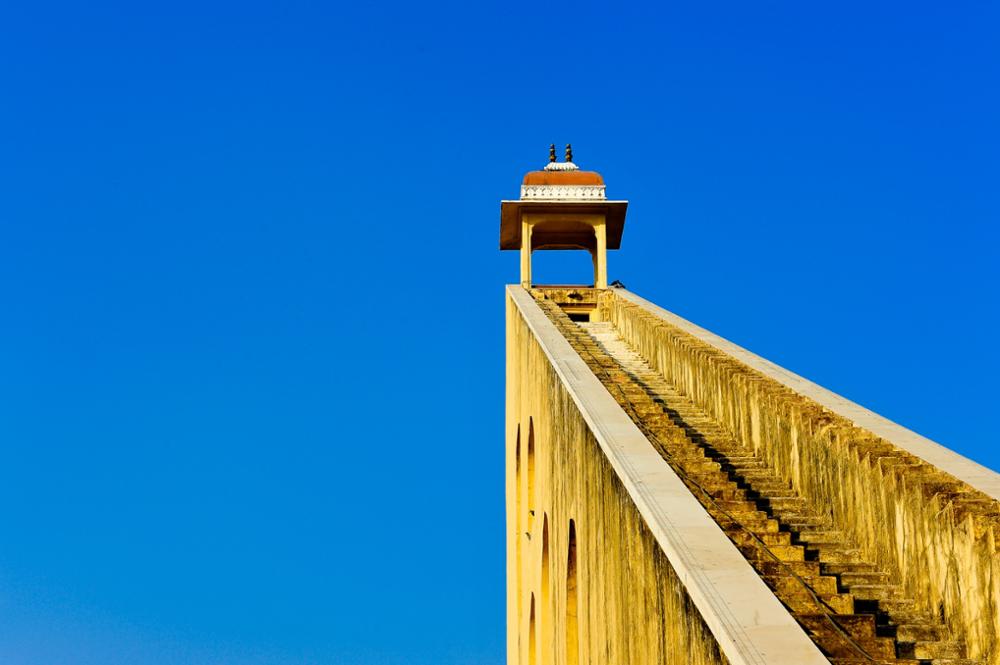
The Brihat Samrat Yantra is the world's largest equatorial sundial. Installed on a table parallel to the equator, this gigantic natural clock measures 27 metres high. It achieves flawless precision of just 0.5 seconds during the equinoxes.
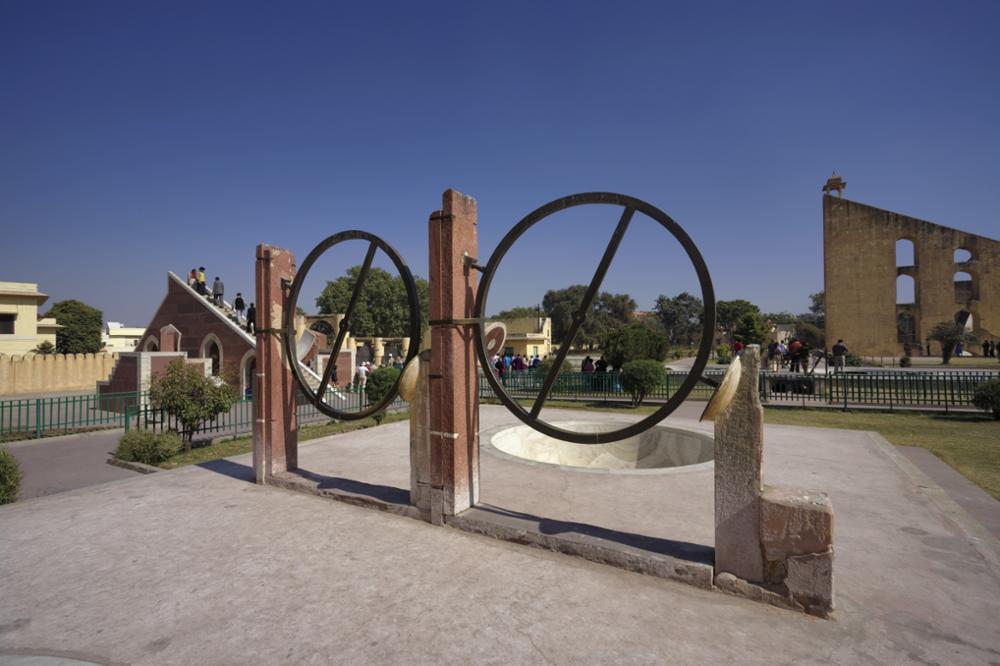
The circular pair known as the Chakra Yantra allows for precise determination of the coordinates, hour angle, and distance from the poles of any celestial body.
The Water Palace
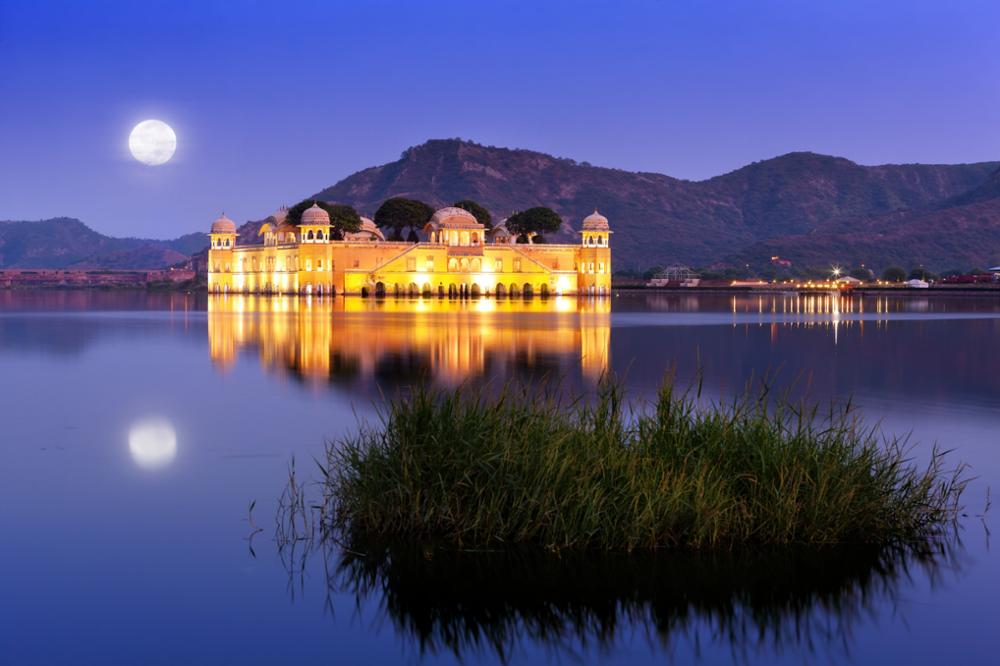
The Jal Mahal is a palace displaying the distinctive architecture of Rajasthan's Rajput style. It stands in the middle of Man Sagar Lake, to the northeast of Jaipur. Its aquatic isolation, set against the Nahargarh hills, grants it a particular elegance. The towers, each crowned with a large dome at the four corners of the palace, enhance this charm. When the lake is full, four of the palace's five storeys are submerged, giving it an almost Atlantis-like appearance. A mysterious marvel waiting to be discovered.
Thibault Bourru