Patel's Statue in Troubled Waters
The world's tallest statue, that of Patel, one of the founding fathers of independent India, inaugurated last October 31st, is set to become a key tourist destination for the subcontinent. However, its accessibility poses challenges.
The world's tallest statue, that of Patel, one of the founding fathers of independent India, inaugurated last October 31st, is set to become a key tourist destination for the subcontinent. Yet access presents a challenge: the country considered deploying seaplane service, but this would necessitate relocating hundreds of crocodiles.
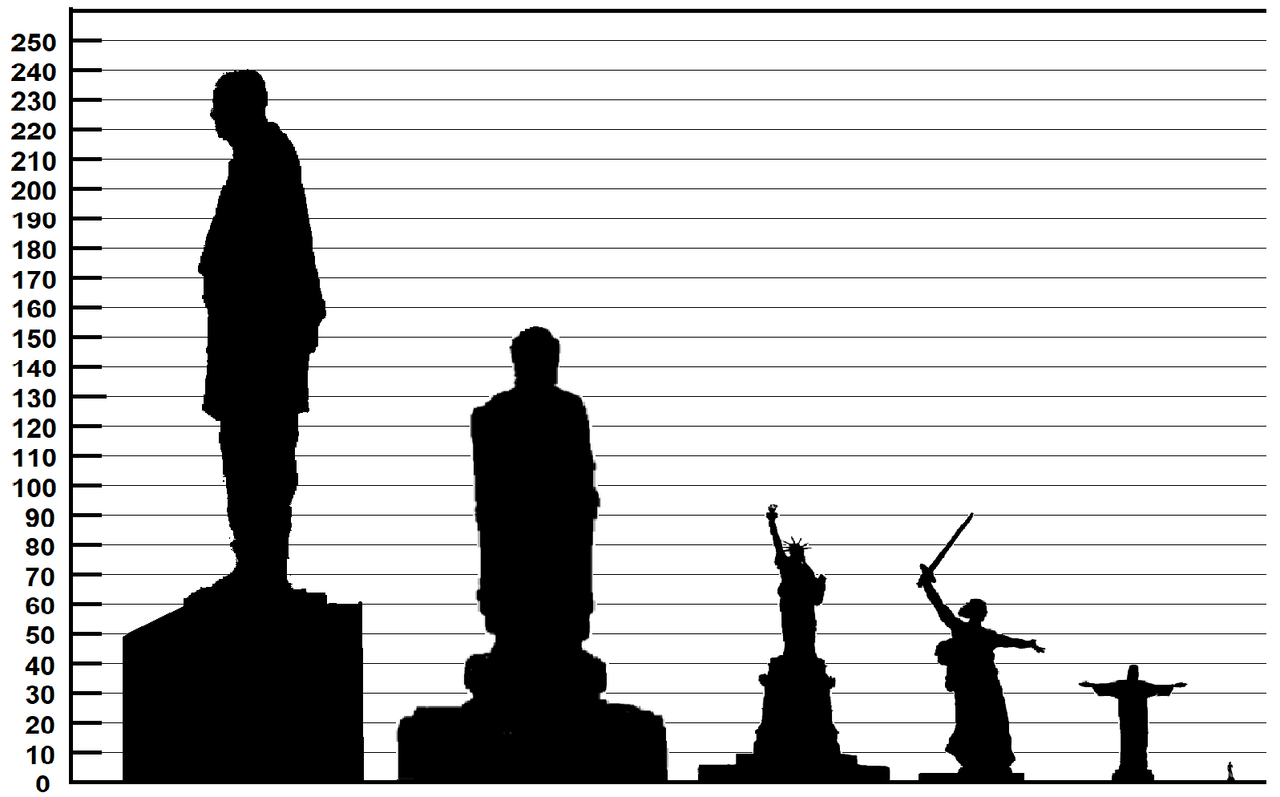
The State of Gujarat, birthplace of Gandhi and Patel, saw the arrival of a rather singular monument three months ago. The statue itself stands as the world's tallest. Excluding its base, it measures 182 meters—140 meters taller than the Statue of Liberty—at a total cost of €385 million. Three months after its inauguration, India is banking on it to further boost its tourism appeal. However, the remote nature of Gujarat's countryside has made it difficult for crowds to easily visit this monument, which sits on the banks of the Narmada River, 100 kilometers from the nearest major city, Baroda. Indian authorities' solution: install a seaplane landing dock. As a safety measure, they intend to relocate roughly 500 crocodiles from the surrounding ponds.
A Transfer Against the Law
Yet these reptiles belong to a protected species called Crocodylus palustris. "The forest service has begun evacuation operations with ten teams using fish as bait to lure crocodiles into cages," reports Courrier International. According to Jitendra Gavali, a scientist from Baroda interviewed by the outlet, "their relocation violates wildlife protection law." This is partly due to the transport conditions of the animals, but also to their new habitat—an artificial basin created by the Sardar Sarovar dam. "Females may become unable to lay eggs if the reservoir's slope exceeds 40 degrees. These reptiles need space on land to nest and to leave the water in winter," the scientist notes.
Thibault Bourru