Pune, India's City of Tomorrow
Just 150 km from Mumbai, the "Singapore of India" attracts lovers of modern India. With its temperate climate, dynamic economy and quality infrastructure, Pune, home to 5 million people, is elegantly turning toward the future.
Just 150 km from Mumbai, the "Singapore of India" attracts lovers of modern India. With its temperate climate, dynamic economy and quality infrastructure, Pune, home to 5 million people, is elegantly turning toward the future.
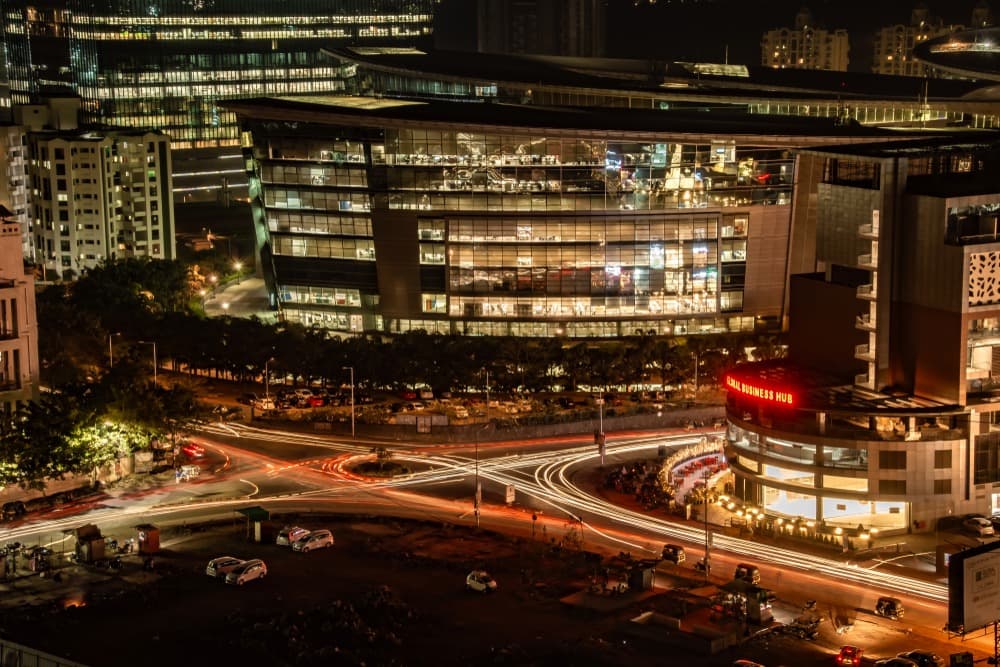
We won't serve you the tired cliché of contrasts between modernity and tradition—though it isn't without resonance in India—because what you notice about Pune is purely its modernity: young women riding scooters solo, gleaming shopping centers, fashionable restaurants, automotive traffic that flows with (almost) discipline despite congestion. From the chaotic fury of Indian cities, Pune has retained only the positive energy.
Located 150 km southeast of Mumbai (3 hours by car, 4 hours by train), Pune, built at 600 meters altitude where the Mutha and Mula rivers converge, enjoys a far more pleasant climate than the megapolis. Temperatures climb less steeply, monsoon rains fall less intensely. This is precisely where English colonists stationed in Mumbai would retreat during the monsoon season.
Since then, major industrial corporations have set up operations here, and Pune, with nearly 5 million inhabitants, now houses offices for numerous automotive companies (Tata Motors, Bajaj Auto…) and IT firms (Infosys, Wipro…). Its hundred-plus educational institutions earned it the nickname "Oxford of the Orient." Today its universities attract growing numbers of international students. Among them, the most celebrated is arguably the FTII, the national institute of cinema and television, which shaped some of Indian cinema's greatest names.
That's the backstory. But let's be honest: a tourist seeking centuries-old traditions will leave Pune disappointed. However, if you're looking for a weekend brimming with vibrant urban energy, look no further. The exceptionally rich Raja Dinkar Kelkar Museum houses nearly 20,000 objects collected from across India. Prince Dinkar Gangadhar, heir to a 20th-century Marathi royal family, assembled ancient jewelry, tribal ornaments, religious statues, but also ankle bells and pasta-making machines. Unfortunately, the pieces are poorly displayed under uncertain neon lighting.
Not far away rises Parvati Hill, whose four temples overlook the city. The panorama reveals roads and parks, rows of towers and patches of slums. At the foot of the slope, along the canal, stretches one of Pune's largest informal settlements, Janata Vasahat. Despite its development, Pune experiences sharp inequalities, reflecting the nation as a whole.
The atmosphere shifts come evening at the eco-chic ABC Farms complex. These former dairy farms have reinvented themselves as trendy restaurants with carefully curated ambiances. Lit gardens, hushed music, inventive menus: if hipsters existed in India, this is where they'd congregate. Then there's a stroll through the affluent Koregaon Park neighborhood. On display, ostentatious wealth rivaling Beverly Hills. The mansions, sprawling behind wrought-iron gates or fortified portals, alternate between Victorian manor houses and pristine modern villas.
Yet it's not the grand homes that draw so many foreign tourists to the area. Two streets over, the sidewalk swarms with men and women in long maroon robes. We're at the Osho ashram, a controversial new-age guru whose teachings captivated many Westerners in the 1970s. Osho earned his controversial reputation through his permissive views on sexuality and sectarian practices. Since the guru's death in 1990, the ashram has transformed into a high-tech multidisciplinary meditation center, nestled in meticulously manicured nature meant to lead toward inner peace. Though you might just as easily find it in the frenzy of downtown, depending on your karma.