India's Immense Kumbh Mela Pilgrimage Has Begun in Allahabad
The Kumbh Mela is a pilgrimage literally meaning 'festival of the pot' and represents a purifying bath of sins in the waters of the Ganges for Hindus. A time to
The Kumbh Mela is a pilgrimage literally meaning 'festival of the pot' and represents a purifying bath of sins in the waters of the Ganges for Hindus. A moment to recall the legend of the churning of the ocean of milk. It is considered the world's largest religious and human gathering. Nearly 100 million people are expected during these two months of pilgrimage. It takes place four times every 12 years in the cities of Allahabad (Prayag), Haridwar, Ujjain, and Nashik.
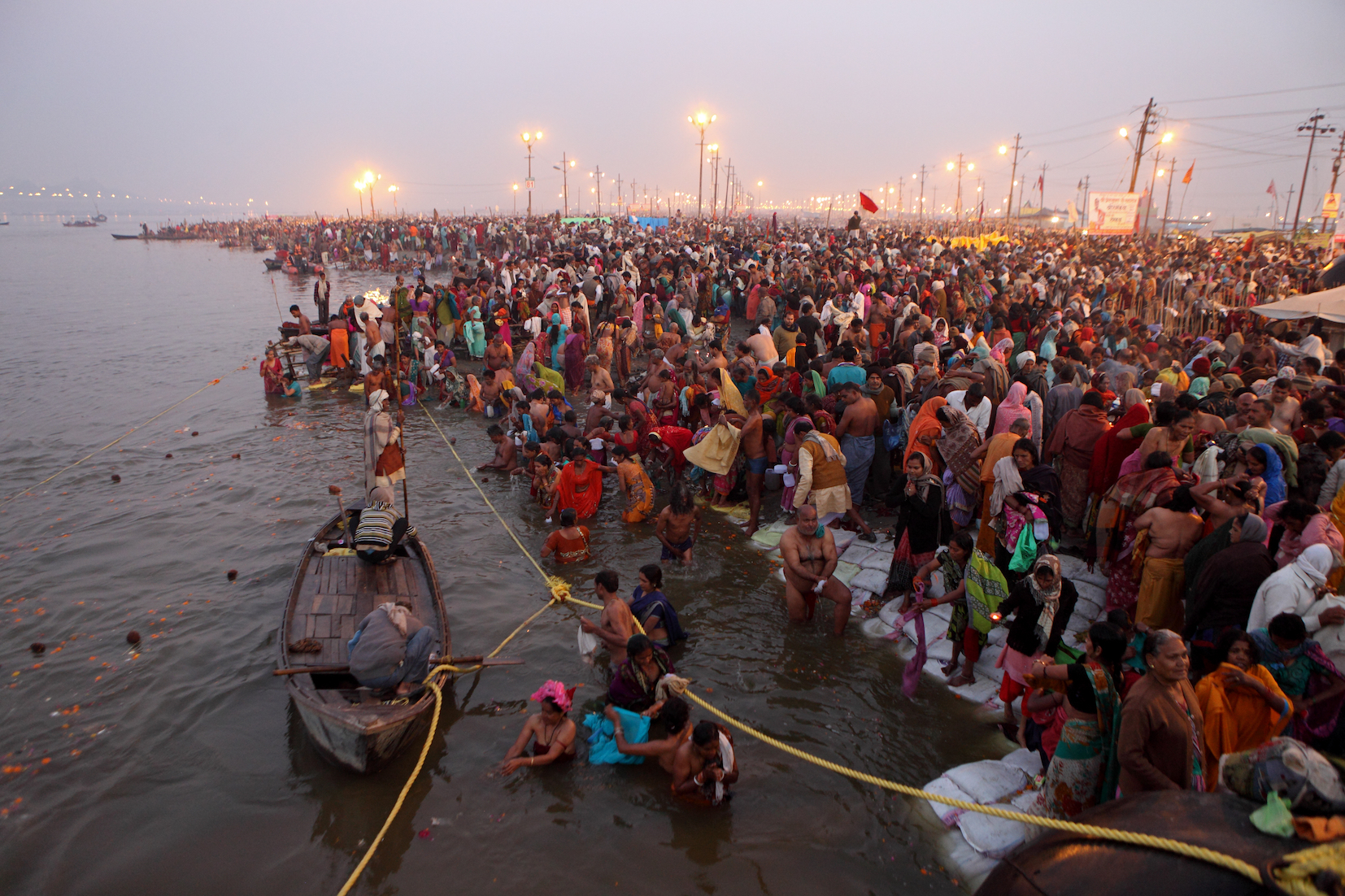
At Allahabad, or Prayag, the Ganges and Yamuna rivers converge. During the Kumbh Mela, the faithful gather at this confluence to cleanse themselves of their sins. They come from all corners of India, the majority traveling by train eastward, covering the 650 kilometers separating New Delhi from Prayag. Entire families make the journey to participate in the world's largest religious gathering.
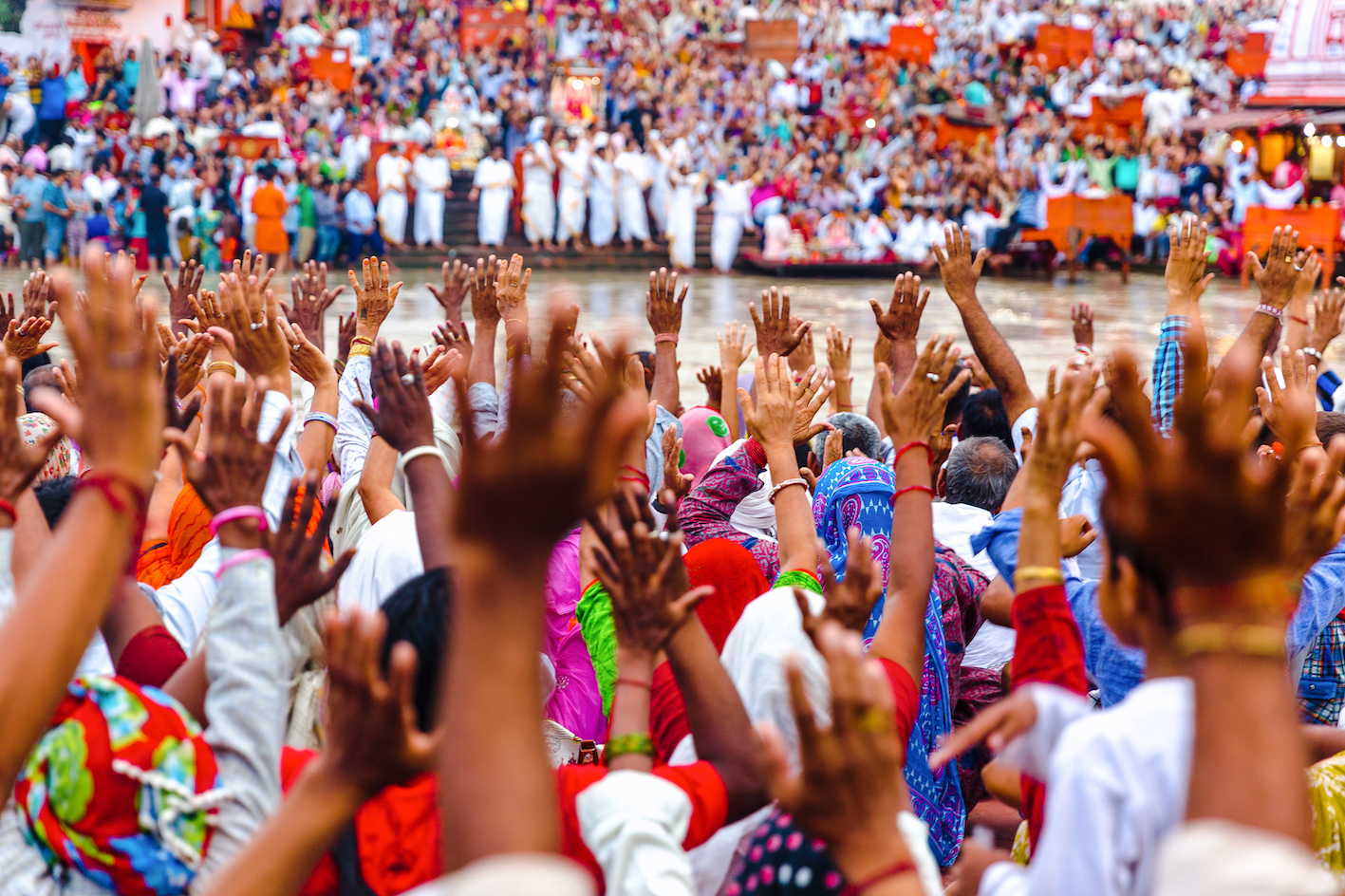
An Orchestrated Ceremony
The first to take the stage are the sadhus, warriors of Shiva, god of Destruction and member of the trimurti. Devotees revere them upon their arrival. They enter first, nearly naked, into the Ganges to open the way. The sadhus receive their blessing, and after immersing themselves, they emerge from the river to anoint themselves with sacred ashes. The faithful wait for them to leave the water before they can enter.
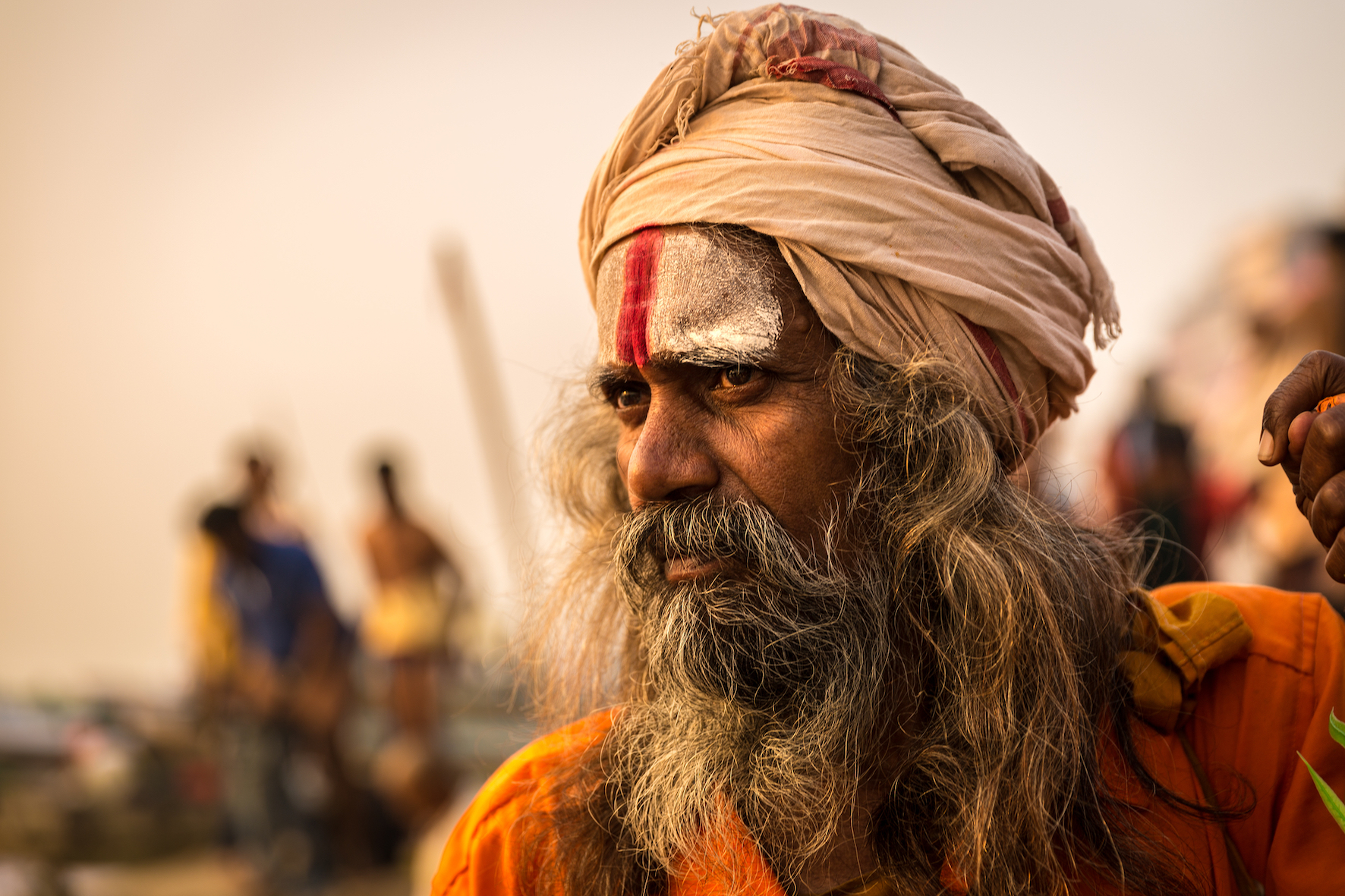
A sadhu present at Kumbh Mela
Thibault Bourru