Where to Spot Tigers in India?
With incredible biodiversity, India's national parks cover nearly 100,000 km² of the country. It's no wonder these vast territories are the preferred habitat of the jungle's king. Despite poaching and deforestation, India's reserves and sanctuaries are committed to protecting local flora and fauna.
With incredible biodiversity, India's national parks cover nearly 100,000 km² of the country. It's no wonder these vast territories are the preferred habitat of the jungle's king. Despite poaching and deforestation, India's reserves and sanctuaries are committed to protecting local flora and fauna. The result? Tiger populations are gradually increasing, much to the delight of nature lovers! And that's not to mention the parks' relentless efforts to preserve the environment. Discover the best places to spot tigers in India, in their natural habitat.
1. Jim Corbett National Park
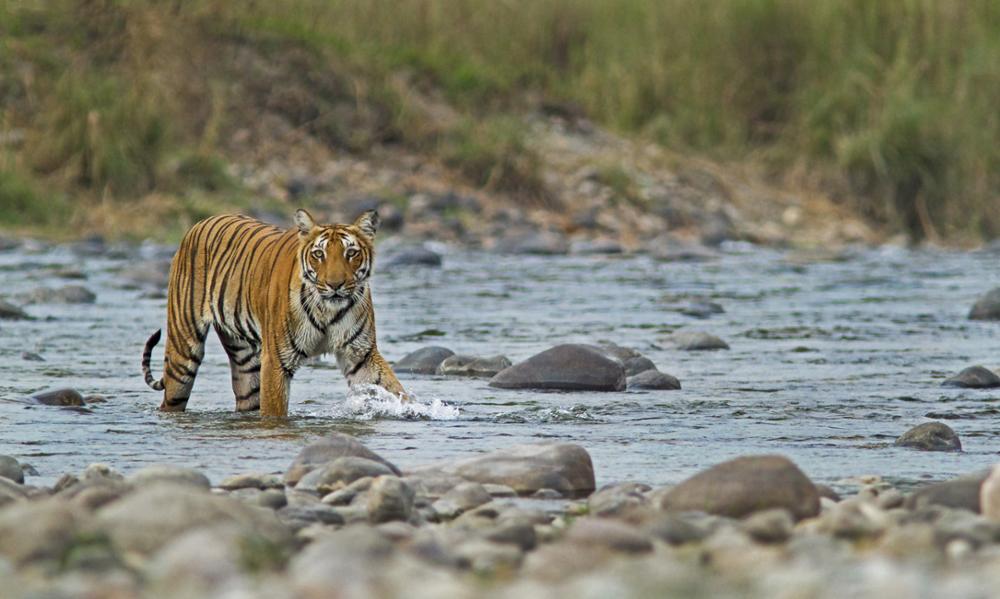
It's the most renowned park for observing wild tigers in India. Located in the foothills of the Himalayas, Jim Corbett National Park is the oldest and one of the largest (1,200 km²) in the country. But more importantly, it's the park with the highest density of wild tigers in India. If a safari adventure appeals to you, you'll also have the chance to observe other rare wildlife such as leopards, elephants, sambars, axis deer, and many more species.
For a bit of history, the park is named after an Englishman once renowned as an exceptional big cat hunter and man-eater tracker. Remarkably, Jim Corbett later became the pioneer of wildlife conservation in India!
2. Ranthambore National Park
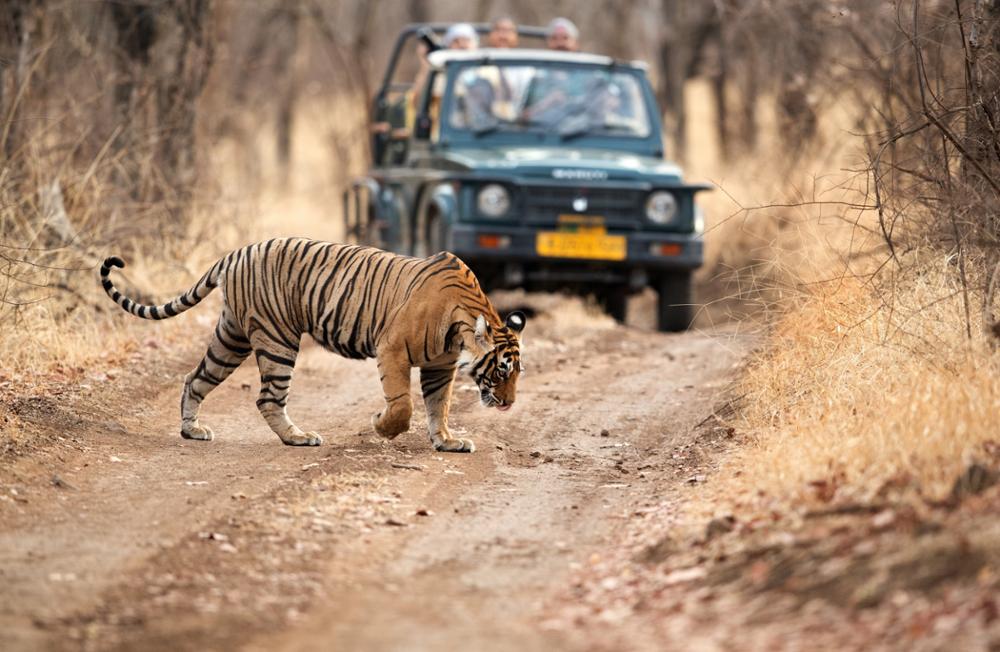
In the state of Rajasthan, in northwestern India, lies another reserve where you can observe the legendary Bengal tiger: Ranthambore National Park. Originally, this site was the former royal hunting ground of the Maharajas of Jaipur. Today, the park has become a reserve where tigers, antelope, crocodiles, monitor lizards, hyenas, and more than 250 bird species coexist happily, which you can admire during a jeep safari or bus tour.
The good news: while it housed only about a dozen individuals in 1973, the park today boasts rising tiger numbers thanks to conservation efforts undertaken in recent years. The country aims to double the tiger population by 2022.
3. Sariska National Park
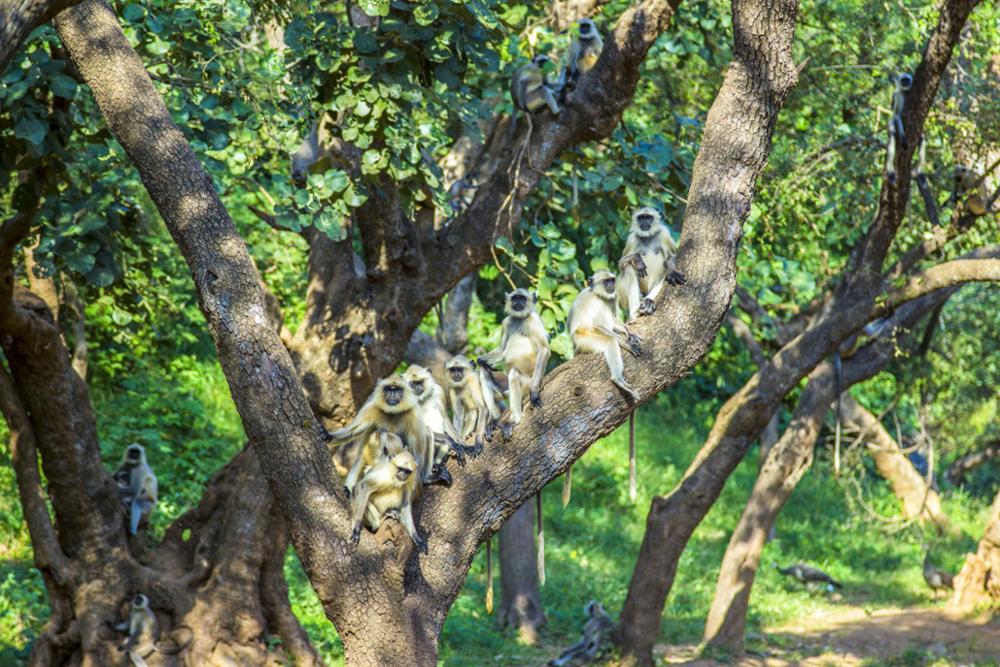
Like the previous park, Sariska National Park, south of Delhi, was once a royal hunting territory of the Maharajas of Alwar. It wasn't until 1982 that it obtained the status of reserve and national park to protect the last tigers inhabiting the territory. Beyond the few tigers, you'll also encounter sambhar deer, nilgai, and numerous species of tropical birds and monkeys.
During your visit to Sariska National Park, don't miss the Neelkanth Temple, the stunning Pandu Pol Waterfall, and Kankwari Fort, whose panoramic views of the reserve are breathtaking! In any case, we recommend visiting during the dry season to maximize your chances of spotting tigers. This is when they're most active in search of water sources.
4. Kanha National Park
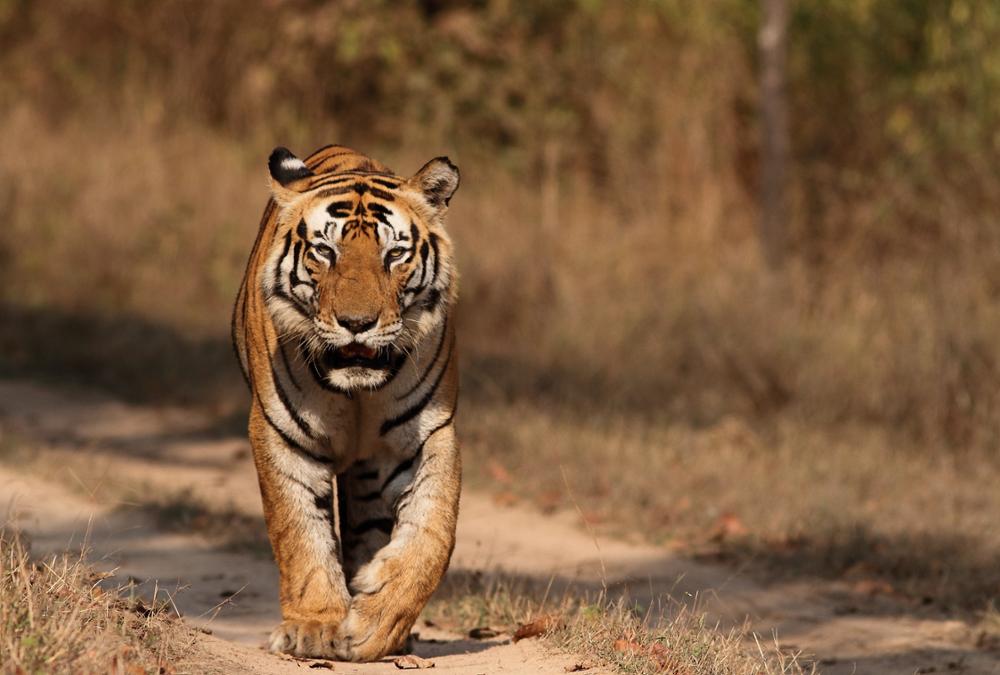
Ready for a safari in a landscape that inspired the Jungle Book story? That's what you can do in Kanha National Park! Covered with bamboo jungle in the highlands of central India, this wild reserve is the largest sanctuary in Madhya Pradesh. Beyond tigers, the park is also home to Indian leopards, sloth bears, wild dogs, bison and buffalo, multiple deer species, monkeys, and birds.
As part of the Tiger Project, the park participates in numerous flora and fauna protection programs. While population figures remain fragile, this is partly due to poaching, a practice the park combats through rigorous surveillance!
Florine Dergelet