Tripura: India's Hidden Gem in the Northeast
Tripura is a small state in northeastern India. Its glorious past, Mughal architecture, and lush orange groves make it an unmissable travel destination in India.
Tripura is a small state in northeastern India. Its glorious past, Mughal architecture, and lush orange groves make it an unmissable travel destination in India.
Looking to discover "Incredible India" off the beaten path? Consider visiting Tripura. The third smallest state on the subcontinent after Goa and Sikkim, Tripura conceals unexpected natural wonders across its 10,491 km² surface. Arboreal primates have made their home here, alongside colonies of clouded leopards and birds. Far from mass tourism, Tripura's verdant and untamed landscape will also satisfy culture enthusiasts. The former British Raj princely state has bequeathed numerous monuments to posterity, with the magnificent Ujjayanta Palace being merely the icing on the cake. Whether pilgrimage tourism, savanna safari, or vernacular heritage visits, Tripura is a vacation destination for everyone.
History
The Indian state of Tripura officially appeared on India's map on January 21, 1972. The name originates from the goddess Tripura Sundari or Lalita, considered an incarnation of supreme power in the Shakti sect of Hinduism. Although the chronological order is not clearly established, it is accepted that the Manikya kings governed the region from the 13th century onward.
The mountain barrier and high hills spared the Tripura kingdom from foreign invasions perpetrated by the Burmese, Arakanese, and Afghans. The Manikya dynasty forged friendships with rulers of Bangladesh when the reigning king Ratna Fha submitted by accepting to govern under the authority of Bengali Sultan Mughisuddin Tughral. The Tripuri kingdom reached its zenith in the 16th century, extending to the Cachar and Shyllet hills of Assam, Mizoram, and as far as eastern Bengal.
The arrival of the Mughals proved not to be a blow to Tripura. Like other Indian principalities, it fell into the hands of Akbar and his generals. However, the maharajas of Tripura succeeded in retaining vassal royalty without allowing Mughal troops to penetrate, plunder, or commit violence within its borders.
Was it through an act of kindness, political diplomacy, or simply lack of interest in an landlocked and costly territory that the British Crown did not colonize Tripura? Regardless, the Viceroy of India recognized the sovereigns of this state, which became a British protectorate in 1808. Unlike other northeastern domains, which were absorbed into Assam, the kingdom of Tripura enjoyed political independence while being bound to the Crown by a subsidiary alliance. Udaipur was the first capital of the kingdom, but later King Krishna Chandra Manikya Bahadur relocated it to the city of Agartala.
Following the fall of the British Indian Empire, Queen Kanchan Prabha Devi signed the instrument of accession that united the kingdom with independent India on September 9, 1949. It was initially, in 1963, a Union territory under federal administration before becoming an autonomous state in 1972.
Today
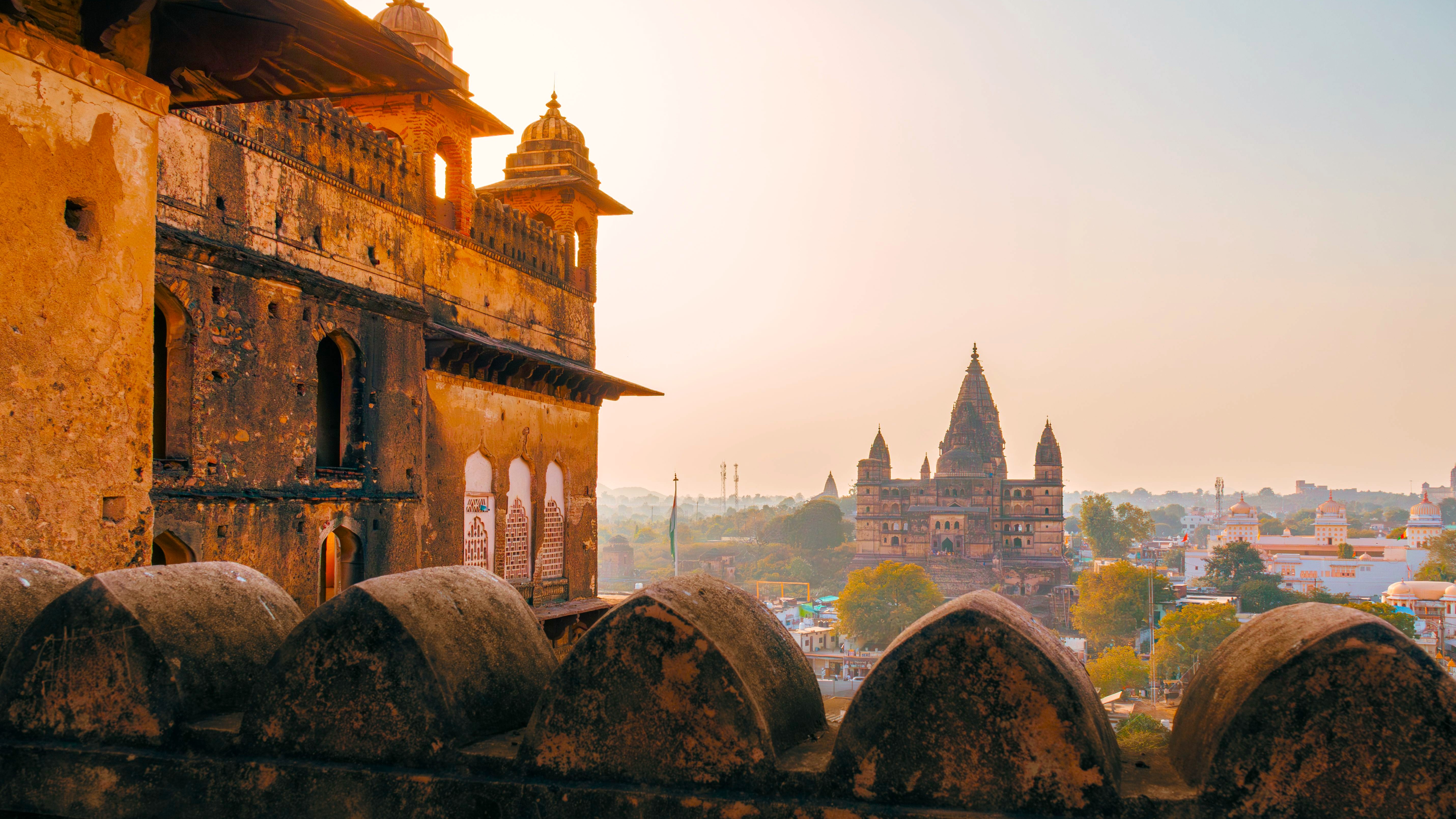
In the 21st century, Tripura has managed to preserve raw and untamed beauty. The region's geographical isolation, due to its rugged and mountainous profile, no doubt plays a role. Beyond the capital Agartala, which retains colonial architecture with Victorian-style palaces, fountains, and Mughal gardens, you will notice that the local people live simply. The rural scenery is breathtaking as you traverse verdant hills alternating between pineapples, jackfruits, and sugarcane plantations.
Chinese, Japanese, and Indians from other states are the main leisure travelers visiting Tripura. Western tourist arrivals remain very limited and consist of anecdotes. Endowed with fascinating fauna and flora, along with a rich Hindu culture, the state deserves greater recognition. By choosing to vacation in Tripura, you will ensure that your need for escape is fulfilled while contributing to local development. Indeed, many inhabitants still practice shifting cultivation (jhum) and live below the poverty line.
Must-See Attractions in Tripura
The state is home to numerous tourist sites to discover: protected areas, bird sanctuaries, museums, maharaja palaces, and impressive Hindu temples. The choice is yours.
Natural Heritage
Visiting Tripura is a privilege for naturalists, whether experts or casual enthusiasts. The animal kingdom is uniquely rich: the state hosts the largest number of primate species in all of India. Langurs, brown rhesus macaques, and pig-tailed macaques are the principal inhabitants of Tripura's forests. They will share your cries of admiration during your bush treks. Endangered mammals will parade past your binoculars, such as the dhole or Asian wild dog, which has the appetite of a tiger with the appearance of a fox, the shy porcupine, visible only at night, the clouded leopard, whose climbing prowess makes it an elusive prey for large felines, and the Asian elephant, this megaherbivore you'll frequently encounter near water sources, now subject to intensive poaching due to the illegal ivory trade. Tripura also hosts significant zones for bird conservation.
The plant kingdom has its own subjects of attraction. In the company of a professional guide, meet species of Dipterocarpaceae, Aglaia, and Eugenia covering the national parks of Tripura. Discover the names of trees, their medicinal and therapeutic value, and the environmental services they provide to local populations. No matter where you go, the natural reserves of Gomti, Sepahijala, or Trishna will reveal an open-air botany book.
Cultural Heritage
Tripura is home to quality cultural and architectural monuments that recall the state's hours of glory. Most of them are concentrated in Agartala, capital of the Tripura principality and the former kingdom ruled by the Manikya dynasty. Agartala's tourist attractions can be visited in a single day.
- Ujjayanta Palace: King Radha Kishore Manikya had it built in the early 20th century; the building, with its three white marble domes, is a masterpiece of British architecture. Its romantic setting on the shores of two lakes, enhanced by Mughal gardens and fountains, makes Ujjayanta Palace a most pleasant destination. Handed over in 1972 to the Government of Tripura, the former royal family residence was converted into a State Museum. Coins, bronze and copper sculptures, figurines, and traditional musical instruments will enchant visitors.
- Kunbajan Palace: Another icon of local architecture, Kunbajan Palace stands north of Ujjayanta Palace. Dating from the 20th century, it is known as the residence occupied by poet Rabindranath Tagore during his stays in Agartala. Unfortunately, the building is in a pitiful state due to lack of maintenance.
- Neermahal Palace: Designated as the "Palace of the Lake," Neermahal is Tripura's greatest tourist attraction. The idea to build a luxurious summer residence in the middle of Rudrasagar Lake came from Maharaja Bir Bikram Kishore Debbarman. The construction was entrusted to the British company Martin and Burns, which completed it in 1928 after 9 years of work. Neermahal Palace comprises two sections: the western wing was reserved for the royal family as residential space, while the eastern wing was developed as an entertainment area for theatrical, musical, and cultural performances. Visiting this building will give you a sense of courtly life of the era. Moreover, it serves as a perfect excuse for a pleasant stroll on Rudrasagar Lake.
Religious Heritage
Tripura is known as a center of Hindu culture. To explore northeastern India differently, you must participate in Durga Puja, one of Hinduism's most important festivals, observed by Tripurians annually between October and November. The faithful fast during the nine days of the festival, exchange gifts, and share family meals. Harvest offerings are also made in honor of Durga, the goddess who presides over the growth of all vegetation and life on earth.
Two celebrated sanctuaries stand out from a tourism perspective: the Jagannath Temple, located within the Ujjayanta Palace grounds, where the idols of Jagannath, Balabhadra, and Subhadra are piously venerated, and the Kamalasagar Kali Temple, pleasantly perched above a hill overlooking Kamala Sagar Lake, 27 km from the capital's center.
When to Visit?
Tripura experiences a hot, humid tropical climate. The region's rolling terrain is responsible for significant temperature variations, particularly in mountainous zones. Average temperature hovers around 19.5°C in winter and 30.5°C in summer. June is the most stormy month with 363 mm of rainfall, while December is the driest. For a successful stay in Tripura, it is advisable to visit during the winter period, from early December to mid-March. Absolutely avoid traveling between June and September, as monsoon rains will certainly spoil your visit.
Tripura's tourism success requires greater efforts in infrastructure development. For now, air travel remains the simplest and most practical means of transport for Europeans. Agartala Airport, located 12 km north of the capital, receives only domestic flights. India's Airport Authority intends to convert it into an international airport, but this is a medium-term goal. Travelers must take a flight to Guwahati and then take a second flight to Agartala.
To save on travel costs, you can easily reach Tripura by taxi or bus from Guwahati. The journey takes approximately 24 hours.
You Will Love…
- attending the grand Orange Festival
- tasting Tripura's excellent local specialties, such as Bangui rice, berma, or fish stew
- camping in one of the national parks and waking to the sounds of wild nature
- photographing langurs, rhesus macaques, deer, and other emblematic animals of the state
- taking in the unique architecture of Ujjayanta Palace
- enjoying a green escape at Agartala's Heritage Park, which houses various species of fruit-bearing trees
- treating yourself to a cultural break at the Tripura Government Museum
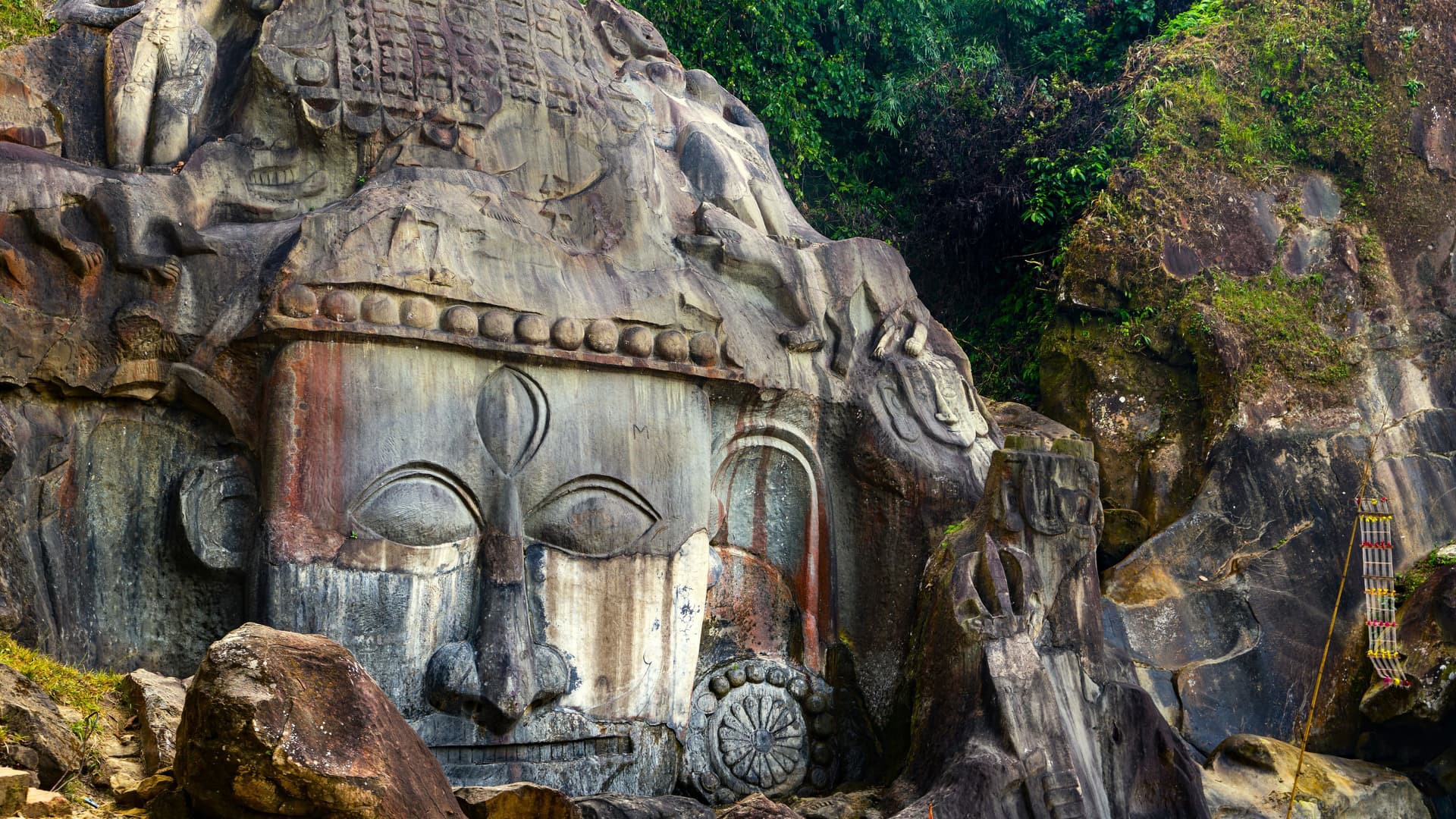
- admiring the famous rock carvings set against verdant backdrops at Unakoti site