Sumur
Sumur
Sumur is an authentic village in Ladakh's Nubra Valley. Its Samstanling monastery, lush fields and surrounding sand dunes make it a serene, off-the-beaten-path stop between Diskit and Panamik.
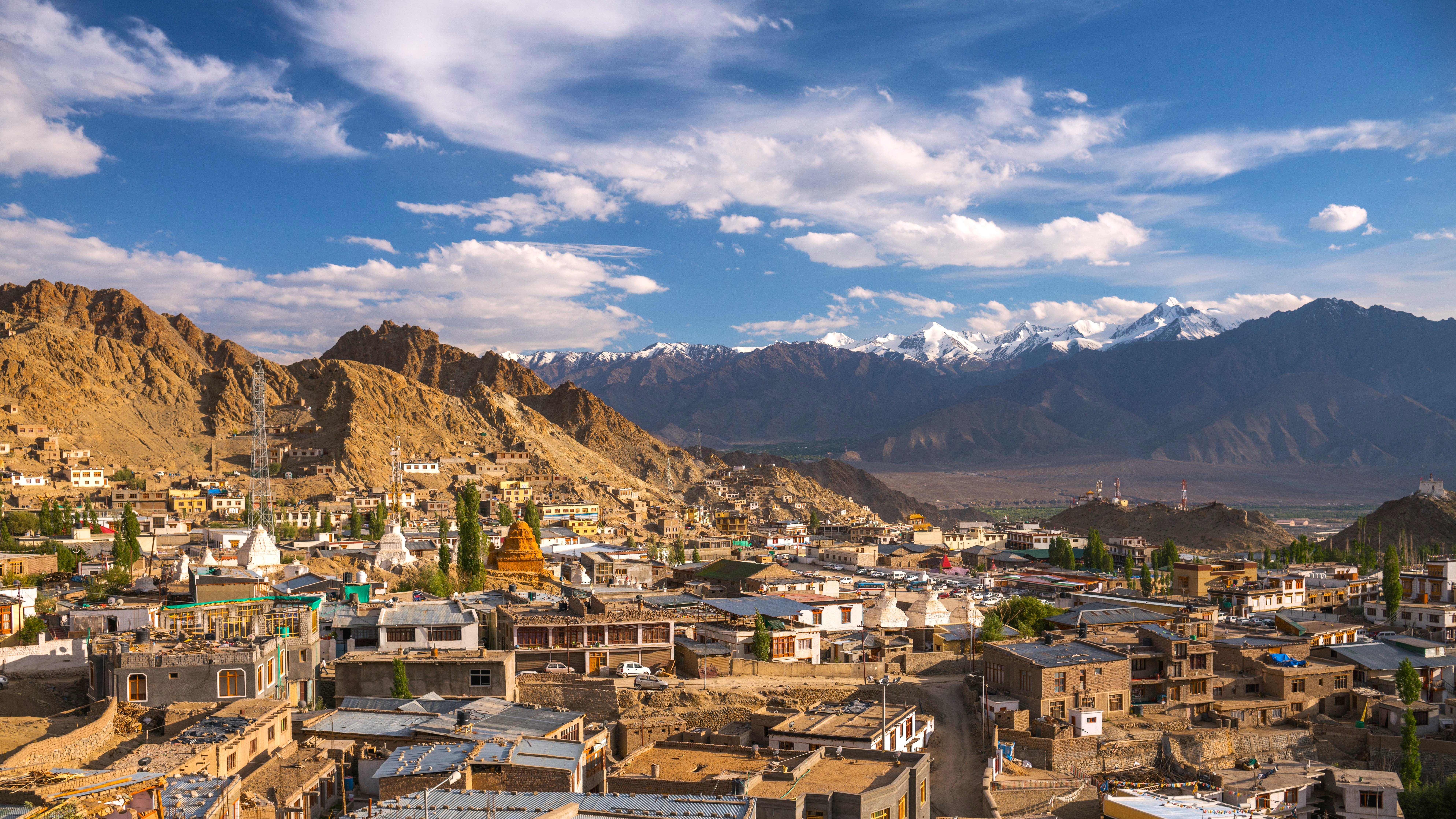
Sumur is a village in the Nubra Valley, Ladakh, perched at approximately 3,000 metres altitude. Known for its Samstanling Buddhist monastery and sand dunes contrasting with snow-capped peaks, it makes for a peaceful stop between Diskit and Panamik. The village retains an authentic rural character, far removed from the bustle of Leh.
Practical information at a glance
- Access: The Nubra Valley is accessible from Leh via the Khardung La pass (road open seasonally, typically May to October).
- Permit: An Inner Line Permit (ILP) is mandatory for both Indian citizens and foreign nationals to enter the Nubra Valley.
- Dress code: Covered clothing recommended when visiting the monastery.
- Recommended duration: Half a day is sufficient for the village and monastery; an overnight stay allows you to enjoy the tranquillity.
- Altitude: Allow time for acclimatisation before any strenuous activity.
What to see
Samstanling monastery, founded in the 19th century, overlooks the village from a rocky outcrop. Its prayer halls house Buddha statues, thangkas and frescoes. Below, barley and pea fields contrast sharply with the arid landscape. The sand dunes of the Nubra Valley are visible from the village heights.
History and context
The Nubra Valley was once a branch of the Silk Road connecting Ladakh to Turkestan. Sumur, like other villages in the valley, long depended on agriculture and caravan trade. Samstanling monastery belongs to the Gelugpa order, the same as the Dalai Lama's, and remains an active centre of monastic life.
Highlights of your visit
Samstanling Monastery
The gompa is freely accessible outside prayer services. Monks reside here permanently. The view from the upper terrace encompasses the verdant valley and the stark mountains that frame it.
Nubra Valley landscape
The juxtaposition of sand dunes, glacial rivers and peaks over 5,000 metres is rare in India. From Sumur, several viewpoints allow you to appreciate this contrast without crowds.
Etiquette and visiting rules
- Remove your shoes before entering prayer halls.
- Circumambulate stupas and prayer wheels in a clockwise direction.
- Ask permission before photographing monks or ceremonies.
- Speak softly inside the monastery.
Photography tips
Morning light is ideal for photographing the monastery, before the sun climbs too high. The valley's dunes photograph best in late afternoon, when shadows accentuate the terrain. Avoid using flash inside prayer halls.
Location and access
Sumur lies in the Nubra Valley, approximately 30 km north of Diskit, the valley's main town. The route from Leh passes via Khardung La pass. Shared taxis and private vehicles connect Leh to the Nubra Valley. No regular public transport serves Sumur itself.
Nearby attractions accessible by vehicle: Diskit monastery, Hunder and its dunes, Panamik hot springs.
Nearby attractions
- Diskit Monastery — The largest gompa in the Nubra Valley, featuring a towering statue of Maitreya.
- Hunder — Village known for its sand dunes and Bactrian camels.
- Panamik — Hot springs at the end of the road open to visitors in the Nubra Valley.
- Leh — Ladakh's capital, the essential starting point for exploring the region.
Frequently asked questions
The road via Khardung La is typically open from May to October. July and August offer the best weather, but also more visitors. June and September are quieter.
Yes, an Inner Line Permit is mandatory to enter the Nubra Valley for both foreign nationals and Indian citizens. It can be obtained in Leh, online or from local authorities.
Yes. Diskit, Hunder and Sumur are close together and easily visited over two days from a valley base. Panamik requires an additional half day.
A few family-run guesthouses and homestays exist in Sumur. Availability is limited; booking in advance during peak season is advisable.
Sumur sits around 3,000 metres. After arriving in Leh (approximately 3,500 m), 24 to 48 hours of acclimatisation is recommended before heading down to the Nubra Valley.
Want to discover this destination?
Our local advisors design your tailor-made trip.