Shimla
Shimla
Perched at 2,200 m in Himachal Pradesh, Shimla is the former summer capital of the British Raj in India. Victorian architecture, a UNESCO train, temples, and views of the Himalayas make it a major stop in northern India.
Shimla is the capital of Himachal Pradesh, situated between 2,000 and 2,400 meters above sea level in the foothills of the Himalayas. Once the summer capital of the British Raj, it retains remarkable colonial architecture interspersed with Hindu temples and bustling bazaars. Deodar forests, views of snow-capped ridges, and crisp mountain air make it a year-round destination, especially popular in summer for escaping the heat of the plains.
Quick Facts
Altitude: approximately 2,200 m — pack warm clothing even in summer.
Access: narrow-gauge train from Kalka (Kalka-Shimla Railway, UNESCO-listed) or road from Chandigarh (~4 hours).
The Mall: main pedestrian thoroughfare — motorized vehicles are prohibited.
Recommended duration: 2 to 3 days to explore the town and nearby surroundings.
Best time to visit: March-June (spring/summer) and October-November (clear autumn); December-February for snow.
What to See
Shimla's heart revolves around The Mall and The Ridge, a vast esplanade opening onto the mountains. Victorian architecture dominates: Christ Church (1857), the Gaiety Heritage Cultural Complex library, the former Vice-Regal Lodge. The bazaars below — Lower Bazaar, Lakkar Bazaar — showcase local craftsmanship, wool, and carved wood.
History and Context
The British made Shimla their summer capital from 1864 onward. The viceroy, government, and army relocated there each summer to escape the heat of Calcutta and later Delhi. The town became the center of major political decisions, including the 1945 negotiations (Shimla Conference). After independence, it remained the capital of Punjab before becoming the capital of Himachal Pradesh in 1971.
Highlights
The Ridge and Christ Church
The Ridge esplanade offers an open panorama of the Himalayan ranges. Christ Church, Neo-Gothic with colorful stained glass, is one of the best-preserved colonial buildings in northern India. Its red sandstone facade stands out against the mountain sky.
Vice-Regal Lodge (Rashtrapati Niwas)
Built in 1888 in Tudor style, this former viceroy's palace now houses the Institute of Advanced Studies. Terraced gardens and partially accessible interiors offer a glimpse of colonial grandeur. Located on Observatory Hill, it overlooks the entire town.
Kalka-Shimla Railway
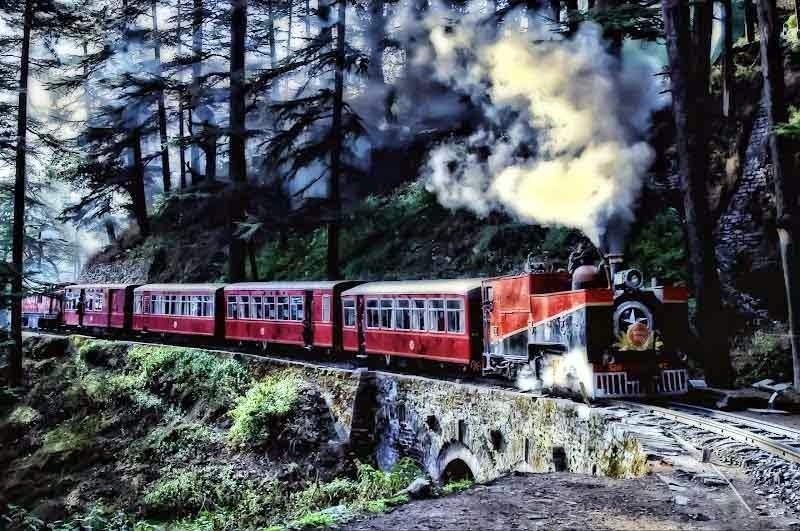
This narrow-gauge train (96 km, inscribed as a UNESCO World Heritage site in 2008) traverses 102 tunnels and dozens of viaducts. The journey from Kalka takes approximately five hours — the ride itself is an attraction in its own right.
Jakhu Temple
Perched at 2,455 m on Jakhu Hill, this temple dedicated to the monkey god Hanuman is surrounded by rhesus macaques. The walk from The Ridge takes about 45 minutes; cable cars are available. The view over Shimla and snow-capped peaks is remarkable on clear days.
Kufri and Chail
About twenty kilometers from Shimla, Kufri offers forest walks and, in winter, snow activities. Chail, a former summer residence of the Maharaja of Patiala, is home to the world's highest cricket ground.
Etiquette and Visiting Rules
At Jakhu Temple: remove your shoes before entering the sanctum; keep belongings close due to monkeys.
On The Mall: motorized vehicles are prohibited — respect pedestrian zones.
In Hindu temples: clothing covering shoulders and knees is recommended.
Photography Tips
Golden morning light on Christ Church and The Ridge is best early, before visitor crowds arrive. For views of snow-capped peaks, favor clear days in October-November or March. From Jakhu Hill, sunset over the illuminated town is worthwhile. Avoid monsoon season (July-August): mist often obscures panoramas.
Location and Access
Shimla lies in Himachal Pradesh, approximately 350 km north of Delhi. Main access is by road from Chandigarh (around 4 hours) or by narrow-gauge train from Kalka. Jubbarhatti airport serves Shimla with limited domestic flights. In town, most major sites are accessible on foot from The Mall. Steep lanes make accessibility challenging for people with reduced mobility across much of the historic center.
Nearby Attractions
Kufri — mountain station about twenty kilometers away, ideal for forest walks and winter activities.
Chail — former royal residence with the world's highest cricket ground and a historic palace hotel.
Narkanda — village approximately 65 km away, a starting point for apple orchards and winter ski slopes.
Chandigarh — modernist city designed by Le Corbusier, gateway to Shimla from the plains.
Frequently asked questions
March to June offers pleasant weather and clear views. October-November is ideal for crisp air and autumn colors. December to February attracts snow enthusiasts, though roads may occasionally close.
The most common route runs through Chandigarh (approximately 4 hours by car from Chandigarh). From Kalka, the UNESCO-listed narrow-gauge train connects to Shimla in about five hours — an experience in itself. Domestic flights operate from Delhi to Jubbarhatti airport, but service is limited.
Yes: shoulders and knees covered are recommended in Hindu temples like Jakhu. Remove your shoes before entering the sanctum. Be cautious of rhesus macaques that may seize bags or food.
Two days suffice for main attractions (The Ridge, Christ Church, Vice-Regal Lodge, Jakhu Temple). Budget a third day if you wish to explore Kufri or Chail.
Can I drive in Shimla's city center?
Yes, if you have time. This UNESCO World Heritage narrow-gauge train traverses spectacular landscapes, tunnels, and viaducts. The journey takes about five hours — plan it for one leg of your trip rather than as a same-day round trip.
Want to discover this destination?
Our local advisors design your tailor-made trip.