Sasan Gir Forest National Park
Sasan Gir Forest National Park
Sasan Gir Forest National Park in Gujarat is the only place in the world where you can observe the Asiatic lion in the wild. More than 600 individuals live within its 1,412 km² of dry forests and savannas.
Sasan Gir Forest National Park, in the state of Gujarat, is the last wild refuge of the Asiatic lion (Panthera leo persica). Designated a wildlife sanctuary in 1965 and a national park in 1975, it covers approximately 1,412 km² of dry forests, savannas, and rivers. It is one of the rare places in the world where you can observe lions in the wild outside of Africa, making it a unique safari destination on the Indian subcontinent.
Practical Information at a Glance
Access: The village of Sasan Gir is the main entry point; the nearest railway station is Junagadh (approximately 65 km away).
Opening Season: The park is closed from mid-June to mid-October (monsoon season). The best period is December to March.
Mandatory Permit: All safari visits require an official permit, which can be booked online through the Gujarat government portal.
Jeep Safari: Safaris are conducted in shared or private jeeps, accompanied by an authorized forest guide.
Recommended Duration: Two to three days to maximize wildlife viewing chances.
Attire: Neutral colors (khaki, beige, green) are recommended; avoid white and bright colors.
What You'll See
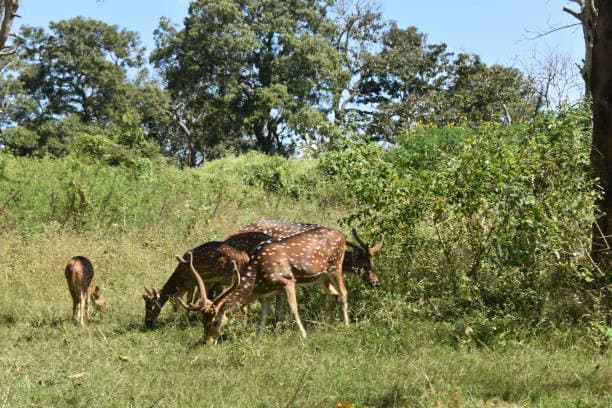
The Asiatic lion is the main attraction, but the wildlife is far more diverse. The park is home to leopards, striped hyenas, golden jackals, marsh crocodiles (mugger), and over 300 bird species. The vegetation blends teak forest, acacias, and open grasslands, creating varied landscapes according to the season.
Asiatic Lion: Population estimated at over 600 individuals according to the latest official census.
Leopard: Present but elusive; sightings are less frequent than in East Africa.
Mugger Crocodile: Visible along the banks of the Hiran River and at water sources.
Birdlife: African fish eagle, vultures, Indian peafowl, kingfishers.
History and Context
At the beginning of the twentieth century, the Asiatic lion was on the brink of extinction: fewer than twenty individuals remained in the region. The Nawab of Junagadh, followed by British colonial authorities, imposed hunting restrictions that enabled a slow population recovery. India's independence in 1947 accelerated conservation efforts, leading to the creation of the sanctuary and later the national park. Today, Gir is cited as one of Asia's most remarkable conservation successes.
Highlights of Your Visit
The Dawn Safari
Early morning slots (opening at dawn) offer the best viewing conditions. Lions are active, the light is soft, and temperatures are more bearable. Jeeps enter designated zones to minimize pressure on wildlife.
The Devalia Interpretation Center
This enclosed enclave within the park almost guarantees a lion sighting, even for visitors with limited time. It operates with official park vehicles and serves as an alternative to safaris in the main zone.
The Hiran River and Water Sources
During the dry season (February-May), animals concentrate around water sources. The banks of the Hiran are particularly conducive to observing crocodiles and aquatic birds.
Photography Tips
The golden light during the first two hours after sunrise is ideal. A telephoto lens (minimum 300 mm) is essential: guides maintain a regulated distance from animals. Avoid using flash, which is prohibited in the park. During the dry season, sparser vegetation facilitates clearer sightlines.
Location and Access
Sasan Gir is located in Junagadh district, in the Saurashtra peninsula (western Gujarat). The town of Junagadh is the most common logistical starting point, with rail connections from Ahmedabad and Rajkot. Flights serve Rajkot airport, approximately 160 km away. Accommodations (lodges, hotels, eco-camps) are available in Sasan Gir itself, in immediate proximity to the park entrance.
Nearby Attractions
Junagadh — Historic town featuring Uparkot Fort, Buddhist caves, and the Mahabat Maqbara mausoleum.
Somnath Temple — One of twelve jyotirlinga temples dedicated to Shiva, rebuilt on the Gujarat coast; approximately 45 km from Sasan Gir.
Diu — Former Portuguese enclave with fort, beaches, and colonial architecture, approximately 90 km away.
Girnar Hills — Jain and Hindu pilgrimage site with temples at the summit, accessible from Junagadh.
Frequently asked questions
December to March offers cool weather and sparser vegetation, which facilitates lion viewing. February to May provides the best chances near water sources, though temperatures become intense in April-May. The park closes during monsoon season (mid-June to mid-October).
How do I book a safari at Gir?
No sighting is guaranteed in the main zone, but the density of lions (over 600 individuals across 1,412 km²) makes the chances excellent. The Devalia center offers near-certain lion viewing, with official vehicles circulating within an enclosed enclave.
Opt for neutral colors: khaki, beige, or olive green. Avoid white and bright colors, which may disturb animals. A hat, sunscreen, and plenty of water are essential, especially during the dry season.
Yes. Somnath Temple (approximately 45 km) and the historic town of Junagadh (approximately 65 km) are easily visited in combination. The former Portuguese enclave of Diu, approximately 90 km away, complements a Saurashtra circuit well.
Photography is permitted, but flash is strictly prohibited. Guides maintain a regulated distance from animals. A telephoto lens is highly recommended for quality shots without disturbing wildlife.
Want to discover this destination?
Our local advisors design your tailor-made trip.