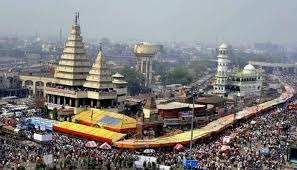
Rishikesh
Rishikesh, nestled at the foot of the Himalayas, blends Hindu spirituality, yoga and adventure on the Ganges. Animated ghats, evening arti ceremonies, suspension bridges and rafting: an extraordinary destination.
Rishikesh stretches at the foot of the first Himalayan foothills, where the Ganges descends from the mountains into the plains. A Hindu holy city, it attracts pilgrims, yogis and travelers from around the world. Its animated ghats, centuries-old ashrams and turquoise waters make it a crossroads between profound spirituality and outdoor adventure. No meat or alcohol is sold here: the atmosphere is distinctly different from the rest of India.
Quick reference information
- Access: nearest railway station at Haridwar (approximately 25 km away); Dehradun airport (Jolly Grant) approximately 35 km away.
- Dress code: clothing covering shoulders and knees recommended, especially near temples and ghats.
- Alcohol and meat: prohibited throughout the city.
- Recommended duration: 2 to 4 days to combine spirituality, yoga and outdoor activities.
- Best time to visit: October to March (pleasant weather, Ganges navigable); avoid monsoon season (July-August) for rafting.
What to see
The city is divided into two main poles: Laxman Jhula and Ram Jhula, two pedestrian suspension bridges spanning the Ganges. Around them, narrow lanes lined with ashrams, vegetarian cafés and craft shops. The ghats come alive at dawn for ritual bathing and at dusk for the arti ceremony, a ritual of lights on the river. The Ganges here is still clear and fast-flowing, perfect for rafting.
History and context
Mentioned in Vedic texts, Rishikesh has been a retreat for Hindu sages for centuries. The name means "Lord of the Senses" in Sanskrit. The city gained worldwide prominence in 1968 when the Beatles stayed at the ashram of Maharishi Mahesh Yogi to study Transcendental Meditation. This episode permanently established Rishikesh as the world capital of yoga.
Highlights of your visit
Evening arti ceremony on the Ganges
Each evening at sunset, the ghats of Triveni and Parmarth Niketan light up. Priests swirl flaming lamps in rhythm, accompanied by chanting. The atmosphere is striking, amid incense smoke, floating flowers and reverent crowds.
Laxman Jhula and Ram Jhula
These suspension bridges are the symbol of Rishikesh. Laxman Jhula, the oldest, connects both banks and offers a direct view of the Ganges and the multi-story temples that overlook it. The walk across, among monkeys and pilgrims, is an experience in itself.
Yoga and meditation
Dozens of ashrams and schools offer classes and retreats ranging from a few hours to several weeks. Parmarth Niketan, Sivananda Ashram and the Iyengar Yoga School are among the most renowned. Early morning classes by the Ganges, facing the mountains, are particularly sought after.
Rafting on the Ganges
Between Shivpuri and Rishikesh, the Ganges offers rapids classified II to IV depending on the season. Operators are numerous on the riverbanks; the descent typically lasts half a day. The optimal season extends from September to June.
Hiking to Kunjapuri and Neelkanth Mahadev
The Kunjapuri temple, perched on a hilltop, offers panoramic views of the Himalayas at sunrise. The Neelkanth Mahadev temple, dedicated to Shiva, is located in the forest approximately 23 km away: a popular pilgrimage accessible by jeep or on foot.
Etiquette and visiting guidelines
- Remove your shoes before entering any temple or ashram.
- Dress modestly (shoulders, knees covered) on the ghats and in places of worship.
- Do not photograph religious ceremonies without discretion; ask permission for portraits.
- Respect silence in meditation areas of ashrams.
- Alcohol consumption is illegal throughout the city.
Photography tips
The golden light of sunrise over the Ganges, from the ghats or suspension bridges, is the most beautiful of the day. The evening arti lends itself to long exposures to capture the moving flames. From Laxman Jhula, frame the multi-story temples in a low-angle shot with the river in the foreground. Avoid using flash in temples.
Location and access
Rishikesh is located in the state of Uttarakhand, approximately 240 km northeast of Delhi. The Haridwar railway station is the most convenient railway entry point, with frequent trains from Delhi, Varanasi and Mumbai. Buses connect Haridwar to Rishikesh in less than an hour. Dehradun airport (Jolly Grant) serves several Indian cities. Within the city, rickshaws and local taxis allow you to move between the two banks.
Nearby attractions
- Haridwar — Another sacred city on the Ganges, famous for its Har Ki Pauri arti ceremony, approximately 25 km away.
- Neelkanth Mahadev Temple — Shaivite temple in the forest, a pilgrimage site accessible from Rishikesh.
- Kunjapuri Temple — Himalayan views at sunrise from this goddess temple.
- Dehradun — Capital of Uttarakhand, gateway to Mussoorie and Himalayan valleys.
- Badrinath — One of four sacred dhams of Hinduism, accessible via the Rishikesh route in season.
Frequently asked questions
From October to March, the weather is cool and pleasant. Spring (March-April) is also favorable. The monsoon (July-August) makes rafting dangerous and roads sometimes impassable.
Yes. Covered shoulders and knees are expected on the ghats, in temples and ashrams. Light cotton clothing is suited to the climate.
No. The rafting season generally extends from September to June. During the monsoon, the Ganges level rises dangerously and activities are suspended.
The two cities are approximately 25 km apart. One day is enough to visit Haridwar from Rishikesh by bus or taxi. Many travelers arrive via Haridwar and head up to Rishikesh.
Yes, photography is generally tolerated during the arti ceremony. Remain discreet, avoid flash and do not disturb worshippers.
Two days allow you to see the ghats, bridges and attend the arti ceremony. Plan three to four days to add a yoga retreat, rafting and an excursion to Neelkanth Mahadev.
Want to discover this destination?
Our local advisors design your tailor-made trip.