Ranthambhore
Ranthambhore
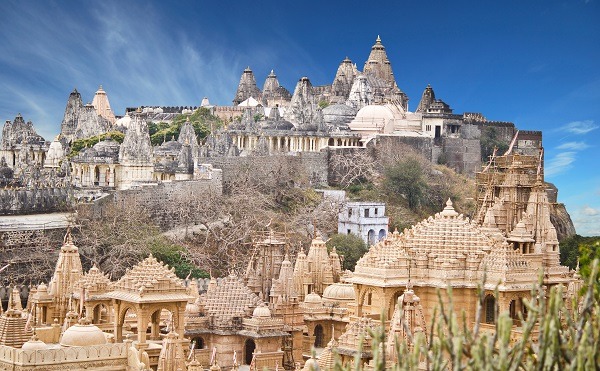
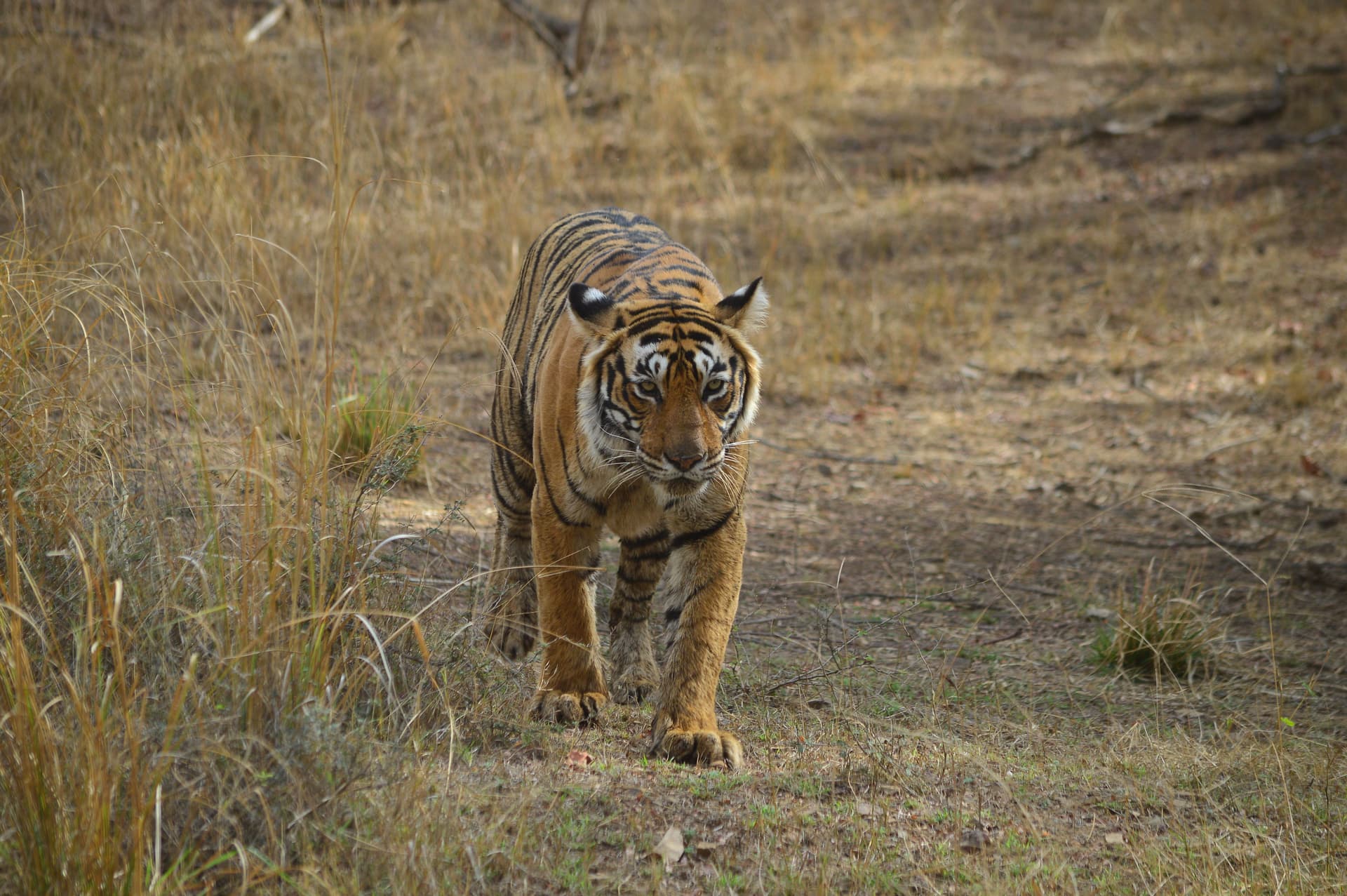
Ranthambhore brings together wild forests, Bengal tigers, and a medieval fortress listed as a UNESCO World Heritage site in the heart of Rajasthan. A national park that is both a wildlife sanctuary and a major historical landmark.
Ranthambhore is one of India's most renowned national parks for observing the Bengal tiger in its natural habitat. Located in Sawai Madhopur district, Rajasthan, it spans approximately 1,334 km² of dry forests, lakes, and rocky ravines. At the heart of the park stands a medieval fortress designated as a UNESCO World Heritage site, making it a rare place where wildlife and history intersect.
Practical Information at a Glance
Access: Sawai Madhopur is connected by train from Jaipur (approximately 2 hours) and Delhi. The park is located just a few kilometers from the railway station.
Open Season: The park is open from October to June; it closes during the monsoon season (July–September).
Safaris: Two daily time slots — morning and afternoon. Online reservation is mandatory through the official Indian portal (limited availability).
Vehicles: Gypsies (6-seater jeeps) or Canters (20-seater open trucks); gypsies offer greater flexibility.
Recommended Duration: 2 to 3 days to maximize your chances of spotting tigers.
Attire: Neutral colors (khaki, green, beige) are recommended; avoid white and bright colors.
What You'll See
The Bengal tiger is the undisputed star, but Ranthambhore is also home to leopards, striped hyenas, jackals, marsh crocodiles, and an abundance of birdlife (over 300 species). The lakes Padam Talao, Malik Talao, and Raj Bagh Talao create open landscapes where animals come to drink, facilitating wildlife viewing. The ruins of Ranthambhore fortress overlook the canopy from a rocky outcrop.
History and Context
Ranthambhore fortress dates back to the 10th century; it was a Rajput stronghold before passing under Mughal control. The site long served as a hunting reserve for the maharajas of Jaipur. In 1973, it was incorporated into the Project Tiger, launched by Indira Gandhi to save the species from extinction. Today, the park's tiger population is among the densest and best-studied in India.
Highlights of Your Visit
The Sunrise Safari
The morning slot remains the most rewarding: tigers are active, light is golden, and heat is absent. The shores of the lakes are prime areas to monitor.
Ranthambhore Fortress
Designated as a UNESCO World Heritage site as part of the Hill Forts of Rajasthan, the fortress is accessible from within the park. It houses a temple dedicated to Ganesh, an active pilgrimage site, and offers panoramic views over the surrounding forest.
Lakes and Their Crocodiles
Padam Talao is the largest lake in the park. Marsh crocodiles (Crocodylus palustris) bask in the sun here, often just meters from safari vehicles.
Birdlife
Ranthambhore is a premier destination for birdwatchers: osprey, kingfisher, wild peafowl, sarus crane, and numerous raptors inhabit the park year-round.
Photography Tips
Opt for a telephoto lens (300 mm minimum) for tigers and birds. Morning light, low and warm, is ideal. Remain in your vehicle: disembarking is prohibited and dangerous. Mute your camera shutter to avoid disturbing wildlife.
Location and Access
Ranthambhore is situated approximately 180 km southeast of Jaipur and around 400 km from Delhi. Sawai Madhopur railway station serves as the main entry point, well connected by Rajdhani and Shatabdi trains. Hotels and lodges of all categories are concentrated along the road leading to the park. Wheelchair accessibility for Canter safaris is possible, though forest trails can be uneven.
Nearby Attractions
Jaipur — Rajasthan's "Pink City," approximately 2 hours by road, with its palaces and bustling bazaars.
Amber Fort — A majestic Rajput fortress at the gates of Jaipur, worth combining with a stay in the regional capital.
Bundi — A lesser-visited medieval town, known for its stepwells and wall frescoes, approximately 2 hours to the southwest.
Keoladeo National Park (Bharatpur) — A UNESCO-listed bird sanctuary, approximately 3 hours to the north, ideal as a complement to Ranthambhore.
Frequently asked questions
April to June are the most favorable months: heat drives tigers to waterholes. October to February is more pleasant climatically, with good sighting opportunities.
Reservations are made through the official Indian government portal for forest safaris. Availability is limited and fills quickly during peak season; book several weeks in advance.
The Gypsy (6-seater jeep) allows greater flexibility and access to areas closed to Canters. The Canter is less expensive and suited for groups, but less nimble on narrow trails.
The fortress is located within the national park; access is therefore only via an official safari. There is no separate entrance for visitors wishing to see the fort alone.
Two to three days allow for four to six safaris and significantly increase your chances of spotting a tiger. A single day is possible but leaves little margin for success.
Yes, provided children can remain calm and quiet during the safari. Trails can be bumpy; bring warm clothing for early morning outings in winter.
Want to discover this destination?
Our local advisors design your tailor-made trip.