Padum
Padum is the capital of Zanskar, a remote valley in Ladakh at 3,500 m altitude. Gateway to the Chadar trek and the Buddhist monasteries of Karsha and Sani, it offers immersion in preserved Tibetan culture.
Padum is the administrative capital of Zanskar, a remote valley in Ladakh, in northern India. Perched at around 3,500 meters altitude, this small town is the starting point for the region's major treks, including the famous Chadar trek on the frozen river. Between Buddhist monasteries, lunar landscapes and preserved Tibetan culture, Padum concentrates the essence of what Zanskar has to offer.
Quick facts
- Altitude: approximately 3,500 m — acclimatization is essential before any physical activity.
- Access: road from Kargil (approximately 230 km, often 2 days on rough tracks); track usually open from June to October.
- Recommended duration: 2 to 4 days to explore the valley and nearby monasteries.
- Clothing: warm clothes even in summer; covered clothing for monasteries.
- Season: June to September for the road; January-February for the Chadar trek (frozen river).
What to see
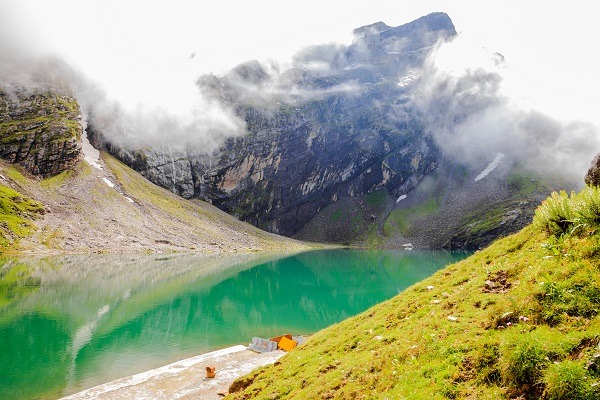
Padum itself is a modest village, but its surroundings are striking: ochre cliffs, Tsarap river, terraced barley and pea fields. The main bazaar groups together a few shops, guesthouses and trekking agencies. Local life revolves around agriculture and Tibetan Buddhism.
Nearby, several monasteries are worth visiting: Karsha, the largest in Zanskar, overlooks the valley from a rocky spur. Sani, one of the oldest, houses a stupa attributed to the master Naropa. Zangla and Bardan complete the monastic circuit.
History and context
Zanskar was an independent kingdom until the 19th century, before being integrated into Ladakh under Dogra rule. Padum was already its political center. The region remained isolated from the rest of India for a long time, which preserved an almost intact Tibetan Buddhist culture. The gradual construction of the road from Kargil, completed in the 1980s, opened Zanskar to tourism without altering its character.
Highlights of the visit
Karsha Monastery
Perched on a cliff a few kilometers from Padum, Karsha is the largest and most active monastery in Zanskar. Its white buildings tiered on the rock shelter a community of Gelugpa monks. The walk up from the valley takes about an hour and offers panoramic views over the fields below.
Sani Monastery
Sani is one of the rare monasteries in Zanskar built on flat ground. Its Kanika stupa, one of the oldest in Ladakh, is said to date from the Kushan period. The site hosts an animated festival each year featuring masked dances (Cham).
Chadar Trek
In January-February, the Zanskar River freezes and forms the Chadar — an ice corridor that was for centuries the only winter exit route from Zanskar. This multi-day trek, demanding and guided, is one of India's most renowned winter hiking experiences.
Tsarap-Lungnak Confluence
Near Padum, the confluence of the Tsarap and Lungnak rivers forms the Zanskar River. The landscape of gorges and colored rocks is particularly photogenic in the late afternoon.
Etiquette and visit rules
- Remove your shoes before entering prayer halls.
- Walk around stupas and mani walls clockwise.
- Ask permission before photographing monks or ceremonies.
- Dress modestly within monastic compounds.
Photography tips
Morning light is ideal for photographing Karsha, whose white facades catch the first rays before the valley falls into shadow. In late afternoon, raking light reveals the textures of the ochre cliffs around Padum. For the Chadar, winter conditions require photo equipment adapted to extreme cold.
Location and access
Padum is located in the Zanskar valley, Kargil district, Ladakh. The main road arrives from Kargil via the Pensi La pass (approximately 4,400 m), passable from June to October. Shared jeeps and public buses connect Kargil to Padum in season. A helipad occasionally serves Padum, but flights are irregular and weather-dependent. Wheelchair accessibility is very limited due to mountainous terrain and unpaved tracks.
Nearby
- Karsha Monastery — the largest monastery in Zanskar, a few kilometers north of Padum.
- Sani Monastery — ancient site on flat ground, with a remarkable stupa and annual festival.
- Bardan Monastery — small Drugpa monastery on the edge of the Lungnak river.
- Zangla village — former royal seat of Zanskar, accessible by jeep or on foot.
- Kargil — stopover town on the Zanskar route, departure point for convoys to Padum.
Frequently asked questions
From June to September, the road is open and conditions are favorable. January-February suits experienced trekkers who wish to do the Chadar on the frozen river.
There is no straightforward direct road from Leh. The journey typically passes through Kargil (approximately 230 km from Leh), then via the Zanskar road to Padum. Allow two days of jeep travel in season.
Foreign nationals must have an Inner Line Permit (ILP) for Ladakh, which generally covers Zanskar. Check current requirements with Indian authorities before departure.
Yes, most monasteries around Padum are freely accessible. A local guide enriches the visit and facilitates interaction with the monks, but is not mandatory.
Padum has family-run guesthouses and a few simple hotels. Comfort is basic; book in advance in high season (July-August) as places are limited.
Yes. At 3,500 m altitude, acute mountain sickness can affect unacclimatized travelers. Plan at least one acclimatization night in Kargil or Leh before heading to Padum, and ascend gradually.
Interested in this visit?
We can include it in your personalised itinerary.