Tashiding Monastery
Tashiding Monastery
Perched on a hilltop at the confluence of two rivers, Tashiding Monastery is Sikkim's most sacred Buddhist site, home to a purifying stupa and an annual Bum Chu festival.
Perched on a triangular hilltop at the confluence of the Rathong Chu and Rangit rivers, Tashiding Monastery stands as one of Sikkim's most sacred Buddhist sites. Founded in the 17th century by the Nyingma school, it houses the Thongwa Rangdol stupa, whose mere sight is believed to purify sins. The site attracts Tibetan pilgrims and travellers seeking an authentic Sikkim, far from mass tourism circuits.
Practical Information at a Glance
- Access: Tashiding lies in western Sikkim; the most common route passes through Legship or Yuksom.
- Recommended duration: 1 to 2 hours for the monastery and stupa circuit.
- Dress code: Modest attire is mandatory; shoulders and knees must be covered.
- Permit: An Inner Line Permit (ILP) is required to enter western Sikkim; obtain it before departure.
What to See
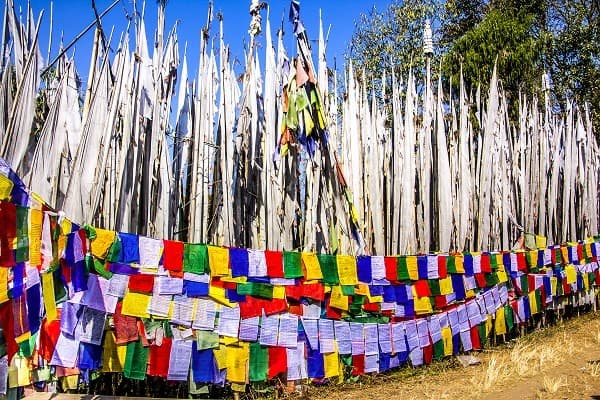
The complex comprises the main temple (lhakhang), several monastic buildings, and an impressive collection of stupas scattered across the hillside. The Thongwa Rangdol stupa at the summit is the spiritual focal point. Colourful prayer flags connect the structures throughout. Inside the temple are thangkas, statues of Padmasambhava, and period murals.
History and Context
The monastery was founded around 1641 by Ngadak Sempa Chembo, one of three lamas who consecrated Sikkim as a Buddhist kingdom. Its name roughly translates to "the sublime peak of supreme glory." It belongs to the Nyingma school, the oldest of the four major schools of Tibetan Buddhism. Each year during the Bum Chu festival, water from a sacred vessel is used to predict Sikkim's future.
Highlights of Your Visit
The Thongwa Rangdol Stupa
This stupa is revered as Sikkim's most sacred. According to tradition, circumambulating it alone is sufficient to purify accumulated transgressions. Pilgrims walk around it clockwise while reciting mantras.
The Bum Chu Festival
Celebrated annually in the first month of the Tibetan calendar (typically February), this festival draws hundreds of pilgrims. The ritual opening of a sacred water vessel is the central moment: the water level is believed to predict prosperity or hardship ahead.
The Collection of Stupas
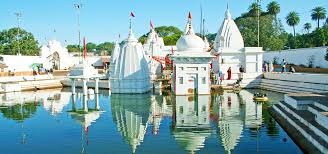
Around a hundred stupas of varying sizes dot the hillside. Some date back to the monastery's earliest centuries. Walking among these structures, with mountains framing the backdrop, constitutes a meditative experience in itself.
Etiquette and Visiting Rules
- Remove your shoes before entering the main temple.
- Walk around stupas and prayer wheels clockwise.
- Ask permission before photographing monks or the temple interior.
- Speak in hushed tones; monks live and practice here.
- Do not touch statues or ritual objects.
Photography Tips
Morning light is ideal: it illuminates prayer flags and stupas without backlighting. The panorama over the Rathong Chu and Rangit valleys is best from the hilltop, early in the morning before mist rolls in. Avoid flash inside the temple.
Location and Access
Tashiding sits in western Sikkim district. Yuksom village, the departure point for Kangchenjunga treks, is the nearest reference point. Shared jeeps connect Legship to Tashiding. The road is winding and conditions vary with the monsoon season. Wheelchair accessibility is limited due to sloped terrain.
Nearby Attractions
- Yuksom Monastery (Dubdi) — Sikkim's first monastery, founded in 1701, accessible from Yuksom village.
- Yuksom — Historic village where three lamas crowned Sikkim's first king; starting point for Kangchenjunga treks.
- Pemayangtse Monastery — One of the oldest and most important Nyingma monasteries in Sikkim, located in the western district.
Frequently asked questions
Yes. Western Sikkim is a regulated zone: an Inner Line Permit (ILP) is mandatory for Indian nationals, and a Restricted Area Permit (RAP) for foreigners. These documents are obtained from Sikkim authorities before departure.
October to December and March to May offer clear skies and passable roads. The monsoon (June-September) makes roads slippery and visibility poor. The Bum Chu festival in February is a particularly significant time.
Yes, both sites are close and often visited together. Allow half a day for each. A rented jeep or vehicle eases travel on mountain roads.
Photography is generally allowed outdoors. Inside the temple, always ask the resident monks for permission. Avoid photographing ceremonies without explicit consent.
Tashiding village has a few simple guesthouses. For more options, Yuksom or Legship offer wider accommodation choices.
Photos
Want to discover this destination?
Our local advisors design your tailor-made trip.