Lingshed
Lingshed
Among Ladakh's most remote Buddhist villages, Lingshed is reached at the end of a multi-day trek from Lamayuru. Its cliff-clinging monastery and authentic homestays make it a rare stop in the heart of Zanskar.
Lingshed is a remote village in Zanskar, in the Ladakh region, perched at over 3,800 meters above sea level. Accessible only on foot or by difficult track during part of the year, it remains one of the most isolated villages in northern India. Its Tibetan Buddhist monastery, clinging to the cliff face, makes it a sought-after stop for trekkers traversing the high Zanskar route. Isolation here preserves a way of life and religious practice virtually unchanged through the centuries.
Quick practical facts
- Altitude: approximately 3,800 m — acclimatization essential before arrival.
- Access: on foot from Lamayuru (several days of trekking) or by track from Zanskar depending on season; no permanent paved road.
- Best time to visit: June to September, when high passes are open.
- Accommodation: homestays with local families; no conventional hotels.
- Dress code: covering clothing required to visit the monastery.
What to see
Lingshed Monastery (Lingshed Gompa) dominates the village from a rocky spur. It belongs to the Gelugpa school of Tibetan Buddhism. Inside, thangkas, Buddha statues and murals adorn the prayer halls. The village itself, made up of stone and adobe houses, rises in terraces across cultivated slopes of barley and peas.
History and context
Lingshed is part of the network of monasteries dotting the historic trade route between Ladakh and Zanskar. The gompa maintains close ties with Lamayuru Monastery, on which it depends spiritually. The village's isolation has long protected its traditions: monks here perpetuate unbroken cycles of ritual and prayer stretching back centuries.
Highlights of your visit
Lingshed Gompa monastery
The climb to the gompa offers sweeping views across the entire valley. Inside, the main hall houses a large statue of Buddha Maitreya. Should you arrive during a ceremony, monks in maroon and saffron robes chant to the sound of long ritual trumpets.
The trek from Lamayuru
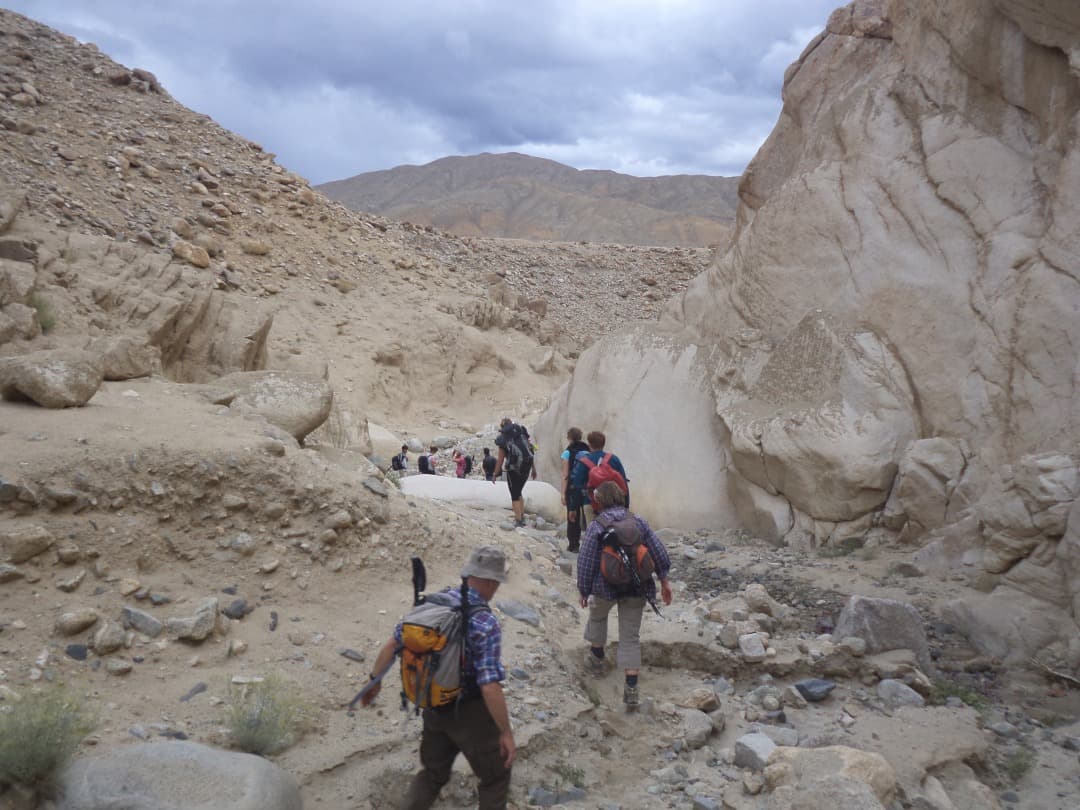
The classic route connects Lamayuru to Lingshed over three to four days of walking, crossing several passes above 4,500 m. It is one of Ladakh's wildest traverses, with lunar canyon landscapes and high alpine meadows.
Village life
Staying in a homestay allows you to observe daily rhythms: terraced field work, preparation of tsampa (roasted barley flour), and conversations with families whose members are often monks at the gompa.
Etiquette and visiting rules
- Remove your shoes before entering prayer halls.
- Walk clockwise around stupas and prayer wheels.
- Ask permission before photographing monks or the temple interior.
- Dress modestly with shoulders and knees covered.
- Avoid visiting during ceremonies unless invited.
Photography tips
Morning light illuminates the monastery façade and village terraces. Late afternoon bathes the ochre cliffs in warm tones. Avoid using flash inside the gompa. A telephoto lens is useful for framing the monastery from the valley without disturbing the monks.
Location and access
Lingshed sits in Zanskar district, Ladakh. The usual starting point for the trek is Lamayuru, reachable by bus or taxi from Leh. The track to Lingshed may be passable by 4×4 vehicle during part of the season, though conditions vary yearly. No direct air access; Leh is the regional gateway.
Nearby attractions
- Lamayuru — spectacular monastery in a "moonscape" setting, the classic starting point for the trek to Lingshed.
- Zanskar Valley — high Himalayan valley of isolated Buddhist villages and vertiginous gorges.
- Padum — administrative capital of Zanskar, the logistical base for exploring the region.
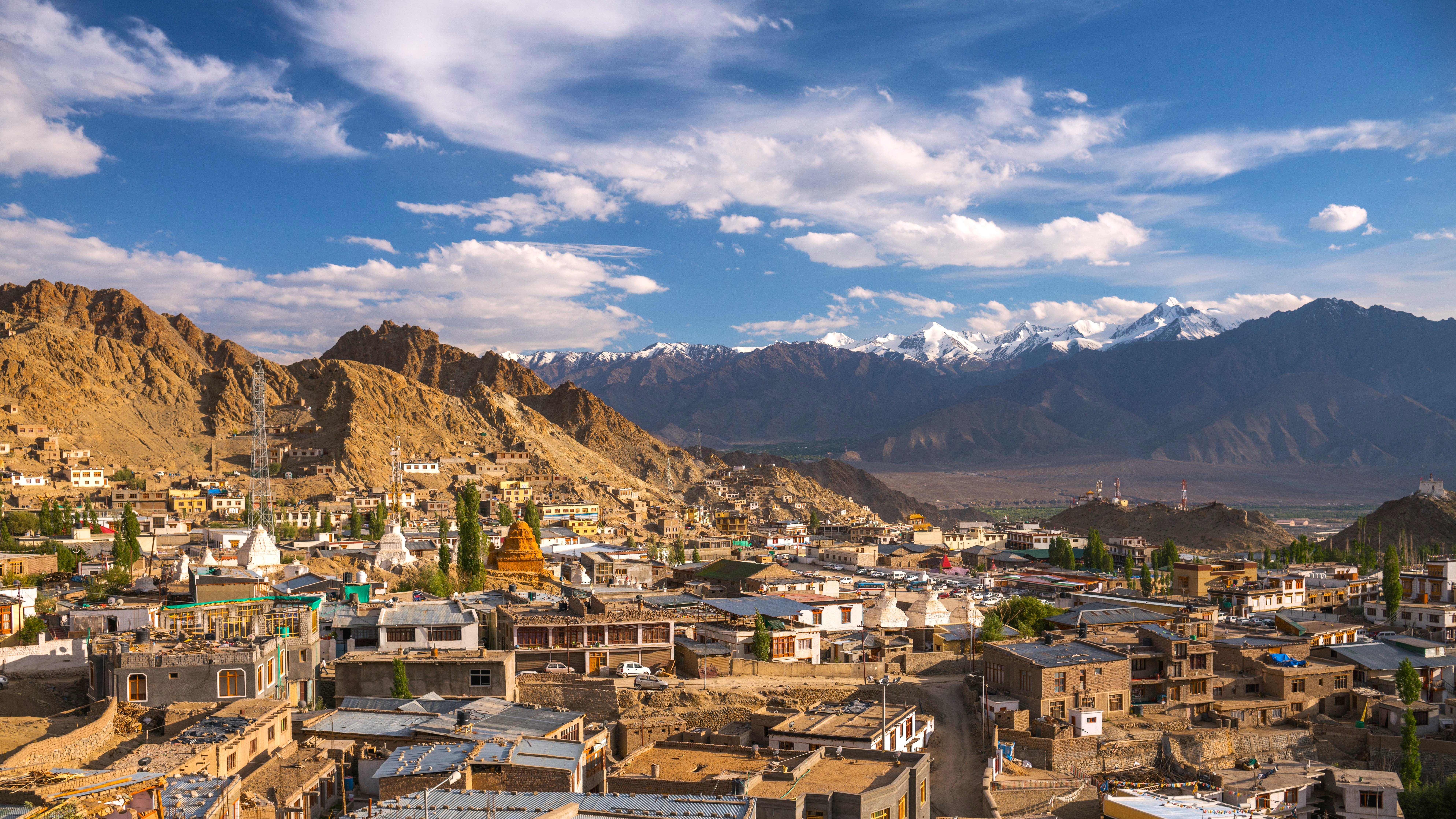
- Leh — capital of Ladakh, the essential entry point before any high-altitude trek.
Frequently asked questions
June through September, when high passes are clear and the trek is passable. Outside this window, access becomes very difficult or impossible.
Lingshed lies in a Ladakh zone that may require an Inner Line Permit (ILP) depending on current regulations. Verify current requirements with local authorities or your travel agency before departure.
Allow three to four days of walking in each direction, depending on your pace and acclimatation. The passes crossed exceed 4,500 m altitude.
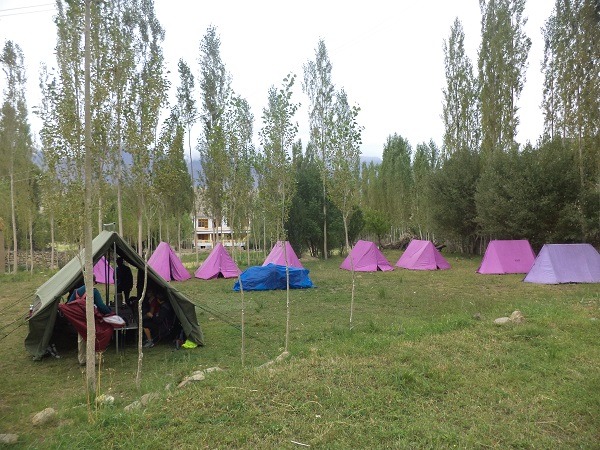
The village offers homestays with local families. There are no conventional hotels. Some trekkers also camp on the village outskirts.
The gompa is generally open to respectful visitors. Remove your shoes, dress modestly and ask permission before photographing the interior or monks.
Yes. Lingshed sits above 3,800 m and trek passes exceed 4,500 m. Prior acclimatation in Leh (a minimum of two nights) is strongly recommended before undertaking this trek.
Want to discover this destination?
Our local advisors design your tailor-made trip.