Kolhapur
Kolhapur
Kolhapur, a city in Maharashtra at the foot of the Western Ghats, blends Marathi spirituality, Bhonsle royal heritage, leather craftsmanship and fiery cuisine. An authentic stop between Pune and Goa.
Kolhapur is a city in Maharashtra, in southwestern India, nestled at the foot of the Western Ghats. Once the capital of the Marathi kingdom of the Bhonsles, it is known for its Mahalakshmi Temple, wrestling traditions (kushti), spiced cuisine and leather and metal craftsmanship. Less frequented than Pune or Mumbai, it offers direct immersion into living Marathi culture.
Practical information at a glance
- Access: well-connected railway station to Pune, Mumbai and Bangalore; local airport with limited domestic flights.
- Recommended duration: 1 to 2 days for main sites.
- Dress code: covered clothing mandatory to enter temples (shoulders and knees covered).
- Local language: Marathi; basic Hindi and English are understood in tourist areas.
What to see
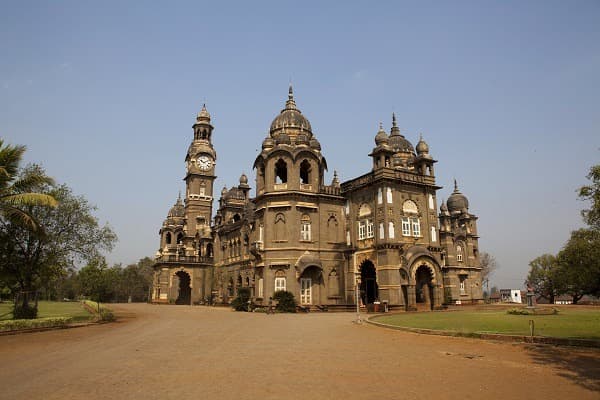
The Mahalakshmi Temple (Ambabai) is the spiritual heart of the city: built in hemadpanthi stone, it attracts pilgrims from across Maharashtra. Kolhapur Palace (New Palace), now a museum, displays weapons, hunting trophies and objects from the Bhonsle court. The old palace (Rankala Lake) and Rankala Lake complete the urban landscape.
History and context
Kolhapur was the seat of a Marathi princely state founded by Rajaram, son of Shivaji, in the 17th century. The city played an important role in the social reform movement under Chhatrapati Shahu Maharaj (reign 1894-1922), who abolished caste discrimination in his state well before Indian independence. This progressive legacy remains a point of local pride.
Highlights of your visit
Mahalakshmi Temple (Ambabai)
Dedicated to the goddess Mahalakshmi, this 7th-century temple is one of the most revered shakti peethas of the Deccan. The black stone architecture, intricate sculptures and atmosphere of intense devotion make it a singular site. Arrive early in the morning to avoid long queues.
New Palace and Chhatrapati Shahu Museum
This 19th-century Indo-Saracenic palace houses a remarkable collection: armour, royal palanquins, court paintings and hunting trophies. The architecture seamlessly blends Hindu, Jain and Islamic styles.
Rankala Lake
This artificial lake in the heart of the city is a popular evening stroll destination. The ghats bordering it and the small temple on the central island create a peaceful atmosphere, away from the bustle of the bazaar.
Bazaar and crafts
Kolhapur is renowned for its leather sandals (kolhapuri chappals), gold jewellery worked according to traditional techniques and metal utensils. Mahadwar Road market concentrates these artisan shops.
Etiquette and visiting rules
- Remove your shoes before entering the Mahalakshmi Temple.
- Non-Hindus may visit the outer precinct; access to the inner sanctum may be restricted depending on the day and ceremonies.
- Dress in a covered manner (no shorts or tank tops).
- Photography is forbidden inside the main sanctum.
- Speak quietly during prayers and rituals.
Photography tips
Golden morning light is ideal for photographing the black stone facade of the Mahalakshmi Temple. Rankala Lake offers beautiful reflections in the late afternoon. For New Palace, mid-morning light avoids harsh shadows on sculpted facades. Always check restrictions before getting your camera out in places of worship.
Location and access
Kolhapur is located in southern Maharashtra, approximately 230 km south of Pune and approximately 375 km from Mumbai. Kolhapur railway station is well served by express trains from both cities. State buses (MSRTC) connect Kolhapur to Pune, Sangli, Belgaum and Goa. Within the city, auto-rickshaws and local taxis are the usual mode of transport. Wheelchair accessibility remains limited in historic sites and ancient temples.
Nearby attractions
- Panhala Fort — Marathi fortress perched in the Ghats, about twenty kilometres northwest, with extensive views over the plain.
- Sangli — neighbouring city known for its turmeric market, one of the largest in India.
- Radhanagari Reserve — wildlife sanctuary in the Western Ghats, habitat of the gaur (Indian bison) and many birds.
- Narsobachi Wadi — pilgrimage site on the confluence of the Krishna and Panchaganga rivers, important for devotees of Dattatreya.
Frequently asked questions
October to March brings dry and pleasant weather. Summer (April-June) is hot. Monsoon (July-September) makes the Ghats verdant but roads can be difficult.
Yes: shoulders and knees covered, shoes removed at the entrance. Avoid transparent or tight-fitting clothing.
Yes. Kolhapur is a natural stop on the route between Pune and Goa. Direct buses connect the two destinations; the journey takes several hours depending on the chosen itinerary.
Kolhapuri leather sandals are the emblematic craft. Locally worked gold jewellery and spices (notably kolhapuri masala) are also good souvenirs.
Yes, Kolhapuri cuisine is renowned for its spicy intensity. Tambda rassa (red curry) and pandhra rassa (white curry) are the signature dishes to try in local restaurants.
One day is enough for main sites (temple, palace, lake). Two days allow you to explore the bazaar, Panhala Fort and surroundings at a comfortable pace.
Photos
Want to discover this destination?
Our local advisors design your tailor-made trip.