Hospet
Hospet
Far more than a stopover to Hampi, Hospet reveals authentic Karnataka: vibrant markets, Vijayanagar heritage and the banks of the Tungabhadra River.
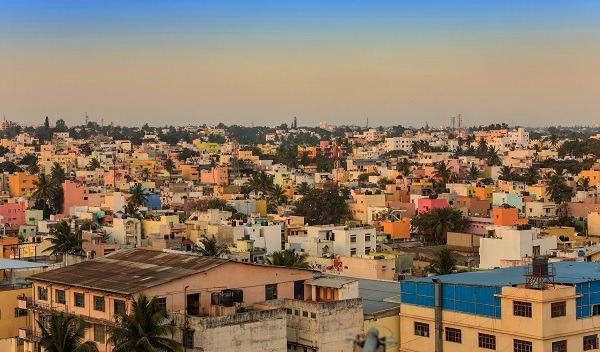
Hospet (Hosapete), in the state of Karnataka, is often viewed as merely a stepping stone to the famous ruins of Hampi, a UNESCO World Heritage Site. Yet it deserves your attention in its own right. Its strategic position, colorful markets and connections to Vijayanagar history make it a city that is at once practical, vibrant and steeped in memory.
History
Hospet was founded in 1520 by King Krishna Deva Raya, an emblematic sovereign of the Vijayanagar empire, as a tribute to his mother, Nagala Devi. Its original name, Naagalapura, evolved over time into Hosa Pete, meaning "new city" in Kannada.
Situated at the western gateway to Vijayanagar, it served as an obligatory passage for merchants traveling from the coast. Following the empire's defeat at the Battle of Talikota in 1565, Hospet declined, yet continued to thrive thanks to its proximity to the Tungabhadra River.
During the colonial period, the British developed roads and railways here, strengthening its role as a service hub. Today, Hospet remains a regional crossroads, marked by steel and mining industries, while remaining inseparable from Hampi.
What to See and Do in Hospet?
Tungabhadra Dam
Built in the 20th century by engineer Thirumalai Iyengar, this vast dam is one of Karnataka's major infrastructures. It holds back waters from the meeting of the Tunga and Bhadra rivers, forming the Tungabhadra. Beyond its economic role (irrigation and electricity), it makes for a pleasant visit. Its banks are ideal for bird-watching and sunset strolls.
Hospet Market
Located at the heart of the city, Hospet Market illustrates its vibrant energy. Here you'll find powerfully fragrant spices, tropical fruits, textiles and artisanal crafts. The place is ideal for discovering local gastronomy through small food stalls. It's also an immersion into the daily lives of locals.
Hampi
Just 13 km from Hospet, Hampi is unmissable. Former capital of Vijayanagar, it captivates with:
- the Virupaksha Temple, still active and a pilgrimage center,
- the royal ruins (palaces, elephant stables, audience halls),
- the Lotus Mahal, a refined structure inspired by both Hindu and Islamic architecture,
- hills and panoramas, perfect for admiring rocky landscapes and rice paddies.
Hampi is far more than an archaeological site: it's a journey into the heart of medieval Indian history and a place apart, where you can still perceive the splendor of the ancient empire.
Harihar
Nestled on the Tungabhadra, Harihar is a small town renowned for its temple built in 1223 and dedicated to Harihareshwara. It also houses an archaeological museum displaying manuscripts, ancient coins and objects linked to local conflicts.
Anantasayanagudi
This village was founded by Krishna Deva Raya in memory of his deceased son. He had a richly decorated temple built there, composed of a mahamandapa, a sabhamandapa and a sanctuary (garbhagriha). The ensemble illustrates the architectural refinement of the era.
Lotus Mahal
Located near the Hazara Ram temple, the Lotus Mahal owes its name to its lotus-shaped dome. Designed as a meeting and leisure space for the court's women, this two-story pavilion stands out for its harmonious blend of Hindu and Muslim styles.
Chitradurga
About 100 km from Hospet, Chitradurga attracts visitors with its monumental fort, nicknamed Kallina Kote ("the palace of stones"). Built over several centuries, it is protected by seven ramparts and houses nineteen temples. Its secret passages, water reservoirs and defensive architecture bear witness to the military and religious life of bygone days.
Getting There
- By Train: Hospet Station (Hosapete Junction) is well connected to Bengaluru, Hyderabad, Goa and Chennai.
- By Bus: Numerous companies operate regular connections to major cities in Karnataka.
- By Air: The nearest airport is Jindal Vijayanagar, 30 km away, with daily flights to Bengaluru and Hyderabad.
Getting Around
In Hospet and its surroundings, several transport options are available:
- Rickshaws: economical for short distances. Remember to negotiate the fare before departure.
- Private Taxis: convenient for reaching Hampi or other tourist sites.
- Scooter or Bicycle Rentals: very popular with independent travelers for exploring freely.
- Local Buses: affordable but often crowded, they connect Hospet to surrounding villages and Hampi.
Climate in This Region of Karnataka
Hospet enjoys a tropical climate, marked by a dry season and a rainy season. From June to September, the monsoon brings humidity and lush landscapes. Summer (March–May) is very hot and can make visits challenging. The best time to discover Hospet and Hampi remains October to February, when temperatures are pleasant and skies are clear.
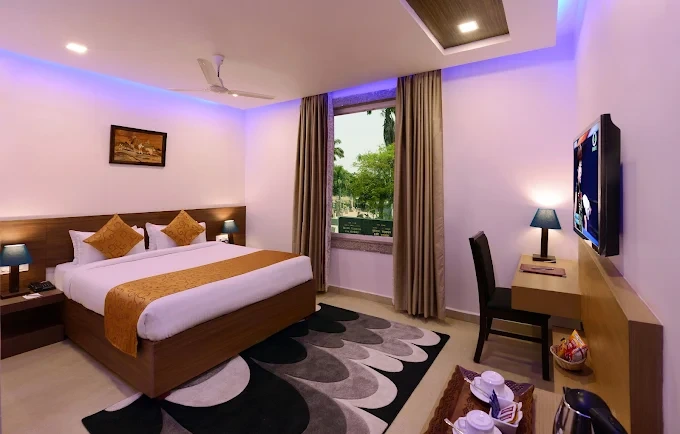
Accommodation in Hospet
Want to discover this destination?
Our local advisors design your tailor-made trip.