Gopalpur
A former British port of call on the Bay of Bengal, Gopalpur-on-Sea offers calm beaches, a colonial lighthouse and the authentic bustle of fishing life — far from saturated tourist circuits.
Gopalpur-on-Sea is a former seaside resort in Odisha, on the east coast of India, facing the Bay of Bengal. Once an active port under British rule, it retains a quietness that India's major tourist beaches have long since lost. Its golden-sand beaches, fishing nets and period bungalows make it a beloved stop for travellers seeking calm away from crowded circuits.
Quick Practical Information
- Access: the nearest railway station is Berhampur (Brahmapur), approximately 16 km away — auto-rickshaws and taxis provide the connection.
- Best time to visit: October to March, outside the monsoon season and extreme heat.
- Recommended duration: one to two nights to enjoy the beach and sunset.
- Swimming: currents can be strong; check locally before entering the water.
What to See
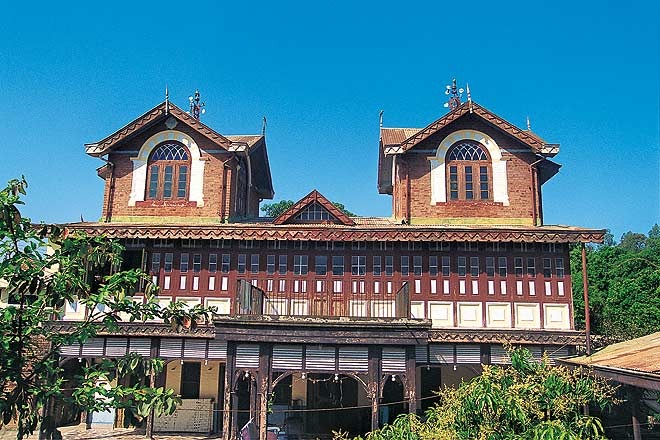
The main beach stretches for several kilometres, lined with casuarina trees. Colourful fishing boats set out early in the morning; nets are hauled by hand onto the sand by late morning. The old colonial lighthouse marks the entrance to the town. A few narrow streets retain Anglo-Indian architecture, witnesses to the town's maritime past.
History and Context
Gopalpur was an active export port under British rule, notably for trade with Burma and Southeast Asia. Merchants from the Chettiar community had established trading posts here. After independence, maritime traffic declined and the town gradually reinvented itself as a holiday resort frequented by families from Odisha and Andhra Pradesh.
Highlights of a Visit
The Beach at Sunrise
The sun rises directly over the sea from this eastern coast. Arriving on the beach before 6 a.m. allows you to watch fishermen prepare their boats in golden light, without crowds.
The Colonial Lighthouse
The brick lighthouse, dating from the British era, is one of the town's visual landmarks. Its understated architecture contrasts beautifully with the blue of the bay. Interior access is not always open to visitors; the exterior is freely photographable.
The Morning Fish Market
At the water's edge, the arrival of boats and direct sale of fish create a lively, authentic moment. Tuna, prawns and crabs are negotiated quickly before the heat of the day sets in.
Photography Tips
The light at sunrise, grazing across wet sand, is ideal for photographing fishing boats. Late in the afternoon, the lighthouse stands out well against the sky. Avoid midday: glare on the sand is intense and colours flatten.
Location and Access
Gopalpur-on-Sea is located in Ganjam district, Odisha, approximately 16 km south of Berhampur. Berhampur is connected by train to Bhubaneswar (approximately 4–5 hours) and Visakhapatnam to the south. From Berhampur, auto-rickshaws and shared taxis serve Gopalpur regularly. The road runs through rice paddies and coconut plantations.
Nearby Attractions
- Berhampur — bustling market town, renowned for its Berhampuri silk saris and temples.
- Chilika Lake — Asia's largest coastal lagoon, approximately 100 km to the north, a sanctuary for Irrawaddy dolphins and thousands of migratory birds.
- Taptapani — sulphurous hot springs in the Ganjam hills, approximately 50 km inland.
Frequently asked questions
October to March offers dry weather and pleasant temperatures. The monsoon season (June–September) brings intense rainfall and dangerous waves that make swimming impossible.
Currents can be strong, particularly outside peak season. Check with fishermen or your accommodation before entering the water. There is no organised beach patrol.
Take a train to Berhampur, then a taxi or auto-rickshaw to Gopalpur. The train journey takes approximately 4 to 5 hours depending on the service chosen.
Yes. Chilika Lake is approximately 100 km to the north. A two to three-day itinerary allows you to combine both sites by routing through Bhubaneswar or Puri.
Gopalpur is a public beach with no strict dress code. When visiting nearby temples, cover shoulders and knees out of respect for local customs.
Want to discover this destination?
Our local advisors design your tailor-made trip.