Cochin
Cochin
A colonial port on Kerala's coast, Kochi weaves together Portuguese alleyways, a 16th-century synagogue, Chinese fishing nets, and a thriving contemporary art scene. A crossroads city to explore in two to three days before venturing into the backwaters.
Kochi — long spelled Cochin — is Kerala's principal port, situated on the Malabar Coast. A commercial hub since the 15th century, the city blends a Portuguese and Dutch colonial quarter, synagogues, churches, mosques, and a waterfront punctuated by Chinese fishing nets. It is the natural gateway to Kerala and one of southern India's most cosmopolitan cities.
Quick Practical Guide
- Access: Cochin International Airport (COK) approximately 30 km from the center; Ernakulam Junction railway station well-connected from Mumbai, Delhi, Chennai, and Bangalore.
- Ferry: Regular crossings between Ernakulam (modern city) and Fort Kochi; affordable public service, essential for reaching the peninsula.
- Recommended duration: 2 to 3 days to cover Fort Kochi, Mattancherry, and nearby backwaters.
- Dress code: Covered clothing recommended when visiting synagogues, mosques, and churches.
- Best season: October to March (dry season, pleasant temperatures).
What to See
Kochi divides into several distinct zones. Fort Kochi concentrates colonial heritage: cobbled streets, verandaed houses, contemporary art galleries, and the famous teak wood Chinese fishing nets. Mattancherry is home to the Dutch Palace (remarkable Hindu murals) and Jew Town, with its antique and spice shops. Ernakulam, on the mainland, serves as the modern commercial and administrative center.
History and Context
Vasco da Gama arrived in Kochi in 1500; the Portuguese established the first European trading post in India here. The Dutch took the city in 1663, followed by the British in 1795. Each occupier left an architectural imprint: St. Francis Church (1503, the oldest European church in India), Mattancherry Palace, spice warehouses. The Paradesi Synagogue (1568) testifies to a Jewish community now nearly disappeared but whose heritage remains visible.
Highlights of a Visit
Chinese Fishing Nets
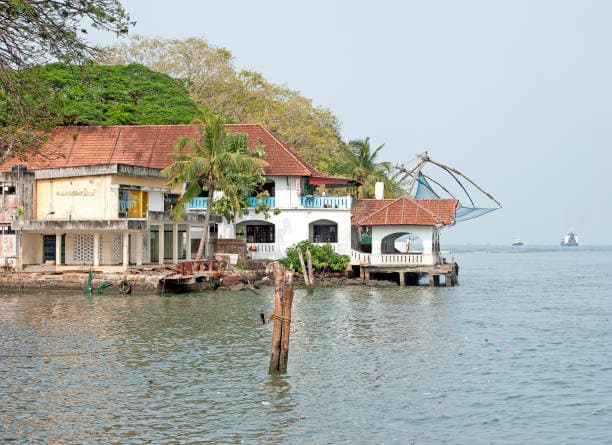
Installed along Fort Kochi's waterfront, these cantilever wooden and bamboo nets have been hand-operated since the 14th century. The sunset view from this spot ranks among Kerala's most photographed scenes.
Mattancherry and Jew Town
The Dutch Palace preserves 17th-century murals illustrating the Ramayana. Nearby, the Paradesi Synagogue (1568) features a floor of Cantonese porcelain tiles and Belgian chandeliers. Entry is fee-based; shoes must be removed.
St. Francis Church
Built in 1503 by Portuguese Franciscans, it was the temporary burial place of Vasco da Gama before his remains were transferred to Portugal. The building, simple and whitewashed, remains active today.
Fort Kochi's Arts Scene
Since the launch of the Kochi-Muziris Biennale in 2012, Fort Kochi has emerged as a major contemporary art hub in Asia. Repurposed colonial warehouses host permanent and rotating exhibitions throughout the year.
Kathakali and Kalaripayattu
Several cultural centers in Fort Kochi offer daily performances of Kathakali (classical Kerala dance-theater) and demonstrations of Kalaripayattu (ancestral martial art). Evening sessions allow you to watch artists' makeup preparation before the show.
Etiquette and Visiting Rules
- Remove your shoes before entering the synagogue, mosques, and Hindu temples.
- Shoulders and knees covered in all places of worship.
- Photography is prohibited inside the Paradesi Synagogue.
- Access to Hindu temples may be restricted to Hindu devotees.
Photography Tips
Fort Kochi's waterfront is ideal at dawn (golden light on the nets, fishermen at work) and sunset. Mattancherry's alleyways offer striking perspectives of colonial facades in late afternoon. Avoid using flash in places of worship and ask permission before photographing people.
Location and Access
Kochi lies on India's southwestern coast, in Kerala State. Fort Kochi and Mattancherry occupy a peninsula accessible from Ernakulam by ferry or by road (via bridge). Cochin International Airport (COK) offers direct flights from major Indian cities and several international destinations. Auto-rickshaws and taxis are available everywhere; the public ferry remains the most convenient and pleasant way to reach Fort Kochi from Ernakulam.
Nearby places accessible as day trips: Kerala Backwaters, Munnar (approximately 130 km), Alleppey (Alappuzha).
Surroundings
- Alleppey (Alappuzha) — the backwaters capital, departure point for houseboat cruises on Kerala's lagoon network.
- Munnar — a hill station surrounded by tea plantations, approximately 3-4 hours by road.
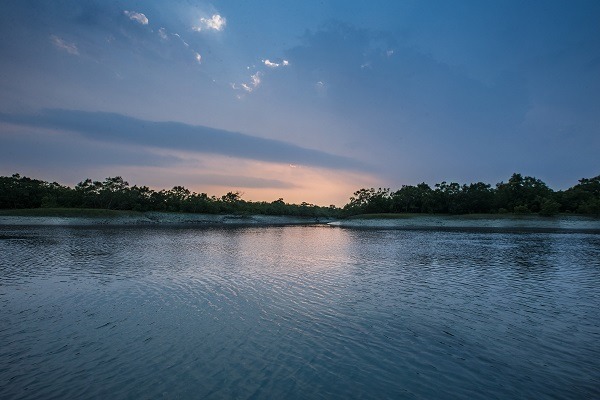
- Kerala Backwaters — a network of lagoons, lakes, and canals ranked among India's most singular landscapes.
- Periyar Reserve — a national park home to elephants and tigers, accessible from Kochi in half a day.
Frequently asked questions
October to March offers the dry season with pleasant temperatures and minimal rainfall. Avoid June-August (intense monsoon). The Kochi-Muziris Biennale typically runs from December to March.
The public ferry is the most practical and enjoyable option. Crossings are frequent throughout the day. Taxis and auto-rickshaws also use the road bridge.
Yes. Alleppey (Alappuzha), the houseboat departure point, is approximately 1.5 hours from Kochi. A night on a houseboat integrates easily into a 4-5 day Kerala itinerary.
Covered shoulders and knees are required in places of worship (synagogue, mosques, churches, temples). Bring shoes that are easy to remove.
Several cultural centers in Fort Kochi offer evening performances. Arriving early allows you to watch artists' makeup application, an integral part of the spectacle.
Two days suffice for Fort Kochi and Mattancherry. Add a third day if you wish to explore Ernakulam, attend a cultural performance, or take an excursion to the backwaters.
Want to discover this destination?
Our local advisors design your tailor-made trip.