Chitwan National Park
Chitwan National Park
Nepal's first national park, Chitwan spans 932 km² of jungle where one-horned rhinoceros and Bengal tigers coexist with the Tharu community.
Nestled in the lowlands of Nepal, Chitwan National Park offers a rare immersion into the wildlife of South Asia. With its forests, rivers and plains, it provides travelers with a unique balance between wildlife observation, cultural discovery and breathtaking landscapes. This UNESCO World Heritage site is an unmissable destination for those who wish to explore Nepal beyond the Himalayas.
A Must-See in Nepal
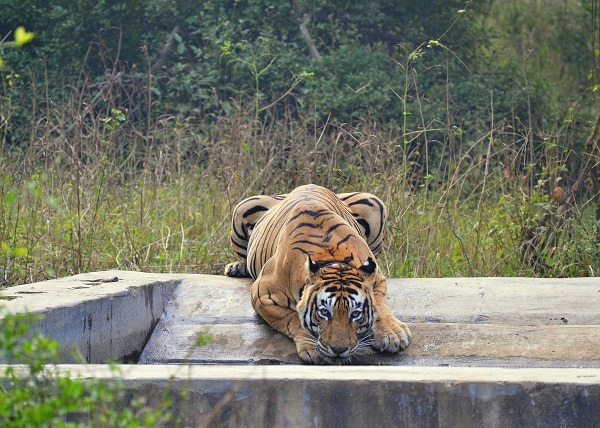
Chitwan National Park ranks among the country's most visited sites, alongside Kathmandu and Pokhara. A true natural sanctuary, it is home to exceptional wildlife, including the Asian one-horned rhinoceros and the Bengal tiger, two emblematic species threatened with extinction today.
Its dense forests, grasslands and the Rapti River form an ideal habitat for over 750 animal species. Birdwatching enthusiasts will find paradise here. 544 bird species, from vibrant kingfishers to soaring eagles, thrive throughout the park.
Beyond nature, Chitwan is also a place of human connection. The Tharu community has inhabited this Terai region for centuries and willingly shares its traditions, dances and craftsmanship with visitors.
History
For centuries, the Chitwan Valley was exclusively reserved for the aristocracy, where kings and foreign dignitaries organized lavish hunts, tracking tigers and rhinoceros. One infamous expedition was the 1911 expedition led by King George V and Edward VIII, which epitomizes this era.
These practices, combined with widespread poaching, caused a dramatic decline in animal populations. The one-horned rhinoceros was particularly hard hit, facing the brink of extinction.
Recognizing the ecological crisis, the Nepali government became aware of the urgency and decided to act. From the 1960s onward, an armed reconnaissance patrol was established to protect the remaining survivors.
These efforts culminated in 1973 with the official recognition of Chitwan as Nepal's first national park, with clearly defined boundaries. The subsequent addition of the adjacent Parsa Reserve further strengthened its overall ecological integrity.
Thanks to these conservation efforts, we can today admire numerous mammals in the Chitwan Valley once again.
What to Do at Chitwan National Park?
1. Take a Walking Safari
Accompanied by a guide, follow the park's trails in search of wildlife. This immersive experience promises unique proximity to nature. It also allows you to appreciate the forest's silence, broken only by monkey calls or birdsong.
2. Go on a Jeep Safari
A jeep is perfect for traversing open plains and venturing into forest-covered hills. You'll increase your chances of encountering the park's rhinoceros, elephants, deer and big cats. The vehicle allows you to cover long distances and explore less accessible areas.
3. Canoe on the Rapti River
A boat ride on the Rapti reveals another side of the park. Gliding silently across the water, you may spot marsh crocodiles resting on the banks and observe aquatic life. It's also an excellent way to enjoy the cool morning breeze.
4. Discover Tharu Culture
As mentioned above, the region is also the territory of the indigenous Tharu community. Their villages, situated around and within the park, offer opportunities to discover their traditions, craftsmanship and dances.
5. Birdwatching
The birds of Chitwan inhabit its wetlands and forests. Kingfishers, fishing eagles, herons and open-bills can be observed with simple binoculars.
6. Watch the Sunset
Toward the end of the day, settle along the banks of the Rapti. The reflection of the setting sun on the river, with the Himalayas as backdrop, offers one of the park's most stunning vistas. The perfect setting to gently conclude your day of exploration.
Practical Information
What is the Best Time to Visit Chitwan National Park?
Choose the dry season, from November to April, when trails are accessible and visibility favors wildlife observation.
Chitwan National Park is accessible by an 8-hour drive from Kathmandu. Tourist buses stop at Sauraha, the village that serves as a base for visitors. You'll find accommodations and restaurants there. If you wish to save time, a domestic flight connects Kathmandu to Bharatpur, located about thirty minutes from Sauraha.
Access is mandatory with an authorized guide. Activities (safaris, canoeing and trekking) are organized by local agencies or lodges situated around the park.
How Much Does a Safari at Chitwan National Park Cost?
Prices vary depending on duration and safari type. Budget between 20 and 60 USD on average, excluding park entrance fees set by authorities.
FAQ
What Should You Know About Chitwan National Park?
Spanning 932 square kilometers, the park protects the last Terai ecosystems and the watershed of the Rapti and Narayani rivers. It plays a key role in Nepal's ecological balance.
Which Nepal Wildlife Lives in the Park?
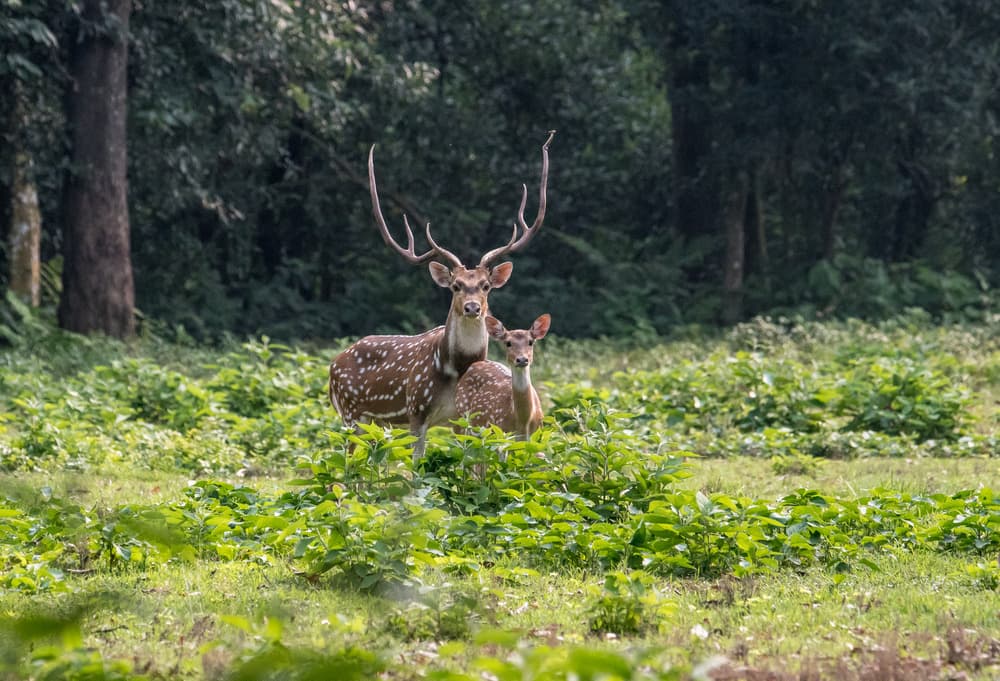
Beyond the animals already mentioned, you'll find striped hyenas, wolves and sloth bears, which hide in dense forests. Rivers are home to the rare gharial, an endangered crocodilian. The fauna also includes pythons, various langur species, wild boar and numerous cervids, which populate the grasslands.
What is the Distance Between Lumbini and Chitwan National Park?
Approximately 150 kilometers separate Lumbini from Chitwan, about 4 to 5 hours by road.
Want to discover this destination?
Our local advisors design your tailor-made trip.