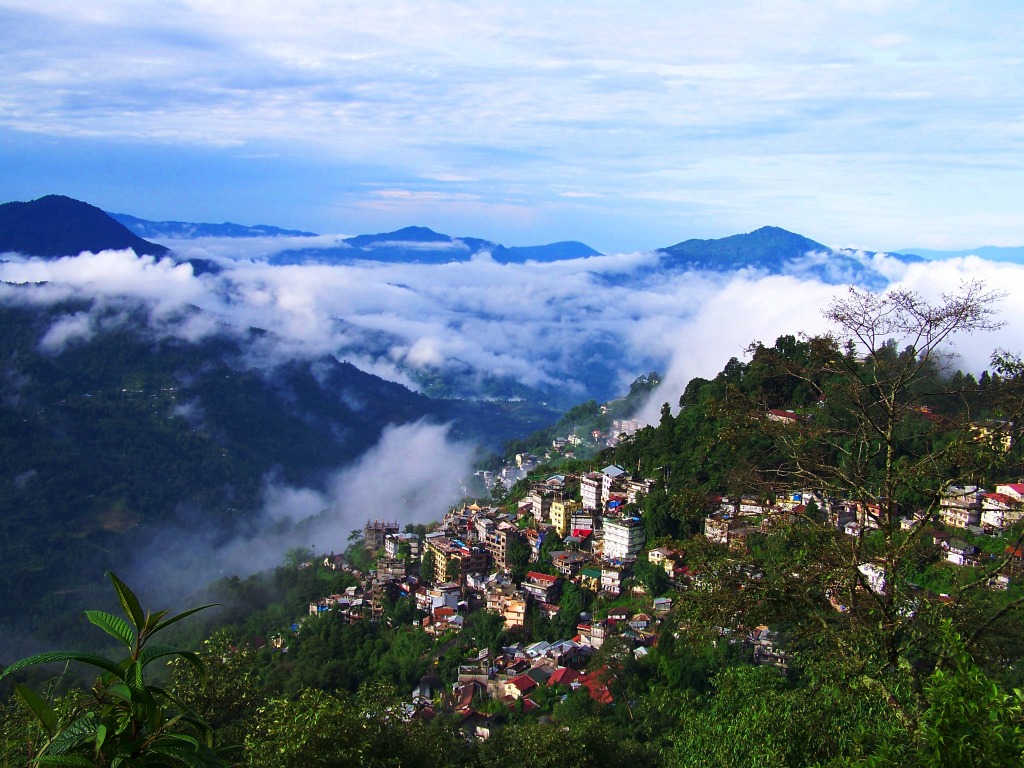
Base of Kanji La (4390m)
At 4,390 metres altitude in Kargil district, Kanji La base camp marks the central stage of the Lamayuru–Zanskar trek, one of the Himalayas' most remote and least-travelled routes in Ladakh.
Kanji La Pass base camp, at 4,390 metres altitude, marks the key staging point before crossing the pass that connects Kanji Valley to Zanskar. This bivouac site, located in Kargil district in Ladakh, is visited by trekkers following the Lamayuru–Kanji–Zanskar route. The mineral landscape, arid ridges and absolute solitude make it a distinctive halt in the Indian Himalayas.
Quick facts at a glance
- Altitude: 4,390 m (base camp); the pass itself exceeds 4,900 m.
- Access: On foot only, from Kanji village or from Lamayuru via several days' trekking.
- Recommended season: June to September — the pass is snow-covered and impassable the rest of the year.
- Permit: No specific permit required for Indian nationals; foreign visitors should check current requirements for inner Ladakh.
- Accommodation: Camping only; no fixed infrastructure on site.
- Recommended duration: One night's stage as part of a multi-day trek.
- Accessibility: Not wheelchair accessible.
What you'll see
The base camp sits in a narrow valley, bordered by rock faces in ochre and grey tones. Residual glaciers feed a torrent flowing through the campsite. Vegetation is sparse at this altitude; only patches of short grass and scree dominate. In clear weather, the snow-capped summits of Zanskar appear to the south.
History and context
Kanji La Pass is a traditional trade and seasonal migration route between Ladakh and Zanskar, used for centuries by local inhabitants. The Lamayuru–Kanji–Zanskar route was rediscovered by trekkers in the 1980s–1990s when Ladakh opened to tourism. It remains one of the region's least-travelled treks, far removed from commercial circuits like the Markha or Stok Kangri.
Highlights of your visit
The ascent to the pass
From base camp, the approach to Kanji La Pass (beyond 4,900 m) crosses moraine and snow fields. The effort is sustained, but the panorama at the summit — Zanskar on one side, Ladakh on the other — fully rewards the climb.
Silence and isolation
At this altitude and on this unmarked route, encounters with other groups are rare. A night at base camp beneath light-pollution-free skies offers an exceptional starry vault.
High-altitude wildlife
Sightings of bharals (Himalayan blue sheep) are regularly reported on the surrounding slopes. Raptors — notably golden eagles and lammergeiers — patrol the ridges.
Photography tips
Morning light, before clouds rise from the valleys, gives the sharpest views of ridges and glaciers. Dawn's warm tones contrast beautifully with grey-blue rock. Bring spare batteries: night-time cold drains them quickly.
Location and access
Kanji village, the usual starting point, is reachable from Kargil by rough track. From Kargil, shared jeeps or private vehicles connect to Kanji. The trek to base camp typically takes one day's march from the village. The full Lamayuru–Kanji La–Zanskar itinerary spans five to seven days depending on pace.
Nearby highlights
- Lamayuru Monastery — one of Ladakh's oldest gompas and the classic starting point for treks to Kanji La.
- Kargil — the region's main town, your logistical base for organising treks and gathering local information.
- Zanskar Valley — the final destination of the crossing, renowned for its gorges and remote monasteries.
Frequently asked questions
June to September. Outside this window, the pass is snow-covered and crossing is dangerous or impossible.
The trail is poorly marked and terrain can be deceptive in bad weather. An experienced local guide is strongly recommended, especially for groups lacking Himalayan trekking experience.
The glacier-fed torrent provides water, but it must be filtered or treated before drinking.
Good physical fitness and prior altitude acclimatisation are essential. It is recommended to spend at least two nights in Leh or Kargil before starting the trek.
Yes. Lamayuru is the classic starting point for the route. Plan an extra half day to visit the monastery before beginning your trek.
Want to discover this destination?
Our local advisors design your tailor-made trip.