Valley of Flowers
An 87 km² alpine corridor in the Indian Himalayas, the Valley of Flowers transforms during the monsoon into a carpet of over 500 wild plant species. UNESCO-listed and accessible from June to October via Ghangaria.
The Valley of Flowers is a national park located in Chamoli district, Uttarakhand, at over 3,500 meters altitude in the Indian Himalayas. This alpine corridor spanning some 87 km² becomes blanketed each monsoon season with a dense tapestry of endemic wildflowers. Designated a UNESCO World Heritage Site in 2005 (alongside the Nanda Devi sanctuary), it attracts botanists, trekkers, and pilgrims making their way to Hemkund Sahib.
Quick reference information
- Entrance: paid admission — separate fees for Indian nationals and foreign visitors, collected at Ghangaria checkpoint
- Season: the park is accessible from June to October; closed the remainder of the year due to snow
- Best time: mid-July to mid-August, peak blooming period
- Recommended duration: a full day from Ghangaria (round-trip)
- Footwear: hiking boots essential, warm clothing necessary even in summer
- Accessibility: not wheelchair accessible — unimproved mountain trail
- Camping: prohibited within the park
What you'll see
Over 500 flowering plant species have been documented in the valley: anemones, primulas, cinquefoils, brahmakamal (Saussurea obvallata, Uttarakhand's sacred flower), and Himalayan blue poppies (Meconopsis aculeata). Fauna includes the Himalayan brown bear, snow leopard (rarely spotted), musk deer, and various alpine bird species.
History and context
The valley remained unknown to the outside world for centuries. In 1931, British mountaineer Frank Smythe discovered it by chance during an expedition and named it in his 1938 work The Valley of Flowers. Botanist Joan Margaret Legge conducted research there in the 1930s and died there in 1939; her grave stands at the valley's entrance. The Indian government designated the site as a national park in 1982.
Highlights of your visit
The monsoon flower carpet
Between July and August, the slopes transform in successive color layers according to altitude. Each week brings changes in the floral composition: an early-season visit differs markedly from one in late August.
Joan Legge's grave
At the valley's entrance, a small memorial marks where the British botanist died in 1939 following a fall. This subtle historical landmark reflects the site's exploration history.
The brahmakamal
An emblematic flower of Uttarakhand, the brahmakamal grows at high altitude and blooms at night. It is revered as sacred in Hindu tradition and offered in regional temples.
Views of surrounding summits
The valley is framed by ridges exceeding 6,000 meters. On clear days, suspended glaciers above the valley are visible from the corridor floor.
Etiquette and visit rules
- Picking or uprooting plants is strictly prohibited.
- All litter must be carried out — no waste bins in the park.
- Local guides are recommended but not mandatory.
- Overnight camping and fires are forbidden within the park.
- Domestic animals are not permitted.
Photography tips
Morning light between 7 and 10 a.m. provides soft illumination before monsoon clouds build. Bring a polarizing filter to reduce glare on wet flowers. Partly misty days create a distinctive atmosphere, though colors are most vibrant under clear skies. Wildlife photography requires patience and a telephoto lens — stay on marked trails at all times.
Location and access
The starting point is Govindghat, reachable by bus or taxi from Joshimath (approximately 20 km). From Govindghat, a motorable road leads to Pulna, then a hiking trail of about 9 km reaches Ghangaria, the only base village. From Ghangaria, allow about 4 km more to the valley entrance. Helicopters link Govindghat to Ghangaria in season, reducing physical exertion. Joshimath is the main hub for services (banks, hospitals, comfortable accommodations).
Nearby attractions
- Hemkund Sahib — Sikh shrine at 4,329 m altitude, accessible from Ghangaria; glacial lake surrounded by seven peaks.
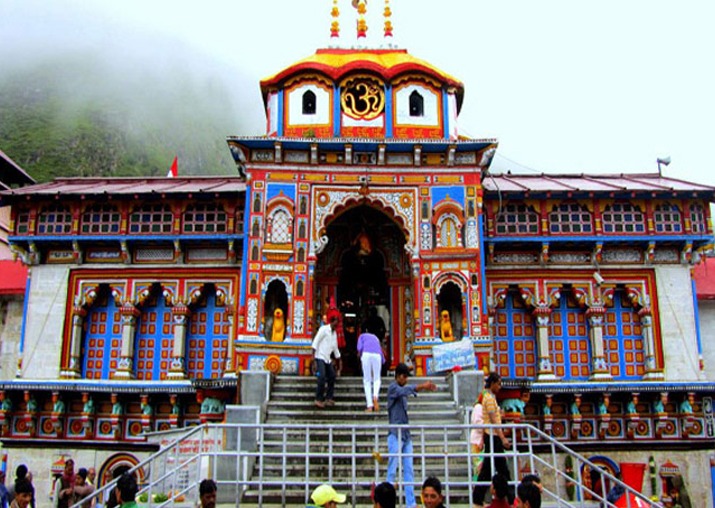
- Badrinath — one of Hinduism's four sacred dhams, roughly 45 km from Govindghat; temple dedicated to Vishnu on the Alaknanda River.
- Joshimath — essential hub city for accessing the valley, home to the Adi Shankaracharya temple and a cable car to Auli.
- Auli — Himalayan ski resort offering panoramas of Nanda Devi (7,816 m), accessible from Joshimath.
Interested in this visit?
We can include it in your personalised itinerary.