Tuensang
Tuensang, the district headquarters in eastern Nagaland, is a meeting point for several Naga tribes. Colorful markets, traditional villages and subtropical forests create an authentic tableau, far from mainstream tourist routes.
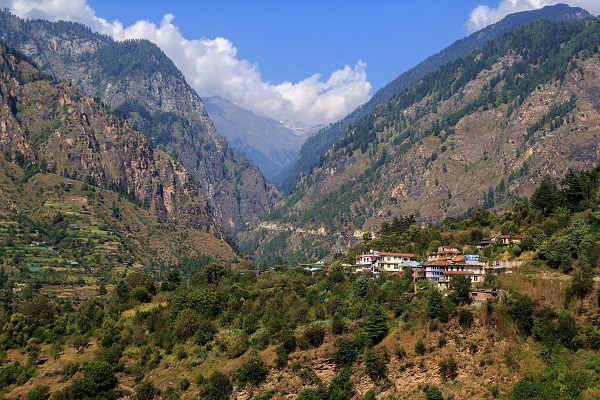
Tuensang is the district headquarters of the eponymous district in eastern Nagaland, bordering Myanmar. Perched on densely forested hills, this town is the traditional territory of the Sangtam, Chang, Khiamniungan and other Naga tribes. Far from conventional tourist circuits, it offers direct contact with living tribal cultures, vibrant local markets and subtropical forest landscapes. It is one of the few places in Nagaland where traditional village life remains largely untouched.
Practical information at a glance
- Permit required: foreign nationals must obtain a Restricted Area Permit (RAP) or Inner Line Permit (ILP) before entering Tuensang district.
- Access: road from Kohima (Nagaland's capital) or from Mon; mountain roads may become impassable during monsoon.
- Best time to visit: October to April, outside monsoon season.
- Recommended duration: 1 to 2 days to explore the town and nearby villages.
What to see
Tuensang's weekly market brings together members of several tribes exchanging agricultural products, hand-woven textiles and artisanal objects. Tribal shawls bearing distinctive geometric patterns—unique to each group—are particularly striking. Around the town, villages such as Sangsomo and Noksen preserve morung (traditional men's houses) and wood carvings characteristic of Naga art.
History and context
Tuensang district long remained one of Nagaland's most isolated zones, integrated late into Indian administration after independence. The tribes living here have preserved oral traditions, agricultural rituals and symbolic warrior practices passed down through generations. The region witnessed political tensions tied to the Naga independence movement, which partly explains the access restrictions still in place today.
Highlights of a visit
The tribal market
Tuensang's market is a unique inter-tribal meeting place. Several ethnic groups converge here, each recognizable by traditional dress and adornment. It is the most accessible spot to observe the district's cultural diversity without venturing into remote villages.
Surrounding Naga villages
Villages around Tuensang retain traditional architecture: stilt houses, carved doorways and morung adorned with animal skulls and warrior motifs. A visit with a local guide is strongly recommended to respect tribal welcome protocols.
Hill country landscapes
The district is blanketed in subtropical forests and terraced rice paddies. Viewpoints from Tuensang's heights offer panoramas across deep valleys and ridgelines stretching to the Myanmar border.
Etiquette and visit guidelines
- Always ask permission before photographing people or the interiors of homes.
- In villages, wait to be invited before entering a morung or private dwelling.
- Respect the guidance of village headmen (gaonbura): their approval is often necessary for staying in a village.
- Avoid gestures or attire deemed disrespectful during tribal ceremonies or festivals.
Photography tips
Morning light is ideal for photographing misty hills and villages. Market day offers the most colorful scenes. Favor a versatile lens: spaces are often tight in village alleyways. Always verify subject consent before shooting.
Location and access
Tuensang lies in eastern Nagaland, several hours by road from Kohima via winding mountain passes. The nearest airport is Dimapur, Nagaland's principal entry point. Shared vehicles and jeeps connect Kohima to Tuensang, though schedules vary by season. Accessibility for visitors with mobility challenges is severely limited due to mountainous terrain and road conditions.
Nearby areas
- Kohima — Nagaland's capital, home to its famous war cemetery and state museum.
- Mon — Konyak territory, a tribe known for headhunting traditions, accessible from Tuensang.
- Noksen — Chang village near Tuensang, renowned for festivals and textile craftsmanship.
Frequently asked questions
Yes. Foreign nationals must obtain a Restricted Area Permit (RAP) in addition to the Inner Line Permit (ILP) required for all of Nagaland. Check with the Indian consulate or a local agency before departure, as conditions may change.
October to April, outside monsoon season. Mountain roads become difficult or impassable between June and September. Winter months (November-February) offer clear skies and pleasant daytime temperatures.
A road connects Kohima to Tuensang via mountain passes. Shared jeeps and state buses run this route, but schedules are irregular. Plan for a full day of travel and check conditions before departing.
Technically possible, but strongly discouraged. A local guide knows welcome protocols, speaks tribal languages and facilitates village access. Without one, you risk arriving without the village headman's permission.
Guesthouses and circuit houses (government accommodations) exist in Tuensang, but options remain limited. Advance booking is advised, especially during festival season.
Several tribes in the district celebrate agricultural festivals between November and January—a period coinciding with Nagaland's Hornbill Festival in Kohima. Check locally for exact dates, which vary yearly according to tribal calendars.
Interested in this visit?
We can include it in your personalised itinerary.