Triyugi Narayan
A Himalayan sanctuary dedicated to Vishnu, Triyugi Narayan is renowned for its sacred fire burning uninterrupted since the legendary wedding of Shiva and Parvati. An intimate pilgrimage, away from the crowds.
Perched at approximately 1,980 meters elevation in Rudraprayag district, Uttarakhand, Triyugi Narayan temple is a Hindu sanctuary dedicated to Vishnu. Its fame rests on a precise legend: here, according to tradition, Shiva and Parvati were married in the presence of Brahma and Vishnu. A sacred fire — the Akhand Dhuni — is said to have burned continuously since that day, making the site a cherished pilgrimage destination for Hindu couples.
Quick reference information
- Access: village of Triyugi Narayan, accessible from Sonprayag or Ukhimath via mountain road
- Dress code: modest attire mandatory, shoulders and legs covered
- Recommended duration: 1 to 2 hours for temple and village visit
- Recommended season: May to June, September to November (outside monsoon and harsh winter)
What to see
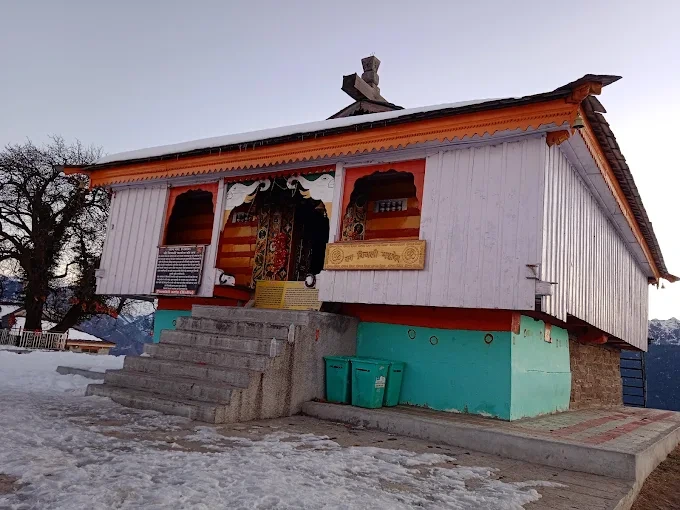
The main temple, in Himalayan style, houses a statue of Vishnu. Before the sanctuary, the Akhand Dhuni hearth attracts pilgrims who offer wood to its flames. The ashes from this fire — the bhasma — are considered sacred and taken as a blessing. Three kunds (pools) surround the temple: Brahma Kund, Vishnu Kund, and Rudra Kund, fed by natural springs.
History and context
The name "Triyugi" literally means "three ages": tradition holds that the sacred fire has burned for three yugas (Hindu cosmic eras). The temple is mentioned in ancient texts related to the Kedar Khand of the Skanda Purana. It remains less frequented than neighboring major dhams, giving it a contemplative, almost intimate atmosphere.
Highlights of your visit
The Akhand Dhuni
This perpetual fire is the spiritual heart of the place. Devotees bring cedarwood or other timber to feed it. Witnessing the morning or evening ceremony around the hearth remains the most striking experience the site offers.
The three kunds
The sacred pools, fed by mountain springs, are used for ritual ablutions. The Brahma Kund is reputed to be where Brahma himself presided over the divine marriage.
The village and natural setting
Triyugi Narayan is a small mountain village surrounded by forests of rhododendrons and conifers. The tranquility of the place and views over surrounding ridges make it a cherished stop on the pilgrimage route to Kedarnath.
Etiquette and visiting rules
- Remove your shoes before entering the temple grounds.
- Dress modestly: shoulders and legs covered for both men and women.
- Silence and reverence are expected, especially during ceremonies.
- Do not turn your back to the sacred fire during rituals.
- Inquire locally before photographing ceremonies or the interior of the sanctuary.
Photography tips
Golden morning light, just after dawn, illuminates the temple facade and pools. Blooming rhododendrons (April-May) offer colorful foregrounds. Always ask permission before photographing pilgrims or ritual ceremonies.
Location and access
Triyugi Narayan is located approximately 12 km from Sonprayag, the usual starting point for Kedarnath. The road is passable by vehicle to the village. From Rishikesh or Haridwar, allow a full day's journey via Rudraprayag and Ukhimath. No regular direct transport is guaranteed; shared jeeps from Sonprayag remain the most common option. Wheelchair accessibility is limited due to mountainous terrain.
Nearby attractions
- Kedarnath Temple — one of the twelve jyotirlingas, approximately 25 km away, accessible on foot or by helicopter from Sonprayag.
- Sonprayag — sacred confluence of the Sone and Mandakini rivers, starting point for regional pilgrimages.
- Ukhimath — village where the idols of Kedarnath and Madhyamaheshwar winter each year.
- Gaurikund — sacred hot spring dedicated to Parvati, starting point for the trek to Kedarnath.
Frequently asked questions
May-June and September-November offer the best conditions: clear roads and pleasant weather. The monsoon (July-August) makes mountain roads treacherous. In winter, the village is often cut off by snow.
The temple generally follows the pilgrimage calendar of the region: it is accessible from May to November. In winter, access may be impossible due to snowfall. Check local conditions before departing.
Yes, it's the classic itinerary. Triyugi Narayan is visited en route to or from Kedarnath, with a stop at Sonprayag. Allow an extra half-day to avoid rushing.
A few dharamshalas (pilgrim accommodations) exist in the village, but options are limited. Sonprayag, better equipped, makes a more comfortable base for the night.
Rules vary by area within the sanctuary. The exterior and pools are generally photographable. For the interior and ceremonies, ask permission from the priests on site.
Interested in this visit?
We can include it in your personalised itinerary.