Ranthambore
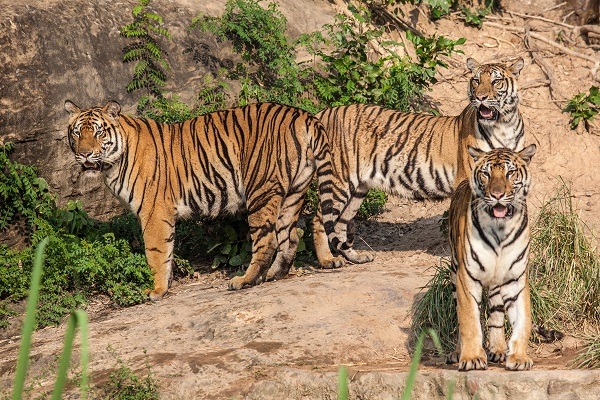
Once a hunting ground of maharajas, Ranthambore is Rajasthan's most iconic Bengal tiger reserve. Sunrise safaris, a perched medieval fort and crocodile-filled lakes make for a unique experience in India.
Ranthambore is one of Rajasthan's largest nature reserves, nestled between the arid hills of the Aravallis and the Vindhya plains. Once a hunting ground of the maharajas of Jaipur, the park is home to one of Asia's most observable Bengal tiger populations. The ruins of a medieval fort overlook the lakes, creating a unique setting where wildlife and historical heritage coexist.
Practical Information at a Glance
- Access: Sawai Madhopur is the gateway town, connected by train from Jaipur (approximately 2 hours) and Delhi. Safaris depart from the park's entrance zones.
- Opening Season: The park is open from October to June; it closes during the monsoon (July-September).
- Recommended Duration: 2 to 3 days to run multiple safaris and maximise your chances of spotting a tiger.
- Dress Code: Neutral colours (khaki, green, beige) are recommended; avoid white and bright colours.
- Entrance: Paid entry; safaris (open-top gypsies for 6 people or canters for 20 people) are booked in advance via the official tiger reserve portal.
- Accessibility: Limited; forest tracks are unimproved.
What to See
The park spans over 1,300 km². Zones 1 to 5 are the most visited and offer the best chances of spotting a tiger. Lakes Padam Talao, Malik Talao and Raj Bagh Talao attract crocodiles, herons and sambar deer. Leopards, striped hyenas, jackals and abundant birdlife complete the observable fauna.
History and Context
Ranthambore Fort, listed as a UNESCO World Heritage Site as part of the Hill Forts of Rajasthan group, dates from the 10th century. It was a Rajput stronghold before coming under Mughal control. The surrounding forest served as a private hunting ground for the maharajas of Jaipur until Indian independence. The national park was established in 1980 and joined Project Tiger in 1973.
Highlights of Your Visit
The Sunrise Safari
Morning safaris (departing before dawn) offer the best viewing conditions. Tigers are active early, particularly around water sources. The golden morning light is also ideal for photography.
Ranthambore Fort
Perched 215 metres above the plain, the fort overlooks the entire park. It's accessed on foot from within the reserve. The temples of Ganesh, Shiva and Ramlalaji within the ramparts remain active and are visited by local pilgrims.
The Lakes and Surroundings
Padam Talao is the park's largest lake. During the dry season (March-June), animals converge on the water, making sightings particularly frequent. Blooming water lilies add a remarkable visual backdrop.
Birdlife
Over 300 bird species have been recorded: fish eagles, kingfishers, wild peacocks, painted storks. Ranthambore appeals equally to ornithologists and big cat enthusiasts.
Photography Tips
Prioritise morning safaris for light and animal activity. A telephoto lens (400 mm minimum) is essential for tigers. Stay in your vehicle at all times — getting out is forbidden and dangerous. Zones 1 to 3 around Padam Talao offer the most photogenic backdrops with the fort in view.
Location and Access
Ranthambore lies approximately 180 km south-east of Jaipur and around 400 km south of Delhi. Sawai Madhopur railway station is the main entry point, well served by express trains from both cities. Hotels and lodges of all categories are concentrated on the road leading to the park. Safari reservations must be made well in advance, especially during peak season (November-February).
From Jaipur, Ranthambore combines naturally with Amber Fort and Jaipur City Palace for a complete Rajasthan circuit.
Nearby
- Jaipur, the Pink City — capital of Rajasthan approximately 2 hours' drive away, with palaces and bustling bazaars.
- Amber Fort — majestic Rajput fortress at Jaipur's gates, accessible by elephant or jeep.
- Bundi — less touristy medieval town, known for its stepwells and wall frescoes, approximately 2 hours south.
- Keoladeo National Park (Bharatpur) — UNESCO-listed bird sanctuary, approximately 3 hours north.
Frequently asked questions
April to June are the most favourable months: heat drives tigers towards water sources, making them more visible. Vegetation is also less dense. November to February offer pleasant weather but denser vegetation.
Safaris are booked via the official Indian government portal for tiger reserves. Places are limited by zone and time slot. Book several weeks in advance during peak season (November-February).
The gypsy (open-top jeep, 6 people) is more manoeuvrable and accesses more zones. The canter (open-top bus, 20 people) is cheaper but less flexible. For photography and immersive experience, the gypsy is preferable.
No. Ranthambore closes during the monsoon, usually from July to late September. The official season runs from October to June.
The fort lies within the protected zone. Access is via a regulated safari only. There is no separate entrance for the fort alone.
Yes, provided children can remain calm and quiet during the safari (approximately 3 hours). Some lodges enforce a minimum age for gypsy safaris; verify before booking.
Interested in this visit?
We can include it in your personalised itinerary.