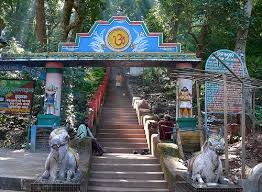
Purulia
Purulia, on the Chota Nagpur plateau, blends striking red laterite landscapes, vibrant tribal traditions, and the masked Chhau dance, inscribed on UNESCO's Intangible Cultural Heritage list.
Purulia is a district and city in West Bengal, bordering Jharkhand on the Chota Nagpur plateau. A land of dry forests, red laterite hills, and living tribal traditions, it draws travelers seeking authentic rural India. The region is renowned for the Chhau dance, inscribed on UNESCO's Intangible Cultural Heritage list, and for its striking red-rock landscapes that set it apart from the rest of Bengal.
Quick Practical Guide
- Best time to visit: October to March (dry season, pleasant temperatures).
- Getting there: Purulia railway station on the Howrah–Chakradharpur line; buses from Kolkata (approximately 5–6 hours).
- Recommended duration: 2 to 3 days to explore the city and surrounding areas.
- What to pack: light cotton clothing; bring a warm layer for winter evenings (cool nights).
What to See
Purulia's landscape is dominated by red laterite hills, sal forests, and seasonally flowing rivers. The town itself is a modest administrative center, but the district holds remarkable natural and cultural sites: Baranti lake, the Ajodhya Pahar hills (the district's highest point), and Munda, Santhali, and Bhumij tribal villages where traditional craftsmanship remains vibrant.
History and Context
Purulia was once part of Manbhum, a former colonial district divided between Bihar and Bengal. In 1956, following India's linguistic reorganization of states, the Bengali-speaking areas were incorporated into West Bengal. This border history explains the region's unique cultural blend: tribal influences from Jharkhand, Bengali traditions, and the legacy of the Malla dynasty (former local rulers) coexist in temple architecture and local festivals.
Highlights of a Visit
Chhau Dance
Purulia Chhau is the most spectacular form of this martial masked dance. Dancers wear painted masks depicting gods, demons, and animals. Performances take place mainly during the Chaitra Parva festival (March–April), though troupes also perform at other times in villages.
Ajodhya Pahar
These hills in the district's west offer sweeping views across the plateau. The site features a dam and artificial lake popular for picnics. Sunsets over the red rocks are particularly photogenic during the dry season.
Baranti
This lakeside village, surrounded by forested hills, is one of the district's most cherished natural retreats. The lake attracts migratory birds in winter, and its banks provide a peaceful setting for gentle hiking.
Temples and Malla Heritage
Several terracotta temples reflect the influence of the Malla dynasties in the region. Some villages preserve sanctuaries adorned with fired clay panels depicting epic scenes.
Photography Tips
Morning light on the laterite hills creates distinctive orange hues. For Chhau performances, opt for evening shows lit by torches or spotlights—the masks stand out beautifully. Always ask permission before photographing in tribal villages.
Location and Access
Purulia lies approximately 330 km west of Kolkata. The railway station connects well with Howrah. Shared jeeps and local buses serve district sites from the town. The road to Ajodhya Pahar is drivable, though some stretches are narrow. Accessibility for people with reduced mobility remains limited at natural sites.
Nearby Attractions
- Bishnupur — the city of terracotta temples and Bishnupuri classical music, about 100 km to the northeast.
- Shantiniketan — Tagore's university-ashram, a major center of Bengali culture, reachable from Purulia in a few hours.
- Dalma Wildlife Sanctuary — a game reserve in neighboring Jharkhand, known for its wild elephants.
Frequently asked questions
October to March offers the dry season with pleasant temperatures and clear skies. March–April coincides with the Chaitra Parva festival and Chhau performances.
The Chaitra Parva festival (March–April) is the prime opportunity. Outside this period, local troupes sometimes perform in villages; check with your accommodation or a local agency.
Yes, by train from Howrah (Chakradharpur line) or by bus. The journey takes approximately 5 to 6 hours depending on your chosen mode of transport.
Always ask permission before photographing. Wear modest clothing. Certain rituals or spaces may be reserved for community members only.
Yes, both destinations are connected by road and rail. Plan at least one additional day for Bishnupur and its terracotta temples.
Interested in this visit?
We can include it in your personalised itinerary.