Pokhara
Pokhara spreads along the shores of Phewa Lake, facing the Annapurna peaks. A base for major Himalayan treks, it also offers paragliding, caves and temples on the water.
Pokhara is Nepal's second city, not India. The country indicated (IN) does not match the actual location. Pokhara is situated in Nepal, at the foot of the Himalayas, on the shores of Phewa Lake. This guide is written for the actual location.
Pokhara stretches along Phewa Lake, approximately 200 km west of Kathmandu. The city serves as a base for Annapurna treks and offers direct views of the Dhaulagiri, Annapurna and Machhapuchhre peaks. Between hiking, boating on the lake and the bustling Lakeside district, it combines nature and traveler atmosphere.
Practical information at a glance
- Access from Kathmandu: domestic flight (~25 min) or tourist bus (~6-8 h depending on route).
- Recommended duration: 3 to 5 days to combine lake, viewpoints and excursions.
- Dress code: covered clothing recommended for temples and monasteries in the region.
- Altitude: approximately 820 m — acclimatization not necessary for the city itself.
- Currency: Nepalese rupee (NPR); ATMs available at Lakeside.
What to see
Phewa Lake is the heart of Pokhara. You can rent boats to reach the Tal Barahi temple, located on an island. The Lakeside shore concentrates hotels, restaurants and trekking agencies. To the north, the Pokhara Bazar district retains a more local atmosphere.
Mahendra Cave and Devi's Fall (Patale Chhango) waterfall can be visited in half a day. The International Mountain Museum traces the history of Himalayan mountaineering with well-documented collections.
History and context
Pokhara was once a stop on the trade route linking India to Tibet. The city developed as a trekking center from the 1970s onward, when the first foreign expeditions opened the Annapurna trails. Today, it remains the main departure point for the Annapurna Circuit and Sanctuary trek.
Highlights of the visit
Sunrise from Sarangkot
The Sarangkot viewpoint, accessible by jeep or on foot from Lakeside, offers a panoramic view of the Annapurna range and Machhapuchhre at sunrise. It is also the departure point for paragliding flights above the lake.
Phewa Lake by boat
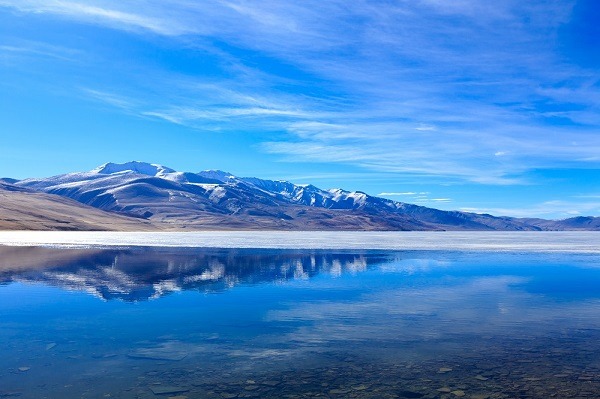
A boat trip on Phewa Lake allows you to reach the Tal Barahi temple, dedicated to the goddess Durga. The reflection of the Annapurnas on the water in clear weather is Pokhara's iconic image.
Devi's Fall and Mahendra Cave
Devi's Fall plunges into a rocky crevice and disappears underground. A few minutes' walk away, Mahendra Cave is a karst network adorned with stalactites, accessible with a local guide.
International Mountain Museum
This museum traces major Himalayan expeditions, the cultures of mountain peoples and the history of trekking in Nepal. The collections include period equipment and accounts from mountaineers.
Etiquette and visit rules
- Remove your shoes before entering temples, particularly at Tal Barahi.
- Dress in a covered manner (shoulders and knees) for religious sites.
- Walk around stupas and chortens in a clockwise direction.
- Ask permission before photographing people or ceremonies.
Photography tips
Morning light is ideal for photographing the Annapurnas reflected in Phewa Lake — arrive before 8 a.m. From Sarangkot, the sunrise offers raking light on the snow-capped peaks. During the rainy season (June-August), clouds often obscure the mountains during the day but sometimes clear at dawn.
Location and access
Pokhara is located in the Gandaki zone, in the central-west of Nepal. Pokhara International Airport (PKR) receives domestic flights from Kathmandu and, since 2023, international flights. The Lakeside district (Baidam) is the main tourist center, approximately 4 km from the airport.
Local buses and taxis connect the different districts. Most sites (Sarangkot, Devi's Fall, caves) are accessible by taxi or rental scooter. Accessibility for people with reduced mobility is limited on unarranged trails and lakeside areas.
Surrounding areas
- Annapurna Sanctuary: multi-day trek from Pokhara to the glacial cirque surrounded by peaks over 7,000 m.
- Bandipur: Newar hill village perched on a ridge, approximately 2 hours away by road, with preserved traditional architecture.
- Lumbini: birthplace of Buddha, a UNESCO World Heritage site, accessible from Pokhara after several hours of travel.
Frequently asked questions
October-November and March-April offer clear skies and pleasant temperatures. The monsoon (June-September) brings frequent rainfall that obscures the mountains. Winter (December-February) is cold but often sunny.
The city itself does not require a permit. However, treks in the Annapurna Conservation Area require an ACAP permit and TIMS card, available in Pokhara.
Yes. Pokhara is one of Asia's most renowned paragliding sites. Tandem flights depart from Sarangkot and fly over Phewa Lake. Several licensed operators offer this service from Lakeside.
Three days allow you to visit the lake, Sarangkot and the main sites. Five days or more are recommended if you wish to combine with a short trek in the surrounding hills.
Yes. Boat rides on the lake, caves and viewpoints are accessible to all. Short trekking trails around Pokhara are suitable for children in good physical condition.
Pokhara is in Nepal, not India. It is located in the Gandaki zone, approximately 200 km west of Kathmandu.
Interested in this visit?
We can include it in your personalised itinerary.