Panjim (Panaji)
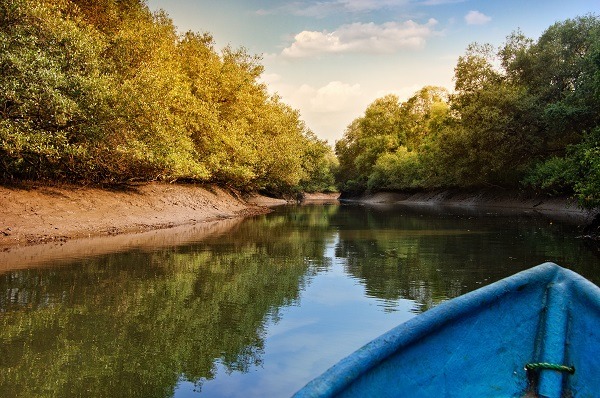
Panaji, capital of Goa, blends the Portuguese colonial quarter of Fontainhas, baroque churches, and a stroll along the Mandovi River. A human-scaled city, perfect for exploring northern Goa.
Panaji — officially Panaji, commonly called Panjim — is the capital of the state of Goa, nestled on the southern bank of the Mandovi River. A former Portuguese colonial city, it weaves together brightly painted facades, baroque churches, and lively cafés. Human in scale, it can be explored on foot in just a few hours and serves as an ideal base for discovering northern Goa. Its relaxed atmosphere stands in sharp contrast to nearby beach resorts.
Practical Information at a Glance
- Access: approximately 30 km from Goa's international airport (Dabolim); buses, taxis, and ride-hailing apps serve the city.
- Local Transport: auto-rickshaws, taxis, and river ferries (between Panaji and Betim, a short crossing).
- Recommended Duration: half a day for the historic center; a full day to combine the Latin Quarter, the Mandovi waterfront, and markets.
- Dress Code: modest attire recommended when visiting churches.
What to See
The Fontainhas neighborhood, designated as a state heritage site, concentrates most of the colonial charm: narrow lanes, ochre, yellow, and blue houses with wooden shutters, wrought-iron balconies, and neighborhood chapels. The white baroque Church of the Immaculate Conception dominates the central plaza. The Mandovi waterfront offers a lively promenade, dotted with casino boats and terraces.
History and Context
Panaji became the capital of the Portuguese state of Goa in 1843, replacing the declining Old Goa. The Portuguese left a lasting architectural imprint: a grid-pattern street layout, neoclassical administrative buildings, and baroque churches. Following Goa's liberation in 1961 and its integration into India, the city retained its Latin character while gradually becoming more Indianized. Fontainhas is today one of the rare preserved Portuguese colonial quarters in Asia.
Highlights of a Visit
Fontainhas, the Latin Quarter
This maze of narrow lanes is the historic heart of Panaji. Houses with red tile roofs and pastel facades host artisan workshops, art galleries, and small restaurants. The Chapel of Saint Sebastian, tucked away at the end of an alley, holds a crucifix from the Inquisition palace in Old Goa.
Church of the Immaculate Conception
Built in 1541 and remodeled in the 17th century, this white church with its dual staircase is one of Goa's most photographed baroque structures. It overlooks the Praça da Igreja, animated in the evening by strollers and street vendors.
Mandovi Riverfront Promenade
The river's edge concentrates Panaji's social life: a fish market in the morning, café terraces in the afternoon, cultural cruises in the evening. The casino boats moored offshore are a local peculiarity.
Panaji Market
The Municipal Market offers spices, tropical fruits, fresh fish, and textiles. It's the most direct place to observe everyday Goan life, away from tourist zones.
Etiquette and Visiting Rules
- Cover shoulders and knees when entering churches.
- Avoid loud visits during religious services.
- Ask permission before photographing residents in the lanes of Fontainhas.
Photography Tips
Golden light in the early morning and late afternoon is ideal for photographing Fontainhas's colorful facades. The Church of the Immaculate Conception photographs well from the plaza, shot from below. Avoid midday: the light is harsh and the lanes crowded. The Mandovi waterfront offers beautiful reflections at sunset.
Location and Access
Panaji sits on the southern bank of the Mandovi, in northern Goa. Dabolim airport lies approximately 30 km to the south; the nearest railway station is Karmali (Old Goa), just a few kilometers to the east. Local buses and taxis connect Panaji to major northern beaches (Calangute, Baga, Anjuna) and southern ones (Margao). A ferry crosses the Mandovi to Betim in just a few minutes.
Nearby places easily accessible include Old Goa and its basilicas, about ten kilometers to the east, and the beaches of Calangute to the north.
Nearby Attractions
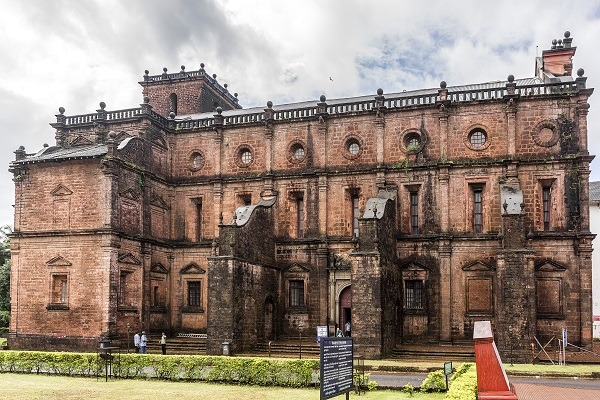
- Old Goa — the former colonial capital, its basilicas and convents are UNESCO World Heritage Sites.
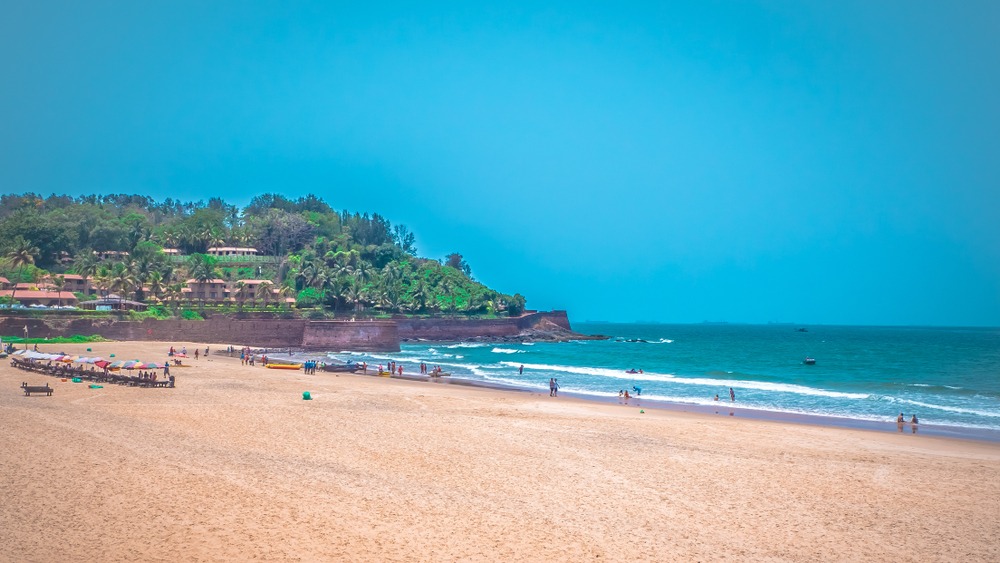
- Calangute Beach — the largest beach in northern Goa, lively and easily accessible from Panaji.
- Anjuna — known for its Wednesday market and bohemian atmosphere inherited from the 1970s.
- Dona Paula — a promontory at the confluence of the Mandovi and Zuari rivers, with views of both estuaries.
Frequently asked questions
The dry season, October to March, is the most pleasant. The monsoon (June-September) brings heavy rains but gives Fontainhas's facades more vivid colors. December is lively thanks to the International Film Festival of India held in Panaji.
Half a day is enough for Fontainhas and the Church of the Immaculate Conception. Allow a full day if you wish to linger at the market, stroll along the Mandovi, and visit a museum.
Yes, the two sites are close. A taxi or local bus connects Panaji to Old Goa in less than 30 minutes. Plan the morning in Old Goa (basilicas, museum) and the afternoon in Panaji (Fontainhas, Mandovi waterfront).
Generally yes, but without flash and outside services. Check the signs at the entrance of each building, as rules may vary.
The historic center can be explored entirely on foot. Auto-rickshaws cover longer distances. Ride-hailing apps (Ola, Uber) also operate in Panaji.
Fontainhas is home to several small cafés and restaurants serving traditional Goan cuisine (recheado fish, xacuti, bebinca). Addresses change regularly; ask your local agency for current recommendations.
Interested in this visit?
We can include it in your personalised itinerary.