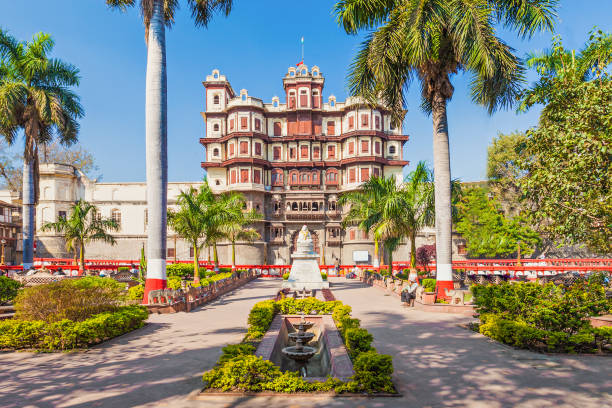
Morigaon
Morigaon in Assam offers access to Pobitora Sanctuary — home to a remarkable concentration of one-horned rhinos — and the Hayagriva Madhava temple, a Hindu and Buddhist pilgrimage site at the district's edge.
Morigaon is a modest-sized town nestled in the Brahmaputra plain at the heart of Assam. It is best known as the gateway to Pobitora Lake's migratory bird sanctuary and the Hayagriva Madhava temple, one of the rare Hindu temples dedicated to Vishnu in his equine form. The town occupies a strategic position between Guwahati and Nagaon, along the river's edge.
Quick Practical Information
- Access: Morigaon lies approximately 65 km east of Guwahati via NH27; regular buses depart from Paltan Bazar bus station in Guwahati.
- Recommended duration: One day is sufficient to combine the temple and Pobitora Lake.
- Best time to visit: November to March for migratory birds; avoid the monsoon (June–September) due to frequent flooding.
What to See
The Hayagriva Madhava temple, perched on a hillside at nearby Hajo, is the region's most venerated site. The Pobitora Sanctuary, a few kilometres from town, harbours one of the world's highest concentrations of Indian one-horned rhinos, along with thousands of migratory birds in winter. The floodplain landscape of the Brahmaputra offers characteristic Assamese wetland vistas.
History and Context
Morigaon is mentioned in medieval Assamese chronicles as territory of the Ahom and Koch kingdoms. The district has long been associated with tantric practices and Vaishnava devotion. The region has endured recurring Brahmaputra floods, which have shaped its landscape and agricultural lifeways.
Highlights of a Visit
Pobitora Sanctuary
This wildlife sanctuary, among India's smallest by area, concentrates a remarkable density of one-horned rhinos. Early-morning jeep safaris are arranged regularly. In winter, the wetlands welcome thousands of migratory birds from Central Asia.
Hayagriva Madhava Temple
Located in Hajo, at the border of Morigaon district, this temple is an active pilgrimage site. It is venerated by both Hindus and Buddhists, the latter viewing it as linked to the Buddha. Architecture blends medieval Assamese influences with more recent elements.
Etiquette and Visiting Rules
- Remove your shoes before entering the Hayagriva Madhava temple.
- Modest dress required: shoulders and knees covered.
- Photography may be restricted inside the main sanctuary; ask locally.
- At Pobitora Sanctuary, remain in your vehicle during safaris and follow your guide's instructions.
Photography Tips
At Pobitora, the golden light of sunrise is ideal for photographing rhinos in tall grass. Bring a telephoto lens. At the temple, morning light is best, before the crowds of pilgrims arrive.
Location and Access
Morigaon is the district capital of its namesake district in Assam. The town is accessible from Guwahati by road in approximately 1 hour 30 minutes. The nearest railway station is at Jagiroad, on the Guwahati–Lumding line. Shared taxis and local buses regularly connect the town to surrounding villages and Pobitora Sanctuary.
Nearby Attractions
- Guwahati — Assam's principal city, natural departure point with the Kamakhya temple and Guwahati Zoo.
- Pobitora Sanctuary — Natural reserve a few kilometres away, essential for rhinos and migratory birds.
- Hajo — Neighbouring pilgrimage town home to the Hayagriva Madhava temple and Poa Mecca mosque.
- Nagaon — Town to the east, gateway to central Assam.
Frequently asked questions
November to March offers the best conditions: dry weather, migratory birds present at Pobitora, and pleasant temperatures. The monsoon (June–September) brings flooding that may cut access to certain areas.
Yes. Departing early from Guwahati, it is possible to do the morning safari at Pobitora and visit the Hayagriva Madhava temple at Hajo the same day before returning.
Yes. Shoulders and knees must be covered at the temple. Remove your shoes at the entrance. A spare shawl or sarong is useful if you visit several places of worship in a single day.
Regular buses depart from Paltan Bazar bus station in Guwahati. National highway NH27 is passable by taxi or rental car. Journey time is approximately 1 hour 30 minutes depending on traffic.
The sanctuary generally closes during the monsoon due to flooding. The tourist season runs from October to April approximately. Check access with local authorities before planning your visit.
Interested in this visit?
We can include it in your personalised itinerary.