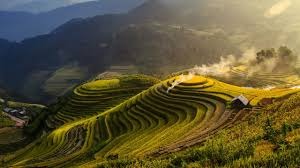
Mangyu Monastery
Perched in an isolated hamlet of the Indus Valley, Mangyu Monastery preserves exceptionally rare 11th-century Buddhist frescoes, far removed from the crowds of popular Ladakh.
Mangyu Monastery rises in a quiet village of the Indus Valley, away from Ladakh's main tourist circuits. Founded in the 11th century, it preserves Buddhist murals among the region's oldest, rivaling those of Alchi in antiquity. Its location in a nearly abandoned hamlet lends it an atmosphere of rare contemplation, untouched by the crowds that fill more accessible monasteries.
What to See
The monastery houses several temples whose walls are adorned with frescoes in the Western Kashmir style, characteristic of medieval Ladakhi Buddhist art. Depictions of Buddhas, bodhisattvas, and tantric deities are painted with remarkable precision and chromatic richness for their age. Large clay statues complement the iconographic ensemble.
History and Context
Mangyu is linked to the period of Buddhism's flourishing in Ladakh under translator Rinchen Zangpo (958–1055), who is believed to have overseen the construction of numerous temples across the region. The monastery belongs to the Tibetan Buddhist tradition and remains an active place of worship, maintained by the local community. Its remoteness has protected it from destruction but has also limited restoration efforts.
Highlights of Your Visit
Medieval Murals
The 11th-century frescoes are the site's primary draw. The style, influenced by Kashmiri and North Indian art, stands distinctly apart from the later Tibetan paintings visible in other Ladakh monasteries.
The Village Atmosphere
Mangyu is an agricultural hamlet where traditional Ladakhi life unfolds without tourist artifice. A visit to the monastery naturally becomes an immersion into this preserved rural setting.
Etiquette and Visiting Rules
- Remove your shoes before entering the temples.
- Dress modestly, with shoulders and knees covered.
- Ask permission before photographing statues and interior frescoes.
- Maintain silence in worship spaces; monks or caretakers may be present.
- A modest donation or entrance fee may be requested by the local caretaker — inquire on arrival.
Photography Tips
Natural light inside the temples is dim. Avoid flash, which damages ancient pigments. Outdoors, morning light enhances the monastery's façade and the surrounding arid landscape. A lightweight tripod is useful for interior shots.
Location and Access
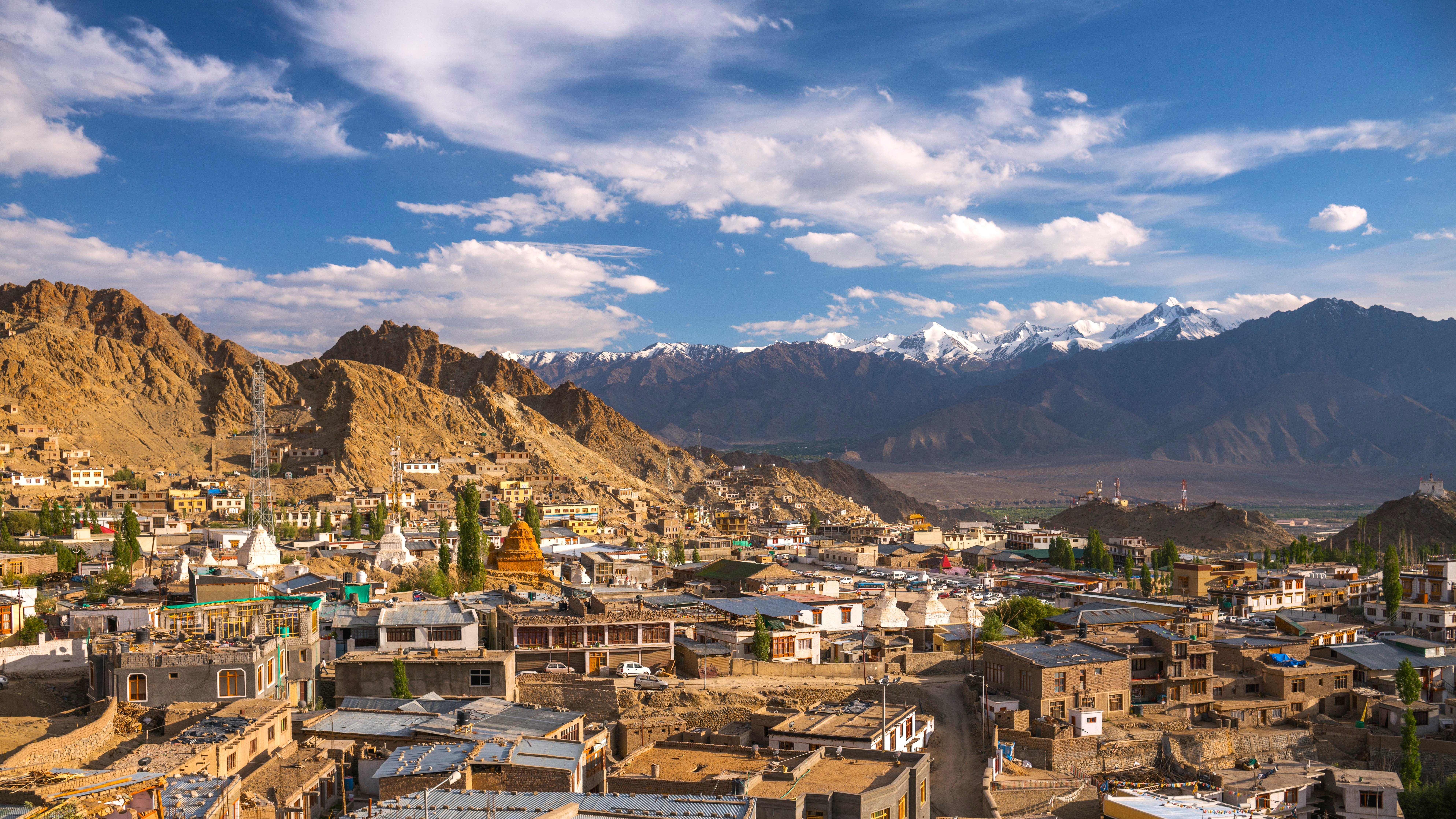
Mangyu sits in the Indus Valley, between Alchi and Khalsi, at a reasonable distance from Leh via the national highway following the Indus. Reaching it from the main road requires turning onto a secondary track leading to the village. A four-wheel-drive vehicle or motorcycle is recommended. Public transport does not serve Mangyu directly; a taxi from Leh or Alchi remains the most practical option.
The site is not suitable for visitors with limited mobility due to uneven terrain and interior stairs.
Nearby Attractions
- Alchi Monastery — the valley's most celebrated medieval Buddhist site, with 11th-century murals designated as heritage.
- Likir Monastery — an active monastery perched on a hilltop, housing a large statue of Buddha Maitreya.
- Basgo Monastery — ruins of a palace-fortress and temples with well-preserved frescoes, along the road to Leh.
Frequently asked questions
From May to October, when the Indus Valley road is clear. In winter, road conditions can make access difficult or impossible.
Mangyu is not listed among areas requiring an Inner Line Permit for Indian or foreign nationals, but verify current regulations at the time of your trip, as they may change.
Yes, both sites are close to each other in the Indus Valley. Starting early from Leh with a private vehicle, it is possible to visit Mangyu and then Alchi on the same day.
A caretaker or member of the local community typically opens the temples upon request. If no one is present when you arrive, inquire with village residents.
It is generally permitted without flash, but always ask the caretaker's permission. Some temples may have specific restrictions on images of statues or altars.
Interested in this visit?
We can include it in your personalised itinerary.