Gobind Sagar Lake
Gobind Sagar Lake
A vast Himalayan reservoir born from the Bhakra Dam, Gobind Sagar Lake offers water sports, sport fishing and forested hillside landscapes just an hour from Nalagarh.
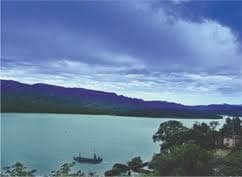
Gobind Sagar Lake stretches across the Himalayan foothills of Himachal Pradesh, at the border of Bilaspur, Una and Hamirpur districts. Formed by the Bhakra Dam on the Sutlej River, it is one of India's largest artificial reservoirs. Its turquoise waters framed by forested hills make it a favored destination for water sports, fishing and day trips from Nalagarh or Chandigarh.
Quick reference guide
- Access: Nalagarh is approximately 50 km away; Chandigarh is the most convenient logistics base.
- Regulated activities: fishing requires a permit issued by Himachal Pradesh local fishing authorities.
- Recommended duration: half-day to full day depending on activities chosen.
- Best season: October to March, when temperatures are mild and skies clear.
What to see
The lake stretches for several dozen kilometers, forming sinuous arms between hills covered with sal and pine forests. The shorelines vary between pebble beaches, low cliffs and wetlands frequented by migratory birds in winter. The Bhakra Dam, visible from certain points, is one of the world's highest concrete dams.
History and context
The Bhakra Dam was constructed between the 1940s and 1963, submerging the former town of Bilaspur and several villages. The reservoir is named after Guru Gobind Singh, the tenth Sikh Guru. Its flooding transformed the regional economy by providing irrigation and electricity to several states in northern India.
Highlights of the visit
Water sports
The lake welcomes kayaking, jet-skiing and motorboats, primarily from the ghats near Bilaspur. Conditions are calm in the dry season, ideal for beginners.
Sport fishing
Gobind Sagar is renowned for mahseer carp fishing, a species prized by sport fishermen. A permit is mandatory; local guides know the most productive zones.
Birdwatching
In winter, the shores welcome diving ducks, grebes and migratory wading birds. Quieter areas along the northern shore offer the best sightings at dawn.
Photography tips
The golden morning light reflects the hills in the water, particularly from heights overlooking the western shore. In late afternoon, silhouettes of fishing boats stand out against the sky. Avoid peak weekend hours if you're seeking crowd-free compositions.
Location and access
The lake borders several districts; the most frequented access point is the town of Bilaspur, approximately 90 km from Shimla and about 130 km from Chandigarh. From Nalagarh, allow approximately one hour's drive northeast. No direct railway line serves the shores; car or bus remain the primary options. Wheelchair accessibility depends on the ghat chosen and remains limited on natural shorelines.
Nearby
- Bhakra Dam — major engineering structure that created the lake, visitable with prior permission.
- Naina Devi Temple — Hindu sanctuary perched on a hill overlooking the lake, an active pilgrimage site.
- Anandpur Sahib — holy Sikh city founded by Guru Tegh Bahadur, approximately 70 km to the southwest.
Frequently asked questions
October to March, when temperatures are pleasant and skies clear. Summer (April-June) is hot but manageable; the monsoon (July-September) makes some roads difficult to access.
Yes, a fishing permit issued by the Himachal Pradesh fisheries department is mandatory. Check with local authorities in Bilaspur before you arrive.
Yes, the temple overlooks the lake and fits naturally into a day here. Plan to wear covered clothing to access the shrine.
Water activities are generally available outside the monsoon season. Exact provider availability varies by season; check on site in Bilaspur.
The most direct route passes through Kiratpur Sahib and Bilaspur, roughly one hour by car. Regional buses link these towns, but schedules are irregular.
Photos
Nearby
Interested in this visit?
We can include it in your personalised itinerary.