Tsomoriri Lake
Tsomoriri Lake
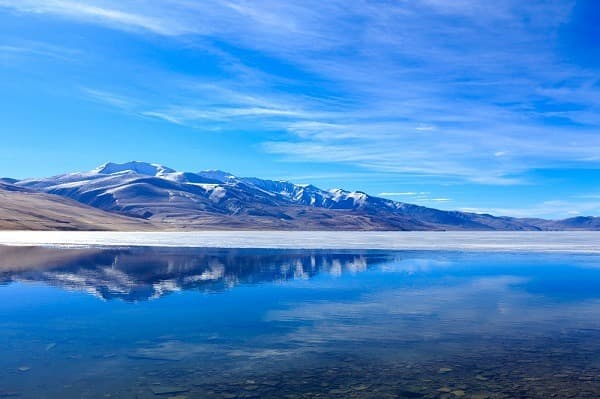
Rising above 4,500 metres in the Rupshu plateau, Tsomoriri Lake is a pristine high-altitude destination in Ladakh framed by snow-capped peaks, home to rare grebes and wild asses, watched over by the nomadic village of Korzok.
Tsomoriri Lake stretches across more than 4,500 metres altitude in Rupshu, a remote plateau in eastern Ladakh. This high-mountain lake, roughly 28 kilometres long, is surrounded by snow-capped summits and ochre hills. Designated a Ramsar wetland, it harbours breeding colonies of red-necked grebes and herds of kiangs — wild Tibetan asses. The village of Korzok, the sole settlement on its shores, remains one of the last strongholds of Changpa nomadic culture.
Practical essentials at a glance
- Access: Track from Leh via Chumathang or via Tso Kar — several hours' drive in a mandatory 4×4.
- Permit: Inner Line Permit (ILP) mandatory for foreign nationals; obtain in Leh before departure.
- Best season: Mid-June to mid-September — the road is closed for the rest of the year.
- Recommended stay: 1 to 2 nights on site for acclimatisation and morning light.
- Accommodation: A few homestays and camps in Korzok; no upmarket hotels.
- Altitude: Approximately 4,522 m — prior acclimatisation in Leh (2 to 3 days) essential.
- Accessibility: Not accessible — unmade track, rough terrain.
What you'll see
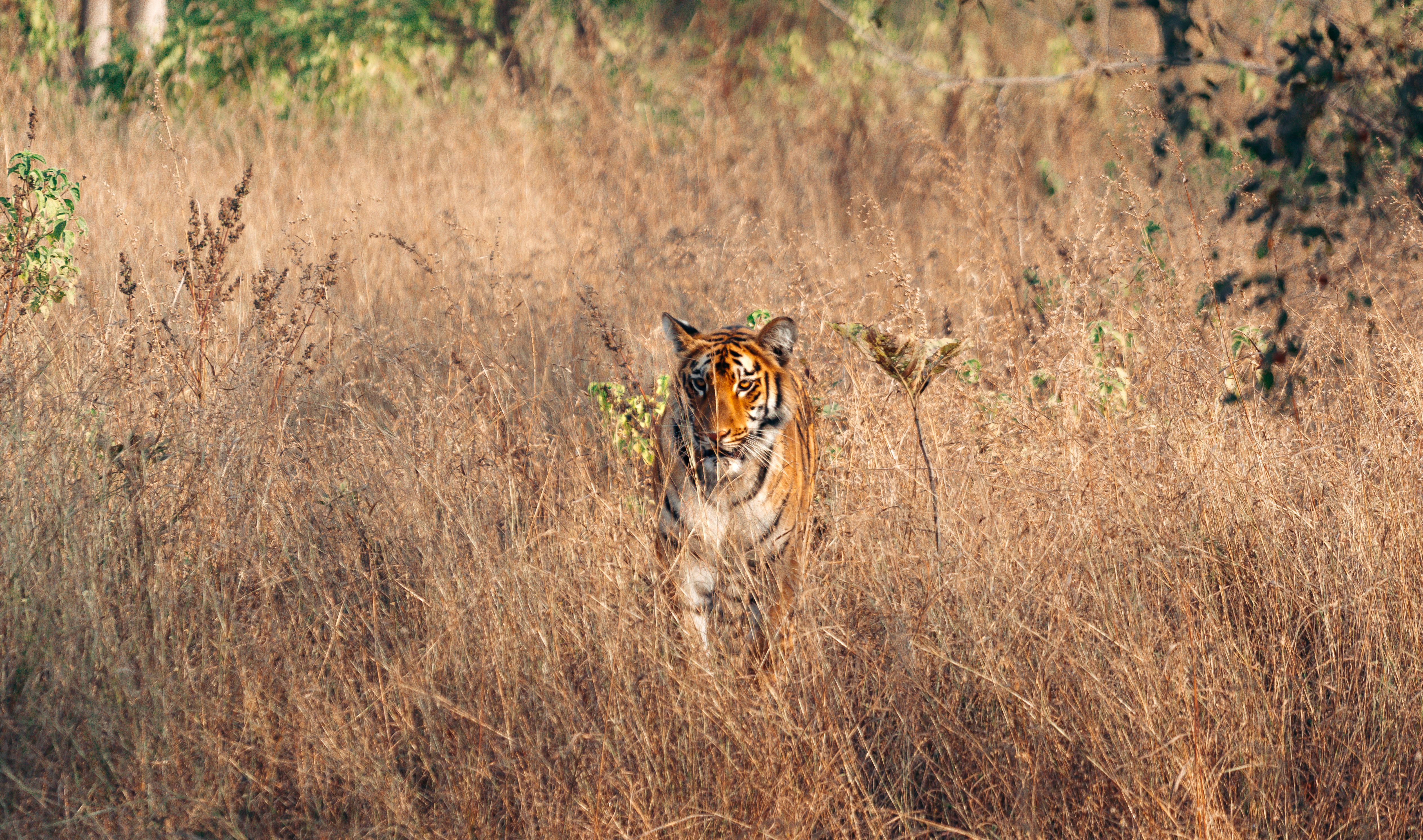
The lake shifts colour by the hour: steel blue at dawn, deep turquoise at midday. The northern shores host breeding colonies of red-necked grebes (Podiceps grisegena), a rare species in South Asia. Bars of brahminy ducks and barheaded geese regularly sweep across the surface. On the heights, kiangs graze in herds, indifferent to visitors.
History and context
Rupshu is the traditional territory of the Changpa, a nomadic people herding pashmina goats. Korzok, at 4,600 metres, ranks among the world's permanently inhabited villages at the highest elevation. Korzok Gompa monastery, affiliated with the Drukpa Kagyu tradition, has presided over the settlement for centuries. The region remained closed to outsiders for long due to its proximity to the Sino-Indian border.
Highlights of your visit
Dawn over the lake
Before sunrise, the lake lies perfectly still. Peaks mirror in the water without a ripple. This is when grebes are most active and when raking light stains the hills in pink and orange.
Korzok Gompa
The monastery overlooks the village and lake from a rocky promontory. The interior preserves thangkas and Buddha statues. The visit takes under an hour but rewards with an unobstructed view across the entire lake.
Wildlife observation
Tsomoriri is one of India's rare breeding sites for red-necked grebes. With binoculars, you'll spot the Tibetan fox, wolf, and occasionally snow leopard on the surrounding heights.
Encounter with the Changpa
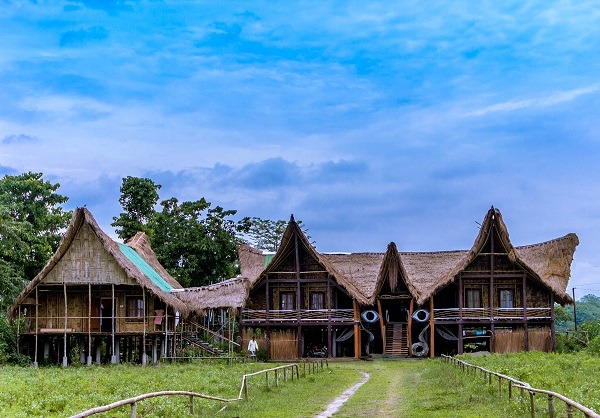
In summer, nomadic families camp around the lake with herds of goats and yaks. Some welcome visitors into their black yak-hair tents — a direct immersion in a millennia-old way of life.
Photography tips
Light peaks between 6 a.m. and 9 a.m.: the lake lies calm, reflections sharp, and hills still glow in warm tones. By midday, wind whips up small waves that break the mirror effect. Avoid flash near bird colonies. A polarising filter cuts glare and deepens the water's blue.
Location and access
Tsomoriri Lake lies in Leh district, Ladakh, roughly 240 kilometres from Leh by road. The 4×4 drive takes between 7 and 9 hours depending on track conditions. Two main routes exist: via Chumathang (hot springs) or via Tso Kar Lake, which allows you to combine both lakes in a single circuit. No regular public transport serves Korzok — a private vehicle or organised tour is essential.
Nearby attractions
- Tso Kar Lake — salt lake roughly 60 kilometres to the north-west, a natural stop on the road from Tsomoriri.
- Chumathang — village with sulphurous hot springs, a possible halt on the route from Leh.
- Leh — capital of Ladakh, the logistical base for all permits and acclimatisation.
- Pangong Tso Lake — another major high-altitude lake in Ladakh, reached from Leh by a different route.
Frequently asked questions
The ideal window stretches from mid-June to mid-September. The road is passable, wildlife is present for breeding, and night temperatures, while cool, remain bearable.
Yes. Foreign nationals must obtain an Inner Line Permit (ILP) in Leh before departure. This document is checked at several checkpoints on the road.
Spend a minimum of two to three days in Leh (3,500 m) before ascending. Stay hydrated, avoid alcohol for the first few days, and climb gradually. If you develop acute mountain sickness, descend immediately.
Yes, but the two lakes lie in opposite directions from Leh. A combined circuit requires a minimum of five to six days and a 4×4 with an experienced driver.
Korzok offers homestays with local families and a few tent camps. Comfort is basic — cold water, limited electricity — but the welcome is genuine.
Photography is permitted on the shores and in the village. Inside Korzok Gompa monastery, ask the monks for permission before photographing statues and thangkas.
Photos
Want to discover this destination?
Our local advisors design your tailor-made trip.