Skiu
Skiu
Skiu is a Ladakhi village perched at 3,400 m in the Markha Valley, accessible only on foot. A Buddhist monastery, barley fields and ochre cliffs make it a memorable stage of the Markha Valley trek.
Skiu is a small village in the Markha Valley, in Ladakh, accessible only on foot or horseback. Perched at approximately 3,400 metres altitude, it constitutes one of the first major stages of the renowned Markha Valley trek. The village is home to a handful of stone and mud-brick houses, a Buddhist monastery and barley fields irrigated by waters from the Markha River. It is a gateway to landscapes of high mountain terrain that is nearly desert-like.
Practical information at a glance
- Access: Skiu is accessible from Chilling (the usual starting point for the Markha Valley trek) after crossing the Zanskar River by jhula (zip-line/suspension bridge) and several hours of trekking.
- Altitude: approximately 3,400 m — prior acclimatisation in Leh is recommended.
- Best time to visit: June to September (outside this season, the village is difficult to access).
- Recommended duration: one night as part of the Markha Valley trek (4 to 7 days total).
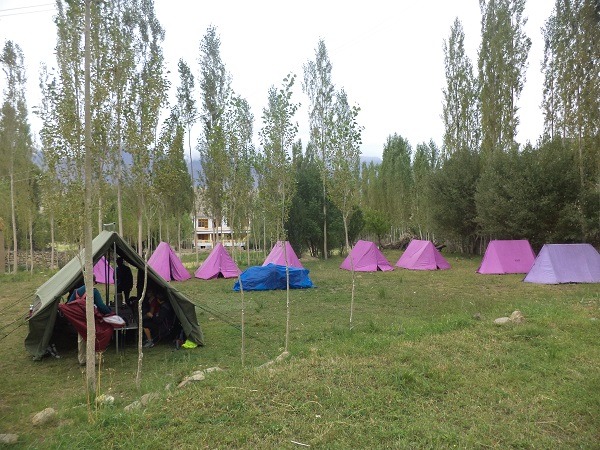
- Accommodation: village homestays and camping; no comfortable hotels.
- Permit: an Inner Line Permit is required for certain areas of Ladakh — check current requirements before departure.
- Accessibility for people with reduced mobility: not accessible — rough trekking terrain.
What you'll see there
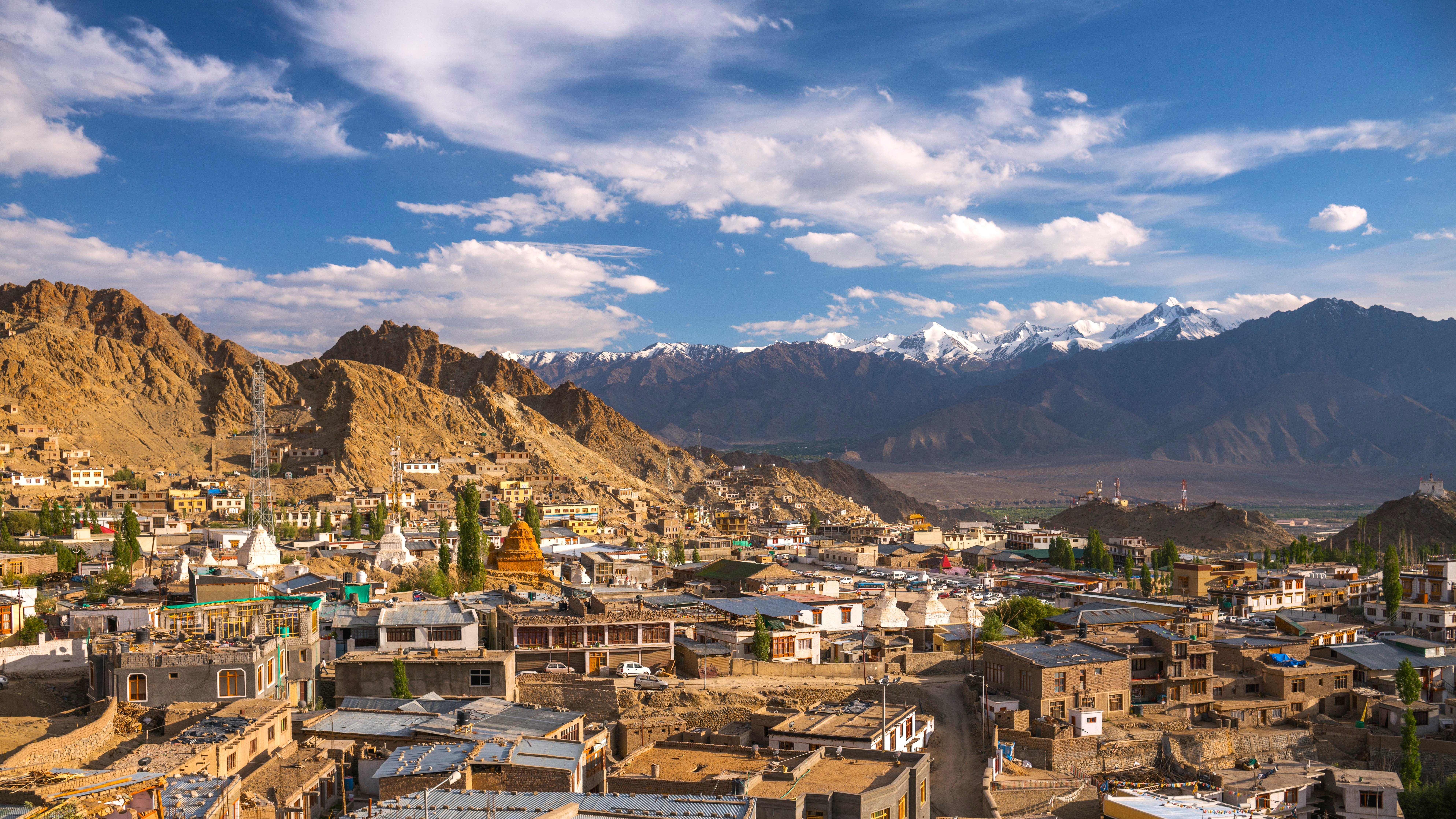
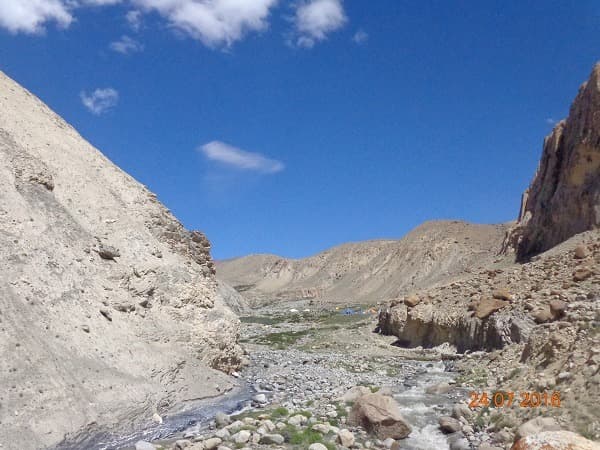
The village consists of a few dozen traditional Ladakhi adobe and dry stone houses. A small Buddhist monastery overlooks the dwellings. Terraced fields cultivated with barley and peas contrast with the ochre and grey cliffs that frame the valley. The Markha River, shallow at this point, runs alongside the village and shapes the daily rhythm of its inhabitants' lives.
History and context
The Markha Valley has been inhabited for centuries by Tibetan Buddhist communities. Skiu, like other villages in the valley, long lived in self-sufficiency, cut off from the rest of Ladakh for much of the year. The boom in trekking during the 1980s and 1990s gradually opened these villages to mountain tourism, without radically transforming their way of life.
Highlights of the visit
The Skiu monastery
A small Tibetan Buddhist gompa housing statues and thangkas. Access is generally free; a donation is welcome. The view over the valley from its grounds is unobstructed.
Crossing the Zanskar at Chilling
Before reaching Skiu, crossing the Zanskar River by rustic zip-line (or on a bridge depending on the season) is a memorable experience and the true threshold into the wild valley.
The terraced fields
In July-August, barley and pea crops lend an unexpected splash of green to the village amid Ladakh's mineral desert.
Etiquette and visiting rules
- Ask permission before photographing residents or the interiors of houses.
- Remove your shoes before entering the monastery.
- Walk around the mani walls (stones carved with mantras) in a clockwise direction.
- Respect the crops: do not cross the irrigated fields.
Photography tips
Morning light is ideal for photographing the white façades of the monastery and terraced fields. In the late afternoon, the ochre cliffs glow. Avoid using flash inside the gompa. Portraits always require prior consent.
Location and access
Skiu is located in the Markha Valley, approximately 70 km south-east of Leh by the Chilling road. The usual starting point is Chilling, accessible by jeep from Leh (via Nimmu road and then up the Zanskar). From Chilling, allow several hours of trekking to reach Skiu. No motorised transport serves the village. Trekking agencies in Leh organise complete expeditions with guides and pack horses.
In the surroundings
- Markha Valley — the complete trek passes through several villages and crosses the Kongmaru La pass (5,100 m).
- Hemis Monastery — Ladakh's largest monastery, accessible from Leh, a possible endpoint for the Markha trek.
- Leh — capital of Ladakh, essential logistical base before any trek in the region.
- Chilling — artisan village renowned for copper manufacturing, starting point of the trek.
Frequently asked questions
Certain areas of Ladakh require an Inner Line Permit. Requirements change regularly; check with a local agency in Leh before departure.
June to September. July-August offers the most stable conditions, but also the highest foot traffic. June and September are quieter.
Village homestays welcome trekkers. Camping is also possible. No comfortable accommodation is available on site.
The trek is marked, but a local guide or Leh-based agency is strongly recommended for logistics, high-altitude safety and respect for local communities.
Spend at least two nights in Leh (3,500 m) before starting the trek. Climb gradually and drink plenty of water.
Photos
Want to discover this destination?
Our local advisors design your tailor-made trip.