Manas National Park
Manas National Park
A UNESCO World Heritage Site in Assam, Manas National Park protects one-horned rhinoceros, tigers and exceptional birdlife on the Himalayan foothills, along the Manas River.
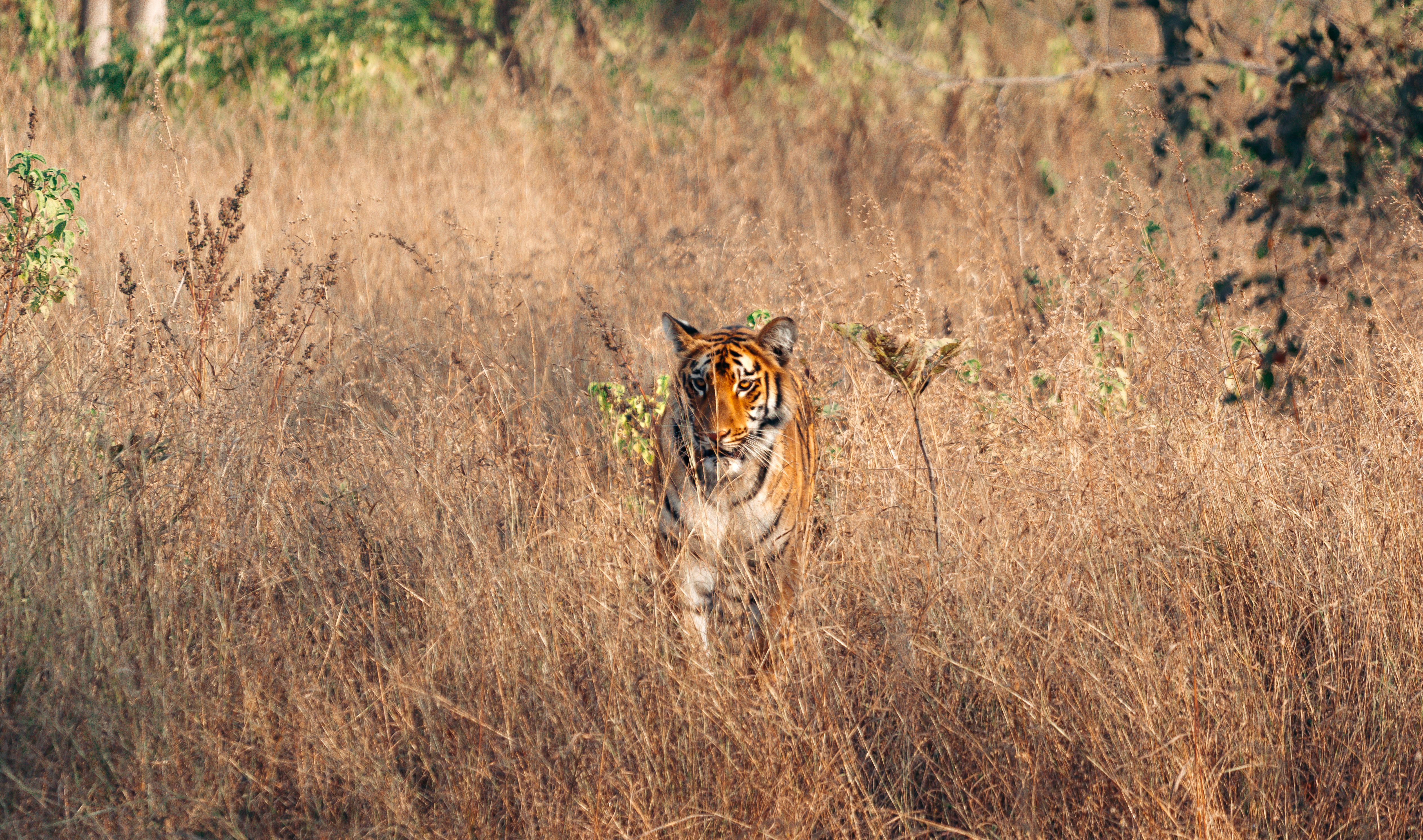
Manas National Park sprawls across the Himalayan foothills of Assam, bordering Bhutan. A UNESCO World Heritage Site and biosphere reserve, it protects one of South Asia's rarest wildlife populations: the one-horned rhinoceros, Bengal tiger, Asian elephant and the elusive swamp deer. The Manas River, with its crystalline waters flowing from Bhutan, cuts through the park and gives it both its name and character.
Quick reference guide
- Entry: Paid admission (separate rates for foreign and Indian visitors)
- Season: Generally open October to April; closed during monsoon (roughly May–September)
- Recommended duration: 2 to 3 days to explore different safari zones
- Access: Barpeta Road is the gateway town, connected by train to Guwahati (approximately 140 km away); shared or private jeeps reach the park entrance
- Clothing: Neutral colors (khaki, green, beige) recommended for safaris; avoid white and bright colors
- Rules: Movement only by authorized vehicle with accredited guide; exiting the vehicle prohibited in core zones
- Accessibility: Limited—safari tracks are unpaved
What you'll encounter
The park encompasses roughly 950 km² of evergreen forests, alluvial grasslands and wetlands. Vegetation transitions from tall plains grasses to dense sal and simul forests. The Manas River and its tributaries create exceptional wildlife corridors.
Among the flagship species:
- One-horned rhinoceros (Rhinoceros unicornis)—reintroduced following the 1990s conflicts
- Bengal tiger—population rising thanks to conservation efforts
- Asian elephant—present in large herds
- Swamp deer (Rucervus duvaucelii)—vulnerable species, visible in wetland grasslands
- Gaur (Indian bison), leopard, sloth bear, wild buffalo
- Birdlife: Over 450 species recorded, including the crested hornbill and sarus crane
History and context
Established as a forest reserve in 1928, Manas became a national park in 1990. UNESCO inscribed it as a World Heritage Site in 1985, then added it to the List of World Heritage in Danger in 1992 due to armed conflict linked to the Bodo separatist movement, which decimated wildlife and destroyed infrastructure. Extensive ecological restoration and species reintroduction work—notably of the rhinoceros—enabled its removal from the danger list in 2011. Today, Manas stands as one of Asia's most remarkable examples of post-conflict conservation recovery.
Highlights of your visit
Jeep safari in Bansbari zone
The western Bansbari zone offers the best chances of spotting rhinoceros and elephants in open grasslands. Early morning safaris at sunrise yield the most productive wildlife viewing.
Elephant safari (core zone)
Certain areas permit elephant-back safaris, allowing silent approach through tall grasses inaccessible to jeeps. Availability must be confirmed on-site depending on season.
The Manas River and its banks
The Manas riverbanks are prime viewing points for marsh crocodiles, Ganges dolphins and dense birdlife. The river also marks the border with Bhutan's Manas Royal Park, creating a unique transboundary corridor.
Birdwatching
With over 450 bird species, Manas ranks among the world's premier birdwatching destinations. Wetlands and forest edges concentrate most sightings, particularly in winter (November–February).
Photography tips
Golden light during the first two hours after sunrise is ideal for wildlife in grasslands. A telephoto lens (400 mm minimum) is essential for mammals. Riverbanks offer natural backgrounds for birds. Avoid flash in all circumstances—it's prohibited and disruptive.
Location and access
The park lies in Chirang and Baksa districts, Assam, roughly 140 km west of Guwahati. The nearest railway station is Barpeta Road on the Assam line. From there, private or shared vehicles reach park entrances (Bansbari, Mathanguri). Guwahati Airport (Lokpriya Gopinath Bordoloi) is the most convenient air gateway.
Guided visits are mandatory in core zones; accredited guides are available at park entrances. Independent walking access is not permitted.
In the vicinity
- Kaziranga National Park—approximately 200 km to the east, another one-horned rhinoceros sanctuary and UNESCO World Heritage Site.
- Guwahati—Assam's capital, the logistical hub, home to the Kamakhya Temple and the Brahmaputra riverfront.
- Pobitora Wildlife Sanctuary—a smaller rhino reserve closer to Guwahati, ideal as an extension.
Frequently asked questions
The dry season, October to April, is ideal. Vegetation is less dense, wildlife concentrates near water sources and tracks are passable. November to February also offers peak conditions for observing migratory birds.
Yes, this is a classic Assam itinerary. The parks are roughly 200 km apart. Plan a minimum of 2 nights at each for satisfactory wildlife viewing. Guwahati serves as a convenient base between the two.
Yes. Access to the core zone is strictly limited to vehicles accompanied by a guide accredited by forest authorities. Guides are available at the park's main entrances.
Choose neutral-colored clothing (khaki, green, beige, gray). Avoid white and bright colors that disturb wildlife. Bring a warm layer for early morning safaris, especially between November and February.
Photography for personal use is permitted. Flash is prohibited. For commercial or professional photography, specific authorization from park authorities is required.
Accommodation exists in Bansbari and Mathanguri, including lodges run by private operators and Assam Tourism facilities. Staying inside or on the park's edge allows you to join sunrise safaris without long transfers.
Photos
Want to discover this destination?
Our local advisors design your tailor-made trip.