Nashik
Nashik
A sacred city in Maharashtra set on the Godavari River, Nashik combines ritual ghats, Ramayana temples, the thousand-year-old Buddhist caves of Pandavleni and some of India's most active vineyards.
Nashik is a city in Maharashtra, approximately 170 km northeast of Mumbai, situated on the banks of the Godavari River. A sacred city of Hinduism, it hosts the Kumbh Mela every twelve years and attracts millions of pilgrims. It is also the heart of a thriving wine-producing region, making it a rare destination in India: spirituality and wine tourism coexist within the same territory.
Practical information at a glance
- Access: well-served railway station from Mumbai (approx. 3-4 hours) and Pune; Nashik airport (Ozar) with limited domestic flights.
- Recommended duration: 2 to 3 days to combine ghats, temples and vineyards.
- Dress code: clothing covering shoulders and knees for temples and ghats.
- Best time to visit: October to March, pleasant climate; avoid the monsoon (June-September) for outdoor activities.
What to see
Nashik reveals itself on multiple levels. The ghats of the Godavari — particularly the Ramkund — are the spiritual heart of the city: ritual baths, cremations and aarti ceremonies punctuate each day. The Panchavati neighbourhood concentrates temples linked to the Ramayana epic. Outside the city, the Pandavleni caves (2nd century BCE – 2nd century CE) offer 24 Buddhist caves carved into basalt. Finally, the Nashik-Igatpuri region is home to dozens of wine estates open for visits.
History and context
Nashik figures in the Ramayana as the place where Lakshman cut off Surpanakha's nose — hence its name ("nose" in Sanskrit). The city is one of four hosts of the Kumbh Mela, the world's largest human gathering, held here every twelve years on the banks of the Godavari. The Pandavleni caves bear witness to a flourishing Buddhist and Jain presence under the Satavahana and Kshatrapa dynasties.
Highlights of the visit
Ramkund and the Godavari ghats
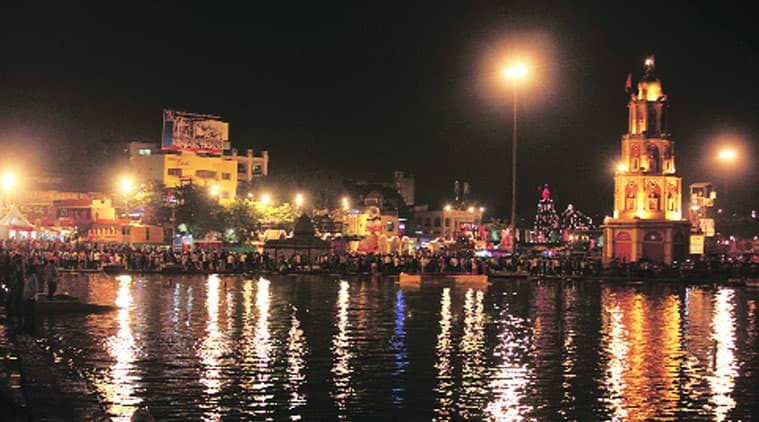
Ramkund is a sacred basin where Hindus come to scatter the ashes of the deceased. The atmosphere is intense, between devotion and everyday life. The evening aarti, with lamps and chanting, is a moment not to be missed.
Panchavati and the Kalarama temple
The Kalarama temple, built in black stone, is dedicated to Rama. It is associated with B. R. Ambedkar's movement, who led a march here for the access of untouchables in 1930. The Panchavati neighbourhood groups together several sanctuaries linked to Rama's exile.
Pandavleni caves
Carved into a basalt cliff on the outskirts of the city, these 24 Buddhist and Jain caves preserve sculptures, stupas and inscriptions in Pali. The climb offers a panorama of the Nashik plains.
Vineyards of the region
Nashik produces approximately 40% of India's grapes. Estates such as Sula Vineyards or York Winery offer cellar tours and tastings. The SulaFest festival in February attracts a national and international audience.
Etiquette and visiting rules
- Remove your shoes before entering any temple or sacred space.
- Dress modestly on the ghats and in temples.
- Ask permission before photographing people at prayer or funeral ceremonies.
- Some temples may restrict access to non-Hindus: ask at the entrance.
Photography tips
The golden morning light on the Ramkund is ideal for photographing ritual baths and reflections in the water. The Pandavleni caves are best lit in late morning. In the vineyards, sunset over the rows of vines offers beautiful perspectives. Avoid using flash in places of worship.
Location and access
Nashik is located in northern Maharashtra, approximately 170 km from Mumbai via National Highway NH3. Nashik Road station is the main railway hub, connected to Mumbai CST, Pune and other major cities. Express buses connect Mumbai in 3 to 4 hours. Ozar Airport serves a few domestic flights. In the city, auto-rickshaws and taxis are the common means of transport. The ghats, Panchavati and the central market are accessible on foot from the historic centre.
Around the area
- Trimbakeshwar — major Shiva temple, one of the twelve jyotirlingas, approximately 30 km from Nashik.
- Igatpuri — hill station in the Western Ghats, known for the Vipassana meditation centre of Dhamma Giri, approximately 40 km away.
- Shirdi — pilgrimage site dedicated to Sai Baba, approximately 80 km to the southeast.
- Sula Vineyards — pioneering wine estate in the region, a few kilometres from the city centre.
Frequently asked questions
From October to March, the climate is dry and pleasant. The monsoon (June-September) makes some sites difficult to access but greens up the wine-growing countryside.
Some estates accept walk-ins, others require prior booking. It is advisable to contact your chosen estate before travelling.
Most temples in Nashik are open to all, but some inner sanctums may be reserved for Hindus. Check at the entrance and respect the posted signs.
Trimbakeshwar is approximately 30 km from Nashik. Half a day is enough for a round trip by taxi or local bus, allowing you to combine both sites in a single day.
The Kumbh Mela (locally called Simhastha) is held every twelve years on the Godavari ghats. It brings together tens of millions of pilgrims for ritual bathing considered to be purifying.
Allow one to two hours to explore the caves and enjoy the panorama from the cliff. The climb is moderate and accessible to most visitors.
Photos
Want to discover this destination?
Our local advisors design your tailor-made trip.