McLeod Ganj
McLeod Ganj
Perched above Dharamsala, McLeod Ganj is the heart of the Tibetan diaspora in India. Buddhist monasteries, the Tibet Museum, Himalayan hikes, and Tibetan crafts make it a unique cultural and natural stopover.
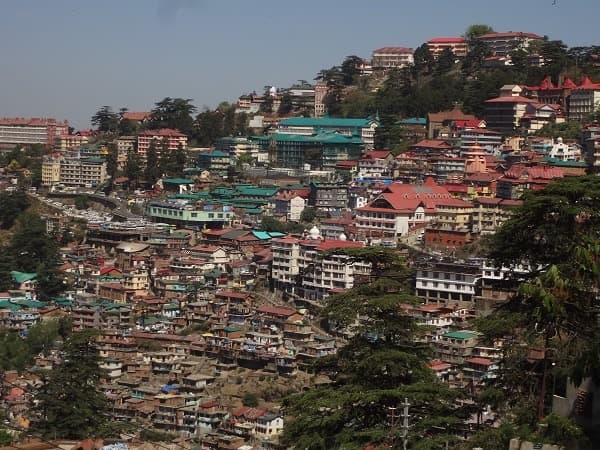
McLeod Ganj is a mountain neighborhood perched above Dharamsala, in Himachal Pradesh. Home to the Tibetan government in exile since 1960, it shelters the Dalai Lama and a dense Tibetan community. Buddhist monasteries, Himalayan cafés, craft markets, and forest trails coexist in a landscape of Himalayan foothills. It's one of the rare places in India where Tibetan culture thrives fully, beyond Tibet itself.
Quick facts at a glance
- Access: buses from Delhi (approximately 12 hours) or Chandigarh; Gaggal Airport (Kangra) about 15 km away, taxis available.
- Altitude: approximately 1,457 m — bring warm clothing even in summer.
- Recommended duration: 2 to 4 days to combine monasteries, hikes, and the Tibetan quarter.
- Dress code: covered clothing recommended in monasteries (shoulders and knees covered).
- Best season: March–June and September–November; monsoons (July–August) make trails slippery.
What to see
The heart of McLeod Ganj revolves around the Tsuglagkhang Temple, the official residence of the Dalai Lama. The adjacent Namgyal Monastery is one of the largest Tibetan monasteries outside Tibet. The Tibetan Museum documents the history of Tibet's occupation and exile. The main market offers thangkas, singing bowls, wool clothing, and Buddhist books.
History and context
McLeod Ganj takes its name from David McLeod, lieutenant-governor of Punjab under the British Empire, who made it a hill station in the 19th century. After the Chinese invasion of Tibet in 1950 and the Dalai Lama's flight in 1959, the Indian government welcomed the Tibetan government in exile to Dharamsala. McLeod Ganj quickly became the center of this diaspora, earning the nickname "Little Lhasa."
Highlights of your visit
Tsuglagkhang Complex
This complex groups the main temple, the Dalai Lama's residence, and Namgyal Monastery. Monks practice philosophical debates visible from the courtyard. Entry is free; closing times vary according to ceremonies.
Tibetan Museum
The museum traces Tibet's history since 1950 through photographs and documents. The visit is understated and factual, without excessive staging. Entry is free or at modest cost depending on the period.
Bhagsu Nag and the waterfall
About 2 km from the center, the village of Bhagsu has a Hindu temple dedicated to Shiva and a waterfall accessible on foot. The trail passes roadside cafés frequented by long-term travelers.
Trek to Triund
The trek to Triund Pass (approximately 2,850 m) offers sweeping views of the Dhauladhar range. Allow 3 to 4 hours climbing from McLeod Ganj. Camping is possible with permission.
Etiquette and visiting rules
- Remove your shoes before entering temples and monasteries.
- Circle stupas and prayer wheels clockwise.
- Do not photograph monks or ceremonies without explicit permission.
- Keep silent in prayer halls; debates in the courtyard are public but remain discreet.
- Dress in covered clothing within places of worship.
Photography tips
Morning light is ideal on the Tsuglagkhang and prayer flags. The roofs of Namgyal Monastery offer framing with snow-capped peaks in the background on clear days. Avoid flashes inside temples. For Triund, leave early: clouds often cover the ridges by late morning.
Location and access
McLeod Ganj sits about 10 km north of Dharamsala, connected by road. Taxis and local buses run regularly between the two. Gaggal Airport serves Dharamsala from Delhi and Mumbai. McLeod Ganj's center is compact and walkable on foot, though steep alleys may be challenging for those with reduced mobility.
Nearby attractions
- Dharamsala — the lower town, with its cricket stadium and bustling markets, about 10 km away.
- Bhagsu Nag — Hindu temple and waterfall, 2 km on foot from the center.
- Triund — mountain pass with views of the Dhauladhar, accessible by trek from McLeod Ganj.
- Norbulingka Institute — center for preservation of Tibetan arts, about 6 km toward Dharamsala.
- Kangra Fort — medieval fortress among the Himalayas' largest, about 20 km away.
Frequently asked questions
March to June and September to November offer stable weather and clear mountain views. The monsoon (July–August) makes trails muddy and landslides frequent. Winter (December–February) is cold but quiet, sometimes with snow.
Public teachings by the Dalai Lama are announced on the official Tibet Office website. Prior registration is generally required for foreigners. These events draw large crowds; plan to register several weeks in advance.
Yes, the trail is well marked and requires no technical equipment. Good fitness is sufficient. Start early in the morning to avoid clouds and bring water and warm clothing, even in summer.
Covered shoulders and knees are required. Remove your shoes at temple entrances. A light shawl or sarong in your bag suffices if you wear shorts.
Yes. The Norbulingka Institute and Kangra Fort can be visited in half a day from McLeod Ganj. Dharamsala is minutes away by taxi. A 3 to 4-day stay covers the essentials.
Photography is generally prohibited inside prayer halls. In courtyards and outdoor spaces, it is tolerated but always ask permission before photographing monks or ceremonies.
Photos
Want to discover this destination?
Our local advisors design your tailor-made trip.