Larji
Larji
Larji marks the confluence of the Beas and Sainj rivers in Himachal Pradesh. A waypoint on the Mandi–Kullu route, it serves above all as the entry point to Tirthan Valley and Great Himalayan National Park.
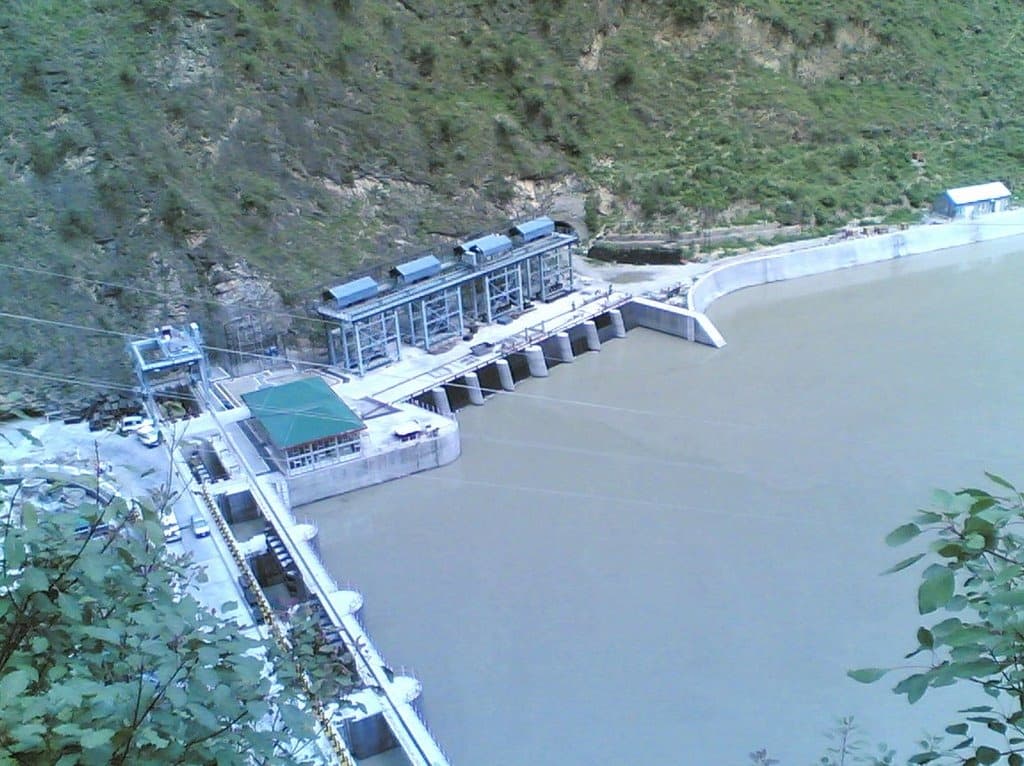
Larji is a small township in Kullu Valley, Himachal Pradesh, situated at the confluence of the Beas and Sainj rivers. This junction marks the entrance to Tirthan Valley and forms a natural stopover on the road linking Mandi to Kullu. The site is primarily known for its hydroelectric dam and as the gateway to Great Himalayan National Park.
Practical Information at a Glance
- Access: on NH-3 (Mandi–Manali), approximately 25 km north of Mandi and 55 km south of Kullu.
- Transport: regular buses between Mandi and Kullu stop at Larji; shared jeeps depart from here for Tirthan Valley.
- Recommended duration: transit stop or half-day visit for trout fishing enthusiasts.
What to See
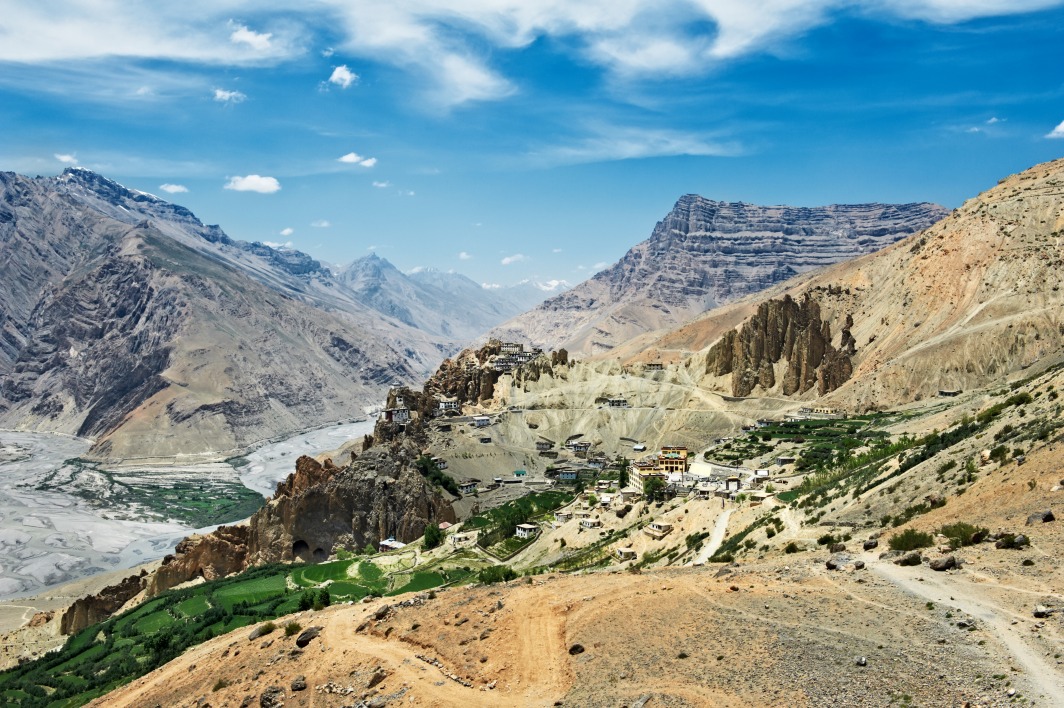
The Beas-Sainj confluence presents a dramatic gorge landscape typical of the Himalayan foothills. The Larji Dam, a run-of-river power station, is visible from the road. The Sainj River, which rises toward Banjar and Gushaini, is renowned for brown trout fishing. The hillsides are framed by forests of pine and Himalayan cedar.
History and Context
Larji owes its recent significance to the hydroelectric power station built on the Beas, commissioned in the 2000s. Before that, the township was simply a passage point on the caravan route connecting Kullu's interior valleys to the rest of Himachal Pradesh. The Sainj Valley, which opens here, was inhabited by pastoral communities practicing transhumance to alpine meadows.
Highlights of Your Visit
Beas-Sainj Confluence
The meeting of the two rivers, their waters slightly different in color depending on the season, is the main visual point of interest. During monsoon (July–August), the water flow is impressive; in autumn, the waters run clear.
Trout Fishing
The Sainj is a waterway designated for brown trout sport fishing. A permit issued by the Himachal Pradesh Fisheries Department is mandatory. The season typically runs from March to June and September to November.
Gateway to Tirthan Valley
Larji is the junction point toward Banjar and Gushaini, trekking bases for Great Himalayan National Park (UNESCO World Heritage). Travelers often stop here to change vehicles or refuel before venturing into the valley.
Photography Tips
Morning light illuminates the gorges from the east; this is the best time to photograph the confluence. In autumn, the golden foliage of poplars along the Sainj adds color. Avoid the monsoon season for clear views.
Location and Access
Larji lies on NH-3, the main axis of Kullu Valley. The nearest town with full services is Mandi to the south. To reach Tirthan Valley, shared jeeps depart from Larji to Banjar and Gushaini. Accessibility for people with reduced mobility is limited: while the main road is paved, the confluence area requires walking on uneven terrain.
Nearby Attractions
- Great Himalayan National Park — UNESCO World Heritage site accessible from Gushaini, heading up Tirthan Valley.
- Banjar — township in Sainj Valley, services and lodging hub for trekkers.
- Mandi — historic town with Shaivite temples and vibrant market, approximately 25 km south.
- Kullu — valley capital, known for Dussehra festival and wool craftsmanship.
Frequently asked questions
For most travelers, Larji is a transit stop toward Tirthan Valley. Trout fishing enthusiasts or those interested in river landscape photography can spend half a day here.
March–June and September–November offer the best conditions: clear roads, navigable rivers for fishing, bright skies. Monsoon (July–August) can trigger landslides on NH-3.
Permits are issued by the Himachal Pradesh Fisheries Department. Inquire at local offices in Banjar or Kullu before arriving at Larji.
Accommodation options in Larji itself are very limited. It is better to stay in Banjar or Gushaini in Tirthan Valley, or in Mandi for greater comfort.
Yes. Larji is the natural gateway: from the confluence, follow Sainj Valley up toward Gushaini, the main base for hikes into the park (UNESCO World Heritage).
Photos
Want to discover this destination?
Our local advisors design your tailor-made trip.